
Seeking a Middle Path in the Dragon's Habitat
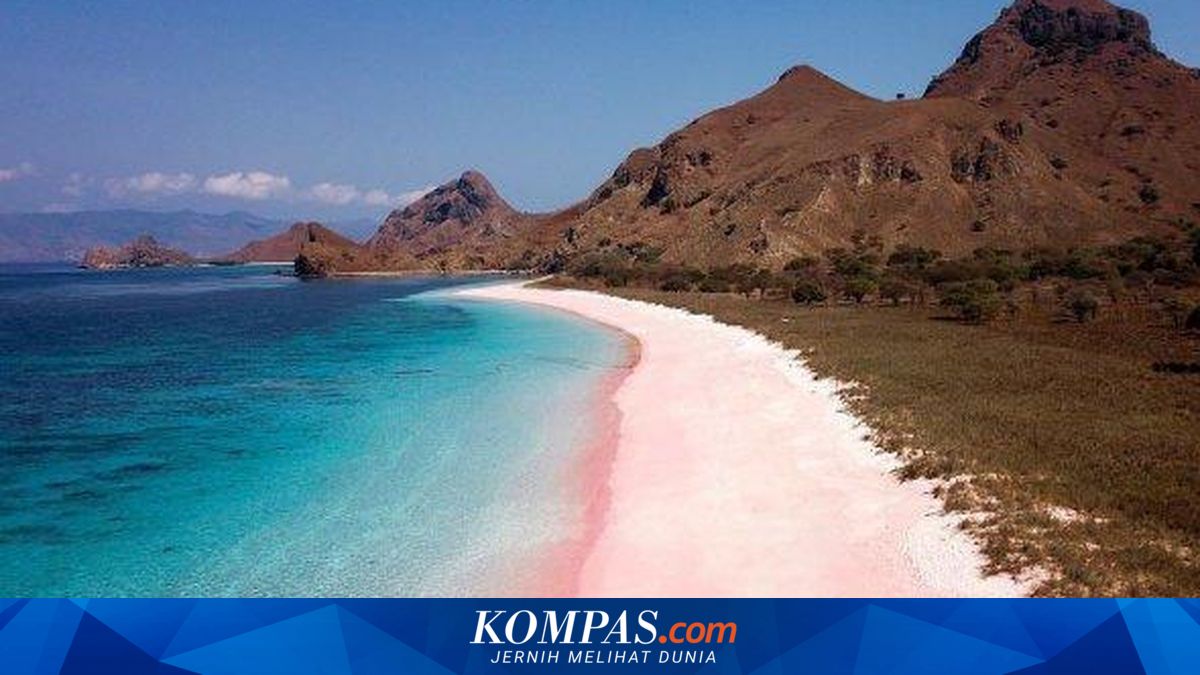
Limiting the number of tourists visiting a natural destination with high Outstanding Universal Value (OUV), or a cultural site with particular uniqueness, is not an unusual measure. Such policies have long been implemented in Indonesia, as national parks are not for mass tourism, and the development of conservation areas differs from other tourist destinations. Since 2022, the Gunung Rinjani National Park Authority (BTNGR) has applied a policy limiting the number of climbers to a maximum of 700 people per day. This quota has undergone various adjustments in the past. Restrictions are also in place for ascending the structure of Borobudur Temple, with a maximum quota of 1,200 people per day starting in 2023. This regulation requires the use of special sandals (Upanat) and accompaniment by a guide. In Thailand, we are familiar with the iconic Maya Bay on Koh Phi Phi Leh Island, renowned for its rich coral reefs and marine ecosystem. The first slot is at 7 a.m., and each slot must not exceed 375 people. In his recent explanation to Commission IV of the Indonesian House of Representatives, Forestry Minister Raja Juli Antoni stated that the government has decided to limit the number of tourists wishing to visit Komodo Island to 365,000 people per year or 1,000 people per day. There are three tourist destinations on Komodo Island with visitor restrictions: Rinca Island, Padar Island, and Komodo Island, including 23 diving locations around the islands. It is said that there are three sessions for tourists each day. The first session is from 5:00 to 8:00 a.m., Session II from 8:00 to 11:00 a.m., and Session III from 3:00 to 6:00 p.m. Some say that 1,000 people per day is already a large number, but others question how that figure was calculated. Why not 2,000 people per day, for example, or why not just 500? There must have been prior studies on the carrying capacity for tourism, though the islands cannot be treated uniformly as they have different land areas and utilisation zones. However, if the figure of 365,000 per year is consistent, it is highly likely that many tourists will not have the opportunity to visit the Komodo National Park area. In 2025, there were 429,509 visitors to the area, both domestic and international tourists. If we assume the number of visits remains the same for 2026, then 64,509 tourists would be unable to enter Rinca Island, Padar Island, and Komodo Island.