
Securing Rp189 trillion in commitments, Kendal KEK becomes an anchor for Central Java investment
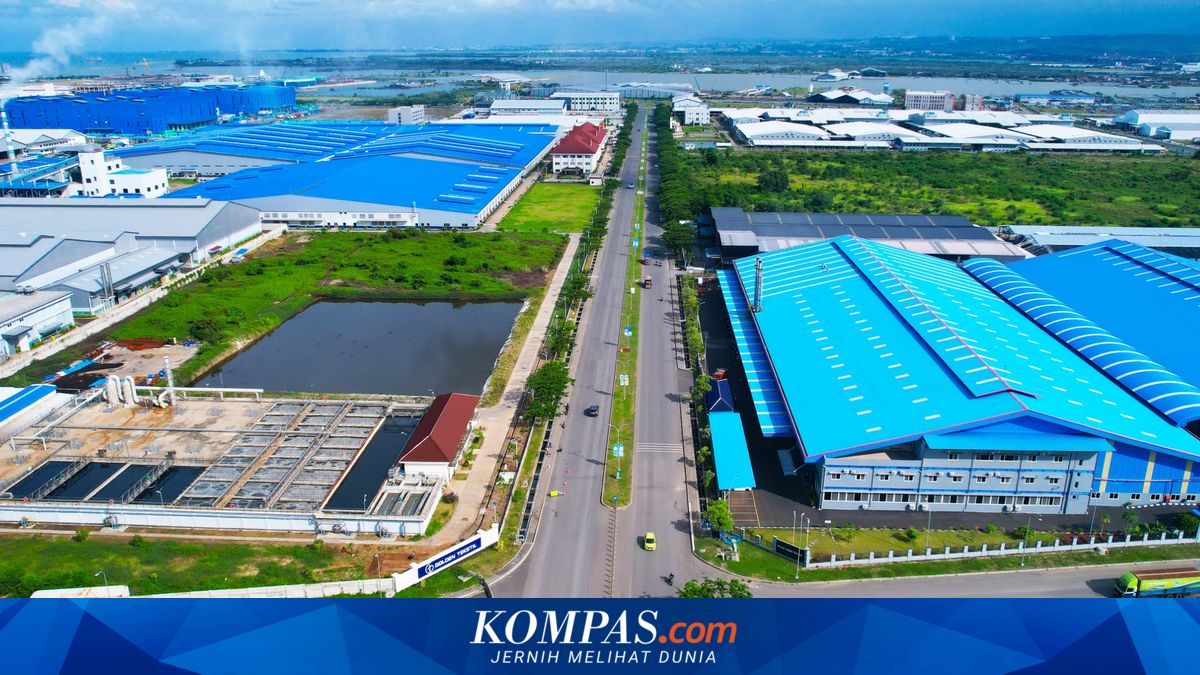
Investment in Central Java in the first quarter of 2026 reached Rp 23.02 trillion, underscoring a shift in the national manufacturing map toward the northern coastal corridor. With year-on-year growth of 5.35 percent, the region has maintained a rising trend since 2021. Kendal Regency supported this performance with investments valued at Rp 3.61 trillion in the first three months of the year, replicating its achievement as the area with the highest investment realisation in Central Java in 2024.
The expansion this aims to increase industrial capacity and strengthen the increasingly dense supply-chain ecosystem. The economic ties between Indonesia and Singapore in recent years have relied on the efficiency of integrated zone management. The bilateral meeting between Singapore’s Foreign Minister Vivian Balakrishnan and Indonesia’s Foreign Minister Sugiono placed Kendal KEK as an exemplar of cooperation that provides operational certainty and competitiveness for global corporations. By Q1 2026, the area recorded 139 business players with cumulative investment commitments reaching Rp 189.16 trillion. Executive Director of Kendal KEK, Juliani Kusumaningrum, explained that the growth in investment volume runs in tandem with the obligation to raise the zone’s operational standards. She explained that Kendal KEK was built with a long-term vision to become a centre of growth for modern industries with global competitiveness. “Investor confidence continues to rise, and it is our responsibility to maintain the quality of the zone, strengthen the industrial ecosystem, and ensure that investment growth is accompanied by job creation and economic benefits for the community,” Juliani said in Jakarta on Monday, 18 May 2026.
The investment appeal of Kendal KEK lies in bureaucratic efficiency and the provision of integrated utilities. As the zone enters land expansion phase, challenges shift to energy supply readiness and smooth logistics flow. Industries with precision technologies such as electronics manufacturing and renewable energy components require reliable power supply and uninterrupted clean water. Upgrading basic infrastructure and removing logistical bottlenecks must run in parallel with new land release. Delays in utility provision risk reducing the zone’s efficiency, potentially affecting future expansion decisions by global players.