
Secrets of Hallucinations in Ancient Greek Mystery Cult: Toxic Fungus as Sacred Potion?
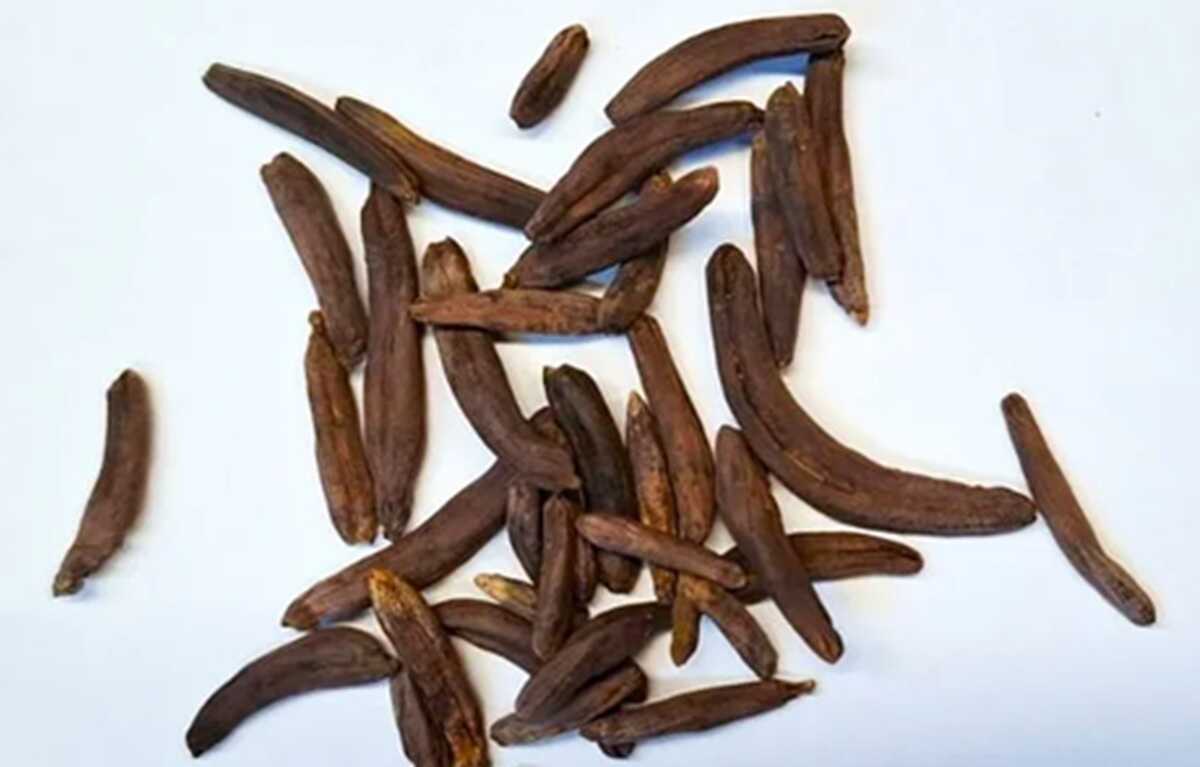
For thousands of years, the religious centre of Eleusis in ancient Greece held a great secret about the ritual of the “Eleusinian Mysteries”. Initiates who participated in the worship of the goddesses Demeter and Persephone reportedly experienced remarkable spiritual visions. Now, a new study suggests that these mystical experiences were likely triggered by processing toxic ergot fungus into a psychedelic beverage.
Research published in the journal Scientific Reports on 13 February conducted laboratory experiments to determine whether ergot fungus (Claviceps purpurea) could be rendered non-toxic whilst retaining its hallucinogenic properties using ancient technology.
The theory that the Eleusis cult used psychedelic substances derived from ergot, known as the “Psychedelic Eleusis” theory, became popular in the 1970s. However, this study is the first to provide experimental evidence through methods available 3,000 years ago.
“The main question is whether toxic ergot could realistically be processed into something psychoactive yet non-lethal using methods available in ancient times,” said Evangelos Dadiotis, a pharmaceutical scientist from the University of Athens, to Live Science.
The research team used simple alkaline solutions made from a mixture of water and wood ash—technology well known in the ancient world. This solution proved capable of breaking down toxic proteins in ergot fungus whilst preserving the hallucinogenic compound lysergic acid amide (LSA). For reference, LSA is a chemical cousin of LSD, though considerably less potent.
The Eleusis cult was one of the most revered religious initiations, even followed by Roman emperors such as Augustus. Its annual ritual involved sacred processions, ritual bathing in the sea, animal sacrifice, and fasting for several days. The culmination involved participants drinking a mysterious potion called kykeon, made from barley and spices.
Dadiotis and his colleagues suspect that processed ergot extract was added to the kykeon. The use of mint (pulegium) in the potion was likely intended to mask the bitter taste of the fungal extract. This theory is strengthened by the discovery of traces of psychoactive chemicals on ceremonial vessels and dental plaques of individuals at the Eleusis site in Spain in 2002.
Although the research results are technically accurate, some experts caution against hasty conclusions. Sharday Mosurinjohn, a religious studies expert from Queens University, stated that chemical feasibility is not historical proof.
“What this study demonstrates is chemical feasibility within the context of plausible ancient technology,” said Mosurinjohn. However, he added that the study has not proven that such processing was actually performed in antiquity or that initiates truly consumed psychoactive doses during the rituals.
To this day, the debate over whether the spiritual experience at Eleusis stemmed purely from religious devotion or was aided by chemical substances remains a “mystery” befitting its name.