
Secret of New Technology: Forestry Minister Protects Settlements from Elephant Rages
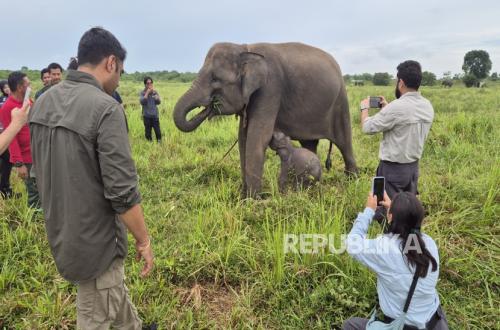
Forestry Minister Raja Juli Antoni has designated Way Kambas National Park (TNWK) as the first pilot project for the implementation of innovative climate financing in Indonesia. According to him, the management of national parks can no longer fully depend on the limited state budget (APBN) and international NGO assistance. A blended finance model is needed, involving the private sector and green capital markets, to make it more sustainable while empowering surrounding communities. “Minister of Forestry Regulation Number 27 of 2025 has been issued to enable voluntary carbon market projects in national parks,” said Raja Juli Antoni in East Lampung on Thursday (26/3/2026). Way Kambas was chosen because it is an important habitat for critical species such as the Sumatran elephant, Sumatran rhino, and Sumatran tiger. Through this scheme, companies can purchase carbon credits from conservation and forest restoration efforts. Fifty percent of the profits from carbon trading will be returned directly to buffer village communities. The project also encompasses biodiversity bonds, international carbon credits, and the development of conservation tourism (ecotourism). Raja Juli emphasised that this approach marks a shift from conventional funding models to blended financing that still preserves forests and wildlife. Meanwhile, the government is also beginning to realise the construction of a barrier fence spanning 138 kilometres in Way Kambas National Park. This construction is a direct mandate from President Prabowo Subianto through the Presidential Assistance Fund (Banpres) to address human-wildlife conflicts that have been ongoing since 1983. Raja Juli Antoni targets the completion of the fence construction within four months. “This is not to separate wildlife from the community, but so that both can live side by side harmoniously,” he said. The fence construction is expected to prevent damage to community agricultural land and avoid fatalities from conflicts with elephants. The fence design will adopt local Lampung culture to ensure sustainability and avoid creating new problems.