
Second Len GCI Radar Officially Begins Strengthening Indonesian Air Surveillance
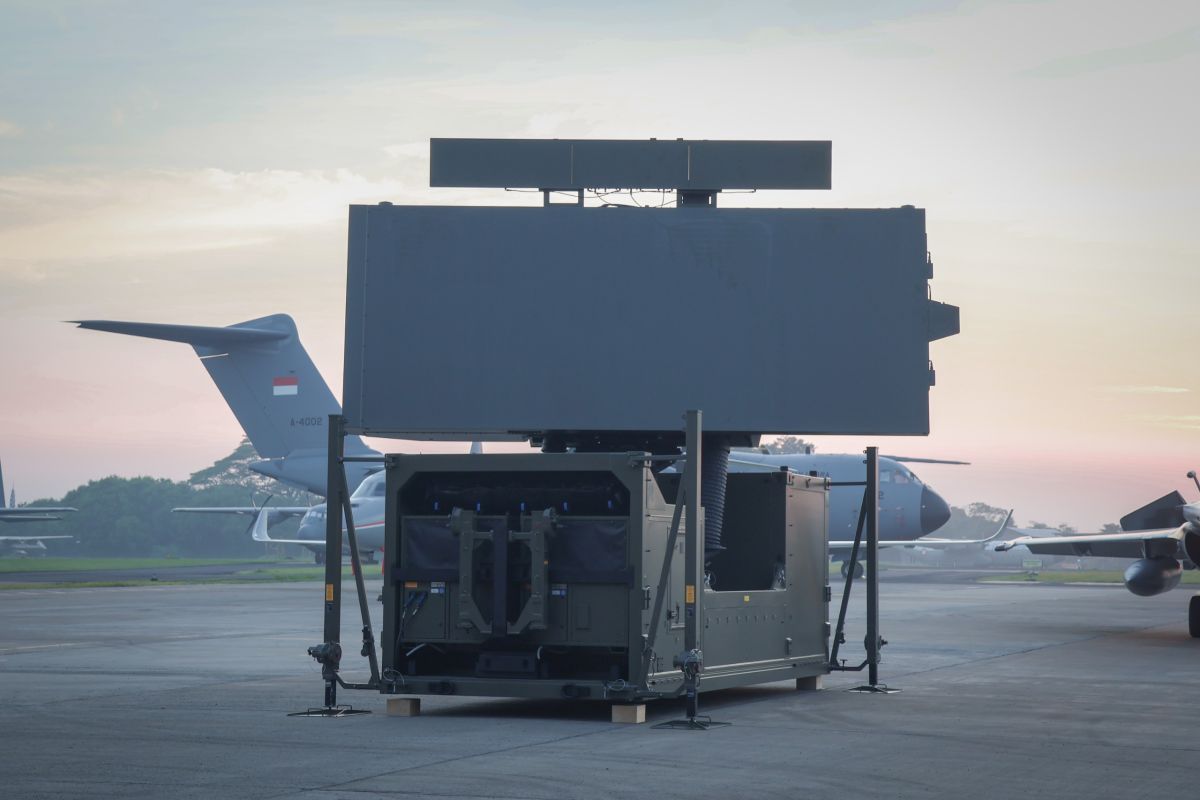
Bandung (ANTARA) - The Ground Control Intercept (GCI) radar, manufactured by PT Len Industri Bandung, which is the second of 13 radars prepared by the government, officially commenced operations to strengthen Indonesian air surveillance on Monday. This was confirmed during the handover of the GCI radar as part of the national strategic defence equipment (alutsista) delivery by the Ministry of Defence to the TNI at the Apron Pandawa, Halim Perdanakusuma Air Force Base, Jakarta, witnessed directly by President Prabowo Subianto.
In an official statement received in Bandung, Prabowo emphasised that this addition of defence equipment is a strategic move to strengthen national defence capabilities as a national deterrent. “We want to ensure that the security of Indonesia’s airspace, sea, and land remains well-maintained. A strong defence is a primary requirement for maintaining the stability and sovereignty of the nation,” said Prabowo.
The GCI radar, which is projected to strengthen the national air surveillance system through early detection and integrated interception control, was handed over directly by the President Director of PT Len Industri, Joga Dharma Setiawan, accompanied by the Director of Business & Cooperation, Irwan Ibrahim.
“This GCI radar not only strengthens national airspace surveillance capabilities but also demonstrates the domestic industry’s ability to master strategic defence technology. We are committed to continuously supporting the interoperability of the national defence system through the development of reliable and sustainable technology,” said Joga.
In addition to the strengthening of the radar system, the procurement of Rafale fighter jets also provides an enhancement to Len’s capabilities in communication interoperability and data links through the Rafale offset training programme. Previously, Len’s Link ID capabilities were focused on communication between warships and surveillance aircraft. Moving forward, these capabilities will be developed to support data link communications between fighter jets, thereby strengthening the overall integration of the national air defence system.