
Second-Hand Clothing from the US Set to Flood Indonesia; Small-Scale Textile Manufacturers Express Concern
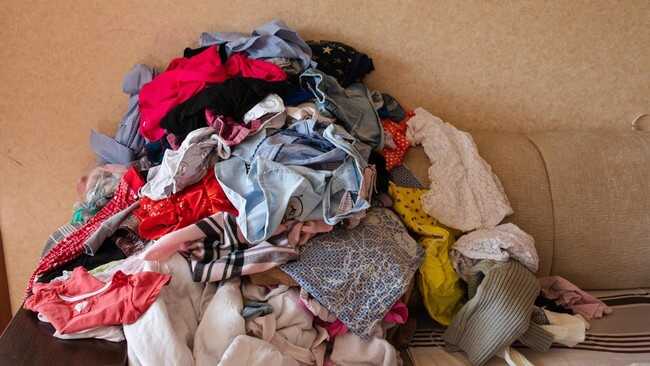
Jakarta — Textile and textile product (TPT) industry entrepreneurs have rejected the government’s plan to open the door to imports of second-hand clothing. This follows the signing of the Agreement on Reciprocal Trade (ART) between Indonesia and the United States on Friday, 20 February 2026.
According to the ART agreement text released on The White House official website, Article 2.8 contains provisions regarding worn clothing. The agreement states: “Indonesia will permit the import of shredded used apparel from the United States to further promote trade and circularity in the highly advanced American used apparel recycling industry.”
“We actually demand that existing illegal second-hand clothing import practices be completely eliminated, rather than opening imports further,” said Nandi Herdiaman, Chairman of the Indonesian Garment Entrepreneurs Association (IPKB), in a statement on Wednesday (25/2/2026).
“Because even though they claim that only shredded material enters, what guarantee is there that worn clothing won’t enter? Especially when it comes through bonded zones that are already known as a common route for smuggled goods,” he said.
Nandi referenced the government’s previous firm enforcement against second-hand clothing imports. He noted that this policy had provided relief to the domestic TPT industry, with demand beginning to grow, particularly for small and medium enterprises (SMEs).
“Demand is starting to emerge, but not completely because some major importers haven’t been prosecuted,” he added.
The government, he argued, should consider the fate of SMEs that also employ millions of people.
Worn Clothing versus Rags
Taking a somewhat different stance, Rudiansyah, Chairman of the Indonesian Textile Consumer Foundation (YKTI), said the foundation would support imports if what enters is shredded material to be recycled into garment raw materials.
He cautioned authorities not to take this lightly, warning that once the door is opened for second-hand clothing, it will be difficult to close. “As an organisation concerned with consumer protection, we certainly do not want the market to be flooded with second-hand clothing, considering various risks and attendant consequences,” Rudiansyah stated.
“The practice of importing second-hand clothing for more than 15 years could not be addressed by the government despite regulatory bans,” he added.
Rudiansyah highlighted concerns about the terminology used in the ART article. “They refer to it as worn clothing. According to the definition from the World Customs Organization (WCO), adopted by the Indonesian Customs Tariff Book (BTKI), worn clothing falls under HS code 6309, while in shredded form it is called rags, classified under HS code 6310,” he explained.
“If what is imported is worn clothing, then it is clearly second-hand apparel,” Rudiansyah concluded.