
Seba: The Footsteps of the Inner Baduy in Preserving Tradition
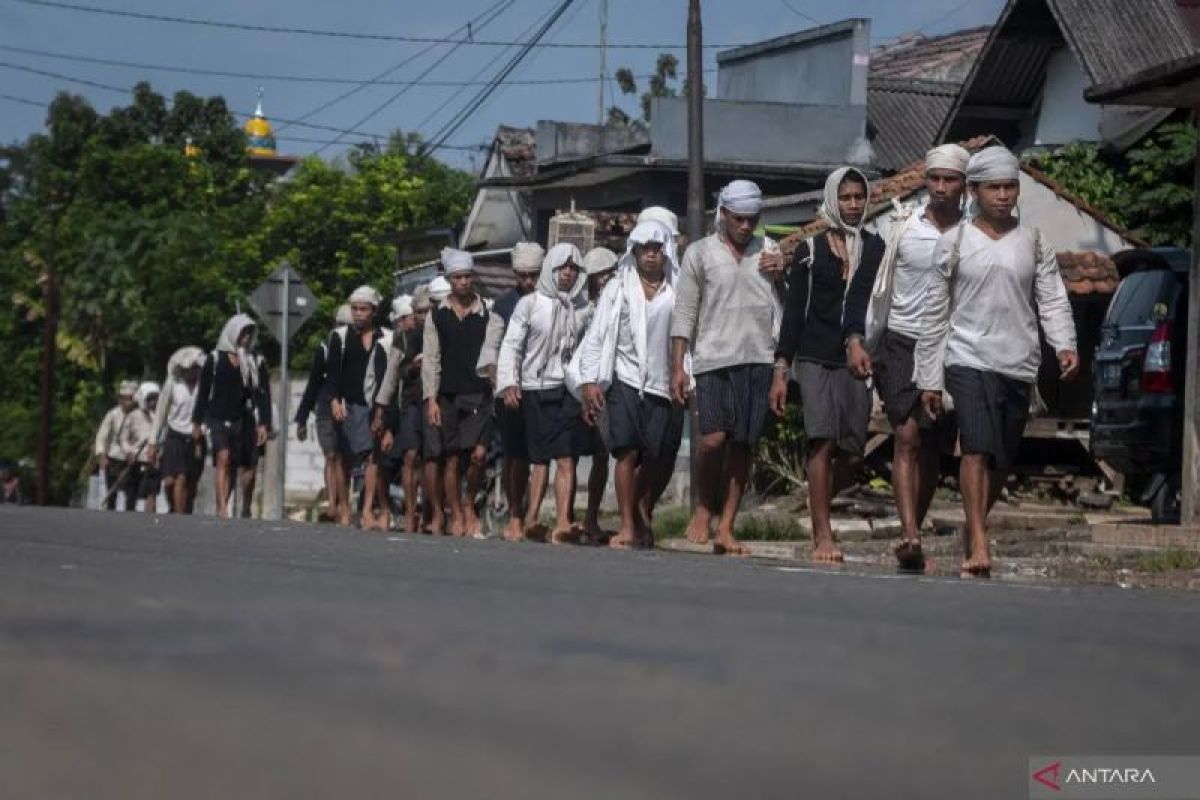
In the long strides towards Seba, there lies a commitment to nurturing traditions, protecting nature, and maintaining the balance that forms the foundation of their lives. Lebak (ANTARA) - Around 03:00 WIB, when most people are still asleep, dozens of Inner Baduy residents walk in a line, piercing through the darkness of the forest in the Mount Kendeng area, Lebak Regency, Banten. Without lighting, they traverse narrow paths on steep hillsides, routes that often harbour risks, from slippery terrain to threats from venomous snakes. This journey is not an extraordinary event for them. Inner Baduy residents are accustomed to walking everywhere, without vehicles. However, this particular journey has a special purpose: to participate in the Seba tradition, an annual ritual that is an important part of the life cycle of the Baduy indigenous community. From core villages such as Cibeo, Cikawartana, and Cikeusik in Kanekes Village, they undertake a long journey to Rangkasbitung, then continue to Serang City. The total round-trip distance covered is around 200 kilometres. All of it is done on foot, in accordance with the customs they still firmly uphold. Along the journey, they rest as needed. Simple provisions in the form of rice, tubers, and field produce serve as their source of energy. Although exhausting, this journey is undertaken with full awareness that Seba is not merely an annual agenda, but a sacred customary obligation. “We walk on foot to attend Seba after observing Kawalu (the annual Baduy tribe’s fasting and thanksgiving ritual) for three months. This is already a rule from our ancestors,” said Rahman (50), an Inner Baduy resident, when met in Lebak on Saturday (25/4). In the Seba tradition, the Baduy community visits the local government as a form of maintaining relations while also conveying customary messages. They refer to the regional head as “Bapak Gede.” In addition, they hand over agricultural products such as dry-field rice, tubers, fruits, and laksa as symbols of respect. The requests they convey are simple: guarantees of a safe, peaceful, and protected life.