
Scientists Turn Plastic Waste into Vinegar with the Help of Sunlight
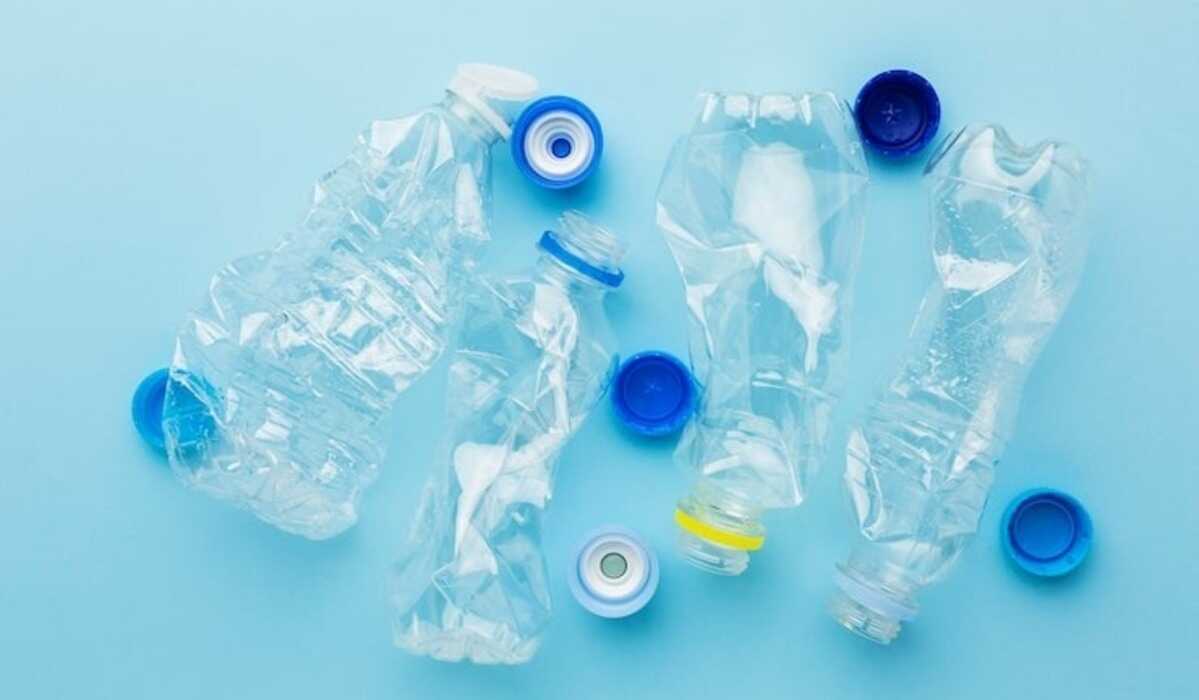
The problem of plastic waste continues to be a global challenge. Since the 1950s, plastic production has increased dramatically, and most of this material takes up to 250–500 years to decompose naturally. As a result, plastic waste accumulates on land, pollutes the oceans, and even enters the human food chain in the form of microplastics.
Now, a glimmer of hope comes from a team of researchers at the University of Waterloo, Canada. In a study published in the journal Advanced Energy Materials, scientists have successfully developed a method to convert plastic waste into acetic acid, which is the main ingredient in vinegar. The scientists utilized sunlight and a special catalyst in this discovery.
The system developed is inspired by the natural process in fungi that can decompose hard materials such as wood using enzymes. Researchers then designed a system called cascade photocatalysis, where one reaction triggers the next reaction in sequence.
In the first stage, the plastic is broken down into smaller molecules. Next, these molecules are converted into acetic acid. The entire process takes place in a single system at normal temperature and pressure, without the need for strong acids or extreme conditions.
The main catalyst used is a material called Fe@C3N4 SAC. This material contains single iron atoms evenly distributed on the surface of carbon nitride. Although the iron content is only about 0.5 percent of the total weight, each atom acts as a highly efficient active reaction center.
When exposed to sunlight, the catalyst activates hydrogen peroxide added to the system. This process produces highly reactive hydroxyl radicals that can break the long chains of plastic.
In the decomposition process, the plastic first turns into carbon dioxide as an intermediate stage. Subsequently, the carbon dioxide is converted back into acetic acid by the same catalyst. Interestingly, this method does not add carbon dioxide emissions to the atmosphere because it utilizes sunlight as the main source of energy.
Research shows that this system works on common plastics such as PET (widely used for drinking bottles), PE and PP (commonly found in packaging), and PVC, which is commonly used in pipes and building materials.
PVC even shows high efficiency. Researchers suspect that the chlorine released from PVC helps accelerate the decomposition process through the formation of reactive radicals.
Another advantage of this system is its ability to process mixed plastics. In a test on a mixture of PET, PE, and PP, the system was still able to produce acetic acid stably.
In terms of cost, hydrogen peroxide is still the most expensive component in this process. Commercially, this technology still faces challenges. However, considering its environmental benefits, the social value generated is much greater.
The research team also suggests that in the future, hydrogen peroxide can be produced using electricity from renewable energy. This step has the potential to reduce costs while increasing the sustainability of the system.
Although still in the laboratory stage, this research opens up opportunities for solar-powered recycling systems in the future. Plastic waste is no longer just seen as waste that needs to be disposed of, but as a source of valuable chemical raw materials.
(Earth.com/H-3)