
Scientists Predict Extinction of Mammals, Including Humans, Due to Extreme Earth Heat
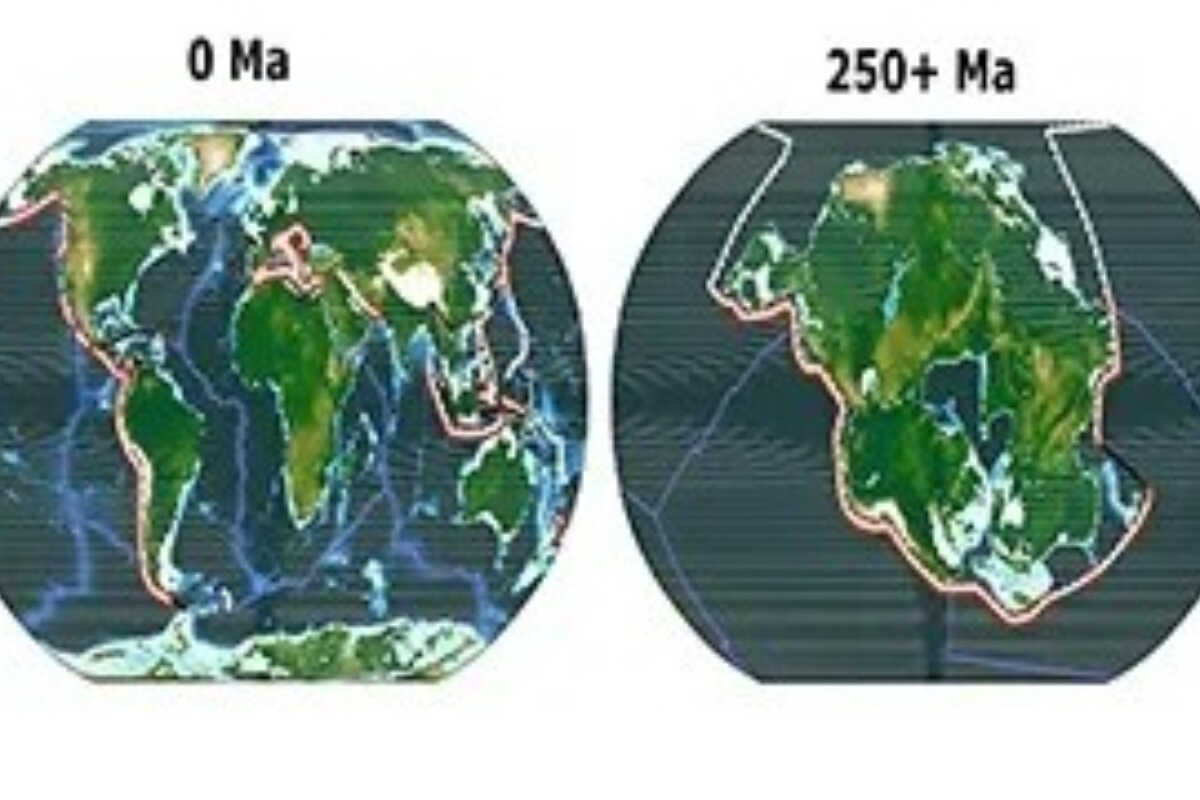
Scientists have predicted that all mammals, including humans, could face mass extinction in the distant future due to extreme climate change triggered by the formation of a new supercontinent. The scenario was unveiled in research published in the journal Nature Geoscience and reported by earth.com.
The research was led by Dr. Alexander Farnsworth from the University of Bristol in England. His team used advanced climate models to simulate Earth’s conditions approximately 250 million years in the future, when all continents are expected to converge again to form a supercontinent called Pangea Ultima.
Should this scenario occur, much of the landmass would be far removed from the moderating effects of ocean cooling. This phenomenon is known as continentality, a condition where inland regions of a continent experience far hotter and drier temperatures compared to coastal areas.
The research identified three primary factors with the potential to trigger mammalian extinction. Firstly, the vast expanse of the supercontinent would leave many regions trapped in an extremely hot interior. Secondly, the Sun is expected to become brighter and emit greater radiation than at present. Thirdly, long-term volcanic activity will increase carbon dioxide (CO2) levels in the atmosphere.
Researchers estimate that CO2 levels could rise from approximately 400 parts per million (ppm) currently to more than 600 ppm in millions of years to come. High concentrations of greenhouse gases will trap more heat and intensify global warming effects.
As a result of this combination of factors, temperatures across much of Earth are projected to reach between 40 and 50 degrees Celsius, and could reach 70 degrees Celsius in some areas. High humidity levels will exacerbate conditions because mammalian bodies, including humans, rely on sweating to cool themselves.
Under extreme heat and humidity, the body’s cooling mechanism would no longer function effectively. Without access to cooler locations and adequate water sources, mammals would struggle to survive.
Simulation results show that only approximately 8 to 16 per cent of landmass on the future supercontinent would remain within temperature ranges tolerable to mammals. The majority of regions are projected to become arid and barren.
These conditions would not only trigger heat stress but also restrict the availability of water and vegetation. With dwindling food and water sources, survival challenges would become increasingly severe.
Although mammals throughout history have been able to adapt to cold temperatures, for example by growing thicker fur or entering prolonged hibernation, adapting to extreme heat is far more difficult.
Earth’s history records several mass extinction events, such as the Permian-Triassic extinction approximately 252 million years ago, which eliminated more than 90 per cent of marine species, and the Cretaceous-Paleogene extinction 66 million years ago, which ended the era of non-avian dinosaurs.
Scientists believe this future scenario could become the next major extinction event, with different characteristics because it would be triggered by a combination of long-term geological and climate change.
Although this projection concerns hundreds of millions of years in the future, researchers emphasise the importance of not overlooking the climate crisis currently underway. Rising global temperatures have already triggered heat waves, disrupted food security, and placed pressure on energy and health systems.