
Schools Amid Wounds
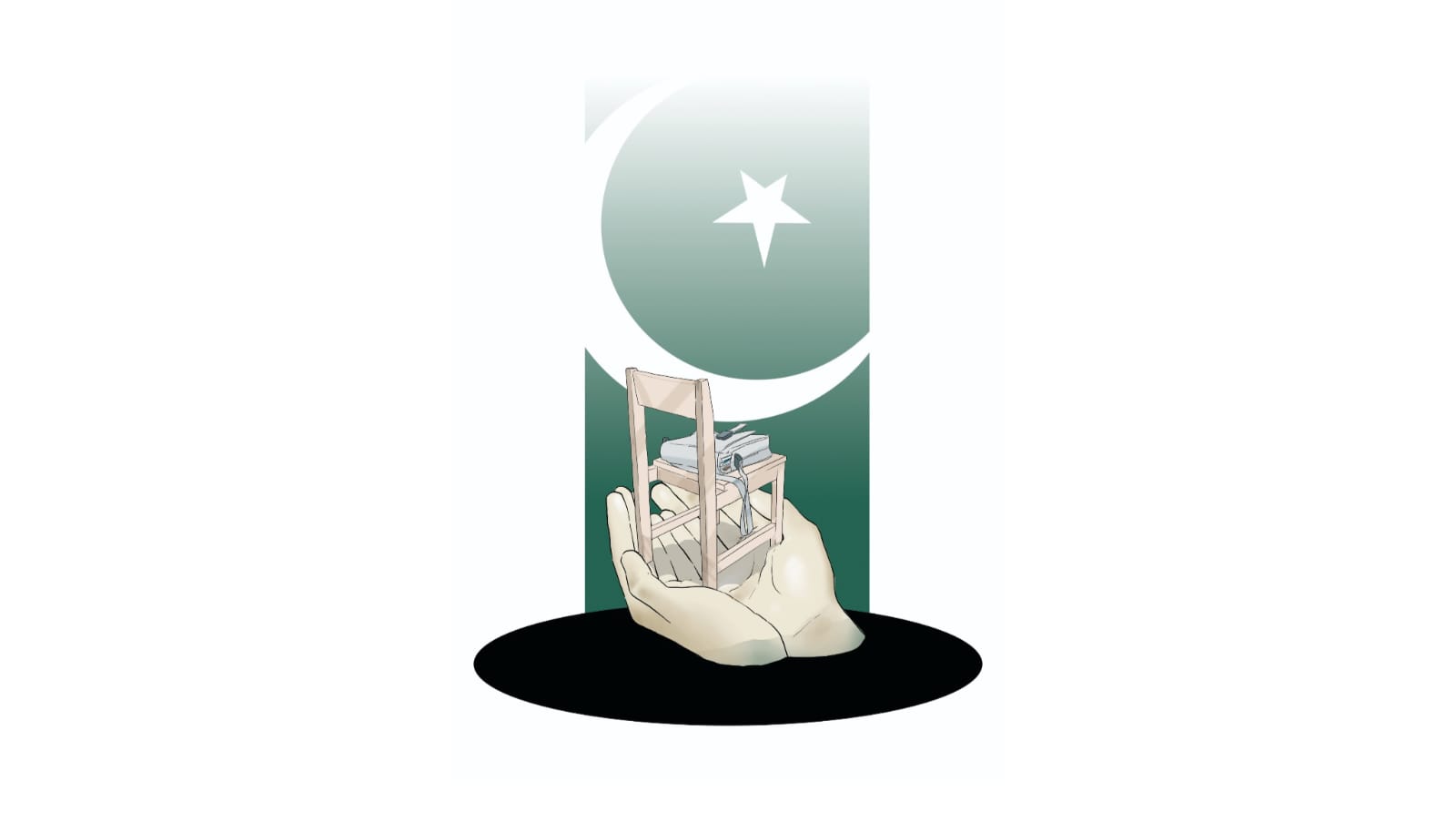
ACEH’S IDI Fitri celebration this year likely feels different for our brothers and sisters in Aceh. During a moment of victory that should be celebrated with joy and a return home to one’s homeland, many have instead lost their homes. The massive November 2025 floods have left wounds that have not yet healed, making this year’s celebration a bitter reminder that disasters come in succession.
This event is not merely sad news on a timeline. It is a harsh reminder that we live in a disaster-prone region. Indonesia sits on the Pacific Ring of Fire, where three continental plates meet. Data from the National Disaster Management Authority (BNPB) confirms that nearly all of Indonesia faces high vulnerability to hydrometeorological and geological disasters. Aceh is not experiencing “flash floods” for the first time. Memories remain fresh of the 2004 tsunami, the 2016 Pidie Jaya earthquake, and successive disasters. However, each catastrophe leaves the same question: “Have we prepared education to rise more quickly after a disaster?”
In responding to post-disaster conditions, the government moves to restore infrastructure. Roads are reopened, bridges are repaired, schools are cleaned of mud. However, education is not merely about buildings. There are children who have lost their routines, teachers who have themselves become victims, and invisible trauma. Emergency education is not a supplement but an urgent need to prevent a lost generation in affected areas. Unfortunately, in several locations affected by the Aceh 2025 floods, learning activities have been paralysed for nearly two months. Children have lost their direction, teachers have lost their footing, and the state has not fully been present amid the calamity.
LEARNING FROM THE RESOLVE OF OTHER NATIONS
The world has provided examples of how education is positioned as a top priority in recovery. Japan, when the 2011 earthquake and tsunami struck Tohoku, moved quickly to ensure emergency schools stood within days. Curricula were adapted, psychosocial services were mobilised, and teachers received intensive support. Education was regarded as the foundation of national resilience.
New Zealand took a similar approach after the 2011 Christchurch earthquake. Schools shared spaces, learning schedules were staggered, and psychological support became a priority. The message was clear: children should not wait for rubble to be cleared before returning to learn.
Yet ironically, in the face of such global best practices, Indonesia remains stuck in partial responses. Despite this, Indonesia actually already has a framework for emergency education policy. However, on the ground, responses often depend on administrative status rather than the actual needs of students. The 2025 Aceh floods reveal this gap. Infrastructure is beginning to be repaired, but emotional support for teachers and students has not yet become mainstream. Yet teachers who experience trauma struggle to create warm and reassuring classrooms.
VOLUNTEERS AND CONSCIENCE THAT GROWS
Amid the uncertainty of post-disaster education, consciences emerge that work. Sukma Foundation took on a role by gathering daughters and sons from the region and beyond who felt called to help. They were not simply sent to disaster sites. Volunteers were equipped with emergency education training, disaster mitigation, effective communication, conflict resolution, action planning, and volunteer safety. From the outset, it was emphasised: volunteers are present not as replacements for core teachers, but as collaborative partners.
One story emerged from a young man whose own home was destroyed in Pidie Jaya. He is not a teacher, not an education activist, but a victim who chose to rise. Through Sukma Foundation’s psychosocial support, he appeared as a village companion. He saw children who were once withdrawn begin to smile again. From that grew an awareness: amid loss, there is still a future that can be saved.
When volunteer recruitment opened, he applied. His personal wounds had not yet healed. His home had not yet recovered. Yet he chose to be present for others. Together with dozens of volunteers, he was placed in an area that had lost learning activities for weeks. Since emergency classes opened, the pulse of education slowly returned. Beneath makeshift roofs, with simple blackboards and donated books, learning spaces became spaces of hope. Children not only learned to read but also saw that they had not been abandoned.
One day, when this volunteer fell ill from exhaustion, his students visited him with simple food they had collected themselves. In that emergency classroom, lessons about empathy and solidarity grew—lessons not written in any curriculum.
That story is a portrait of the strength of Indonesian civil society. Amid the limitations of the state, networks of communities and volunteers move to fill the gap. They keep schools standing even as their walls crumble. They ensure education is not buried in mud. This is where education truly happens: not waiting for instruction, but moving from care.
“Schools amid wounds” ultimately is not merely a metaphor about damaged buildings. It is a definition of how citizens take on roles when systems are not fully present. About how social solidarity becomes a second foundation after the structural foundation has collapsed. In a nation accustomed to disasters, our greatest strength is not infrastructure but a living civil society, ordinary people who in silence choose to care.
THE STATE MUST NOT NEGLECT
Now entering the fourth month, education is indeed gradually recovering. However, progress remains slow. If recovery stalls longer, education quality in disaster-affected areas will deteriorate silently. The central and regional governments must ensure that emergency education protocols and dedicated funding allocations in the national and regional budgets automatically activate when a disaster occurs, without waiting for lengthy bureaucracy. Simple learning modules, temporary learning spaces, and psychosocial services must be part of the standard emergency response kit. Schools should not stand alone in the midst of wounds. The state must be present—not only in rebuilding walls, but in rebuilding the spirit of learning.