
School Recess Is Not a Luxury, But an Absolute Necessity for Children
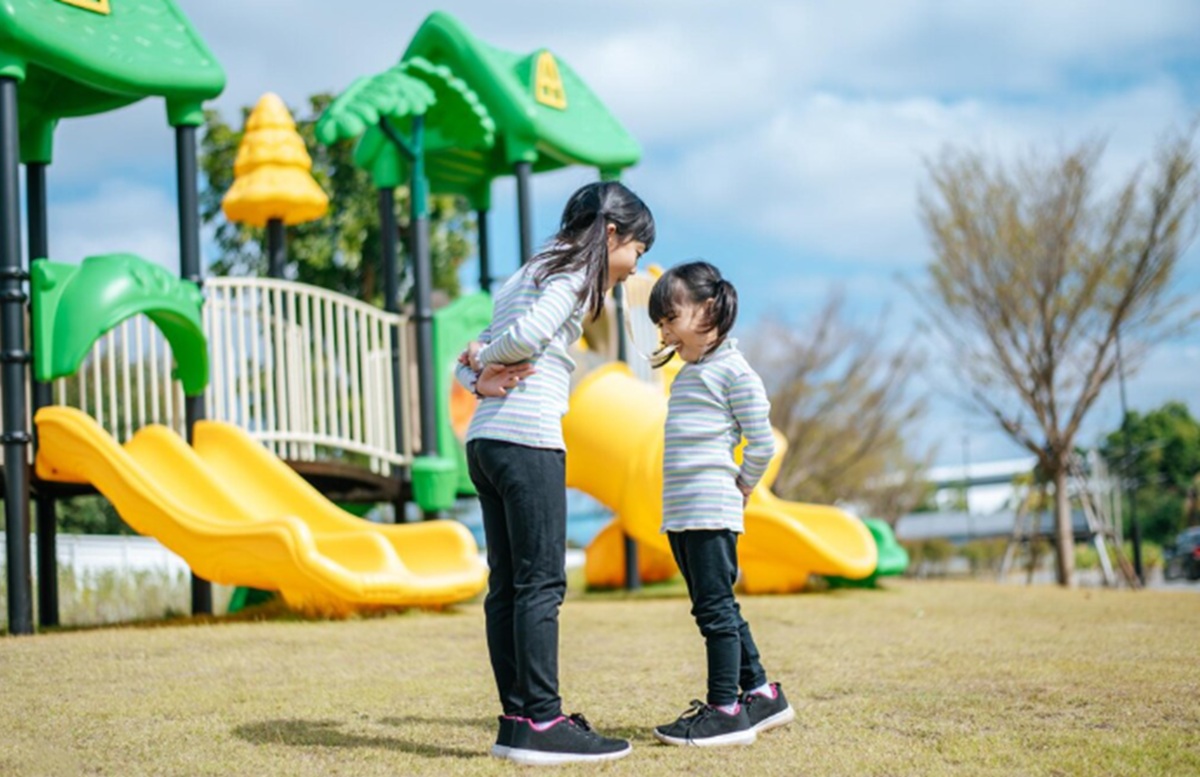
School recess is not a vain leisure time nor a waste of precious minutes for children to master their lessons. The American Academy of Pediatrics (AAP) released an update to its guidelines on unstructured play for the first time in 13 years in May 2026. The guidelines emphasise that recess plays a ‘crucial role’ in schools. Health experts agree that recess is vital for student development, including adolescents in high school. The move comes amid a trend of declining recess time in schools across the United States for more than two decades. ‘Recess is not a luxury or a reward; it is an important part of learning, health, and the development of children of all ages,’ said Dr. Zishan Khan, a child, adolescent, and adult psychiatrist with Mindpath Health. ‘The message has shifted from ’recess is good’ to ‘recess is necessary and must be protected’.’ AAP’s latest guidelines highlight that students need several breaks each day with a total of at least 20 minutes of unstructured time. The aim is to obtain cognitive, physical, and social benefits in full. However, the duration of recess in American schools varies greatly; some provide less than 10 minutes, while others provide up to an hour. By way of comparison, countries such as Australia, Denmark, Finland, Japan, Turkey, Uganda, and the United Kingdom provide double recess time of 45 to 50 minutes of learning. Conversely, since the mid-2000s, up to 40% of school districts in the US have reduced or eliminated recess time to pursue exam scores, budgetary constraints on supervisory staff, or a lack of safe play areas. Ironically, recess time is often cut as punishment for misbehaviour in class. Yet paediatricians warn that such a strategy can worsen behavioural problems. ‘For many children, especially those with ADHD, anxiety, trauma, or high energy levels, recess is a reset that helps them regulate their bodies and return to class ready to learn,’ said Dr. Khan. ‘Taking that time can backfire by increasing self-regulation instability, restlessness, and classroom disruptions later.’ Dr. Tanya Dansky, a paediatrician at Miller Children’s & Women’s Hospital in California, outlined four main benefits of recess: increasing daily physical activity to curb childhood obesity, supporting cardiovascular health and muscle and bone strength, forming lifelong healthy movement habits, and reducing the duration of sitting. From a psychiatric perspective, recess has been shown to reduce stress, provide a healthy outlet for emotions, and serve as a natural space for children to practise social skills directly. Here is where children learn to manage conflicts, negotiate, and rebound from disappointment. Experts advise parents to become actively involved and work together to advocate for changes in school recess policies while maintaining constructive and respectful communication with teachers and schools. (Parents/Z-2) Overprotective parenting has been shown to adversely affect children’s mental health and independence. Recent Duke Health research reveals an AI tool able to predict ADHD risk in children from an early age via medical records. The American Academy of Pediatrics (AAP) released the latest clinical report on the mental health crisis among children, which has reached a worrying stage. Emotional and behavioural issues in early childhood are often perceived as a normal developmental phase. The latest Girl Scouts survey reveals 60% of teenage girls feel pressured as they face adulthood. Copyright @ 2026 Media Group - mediaindonesia. All Rights Reserved