
School Free Milk Programme Strengthens Human Resources Foundation from an Early Age
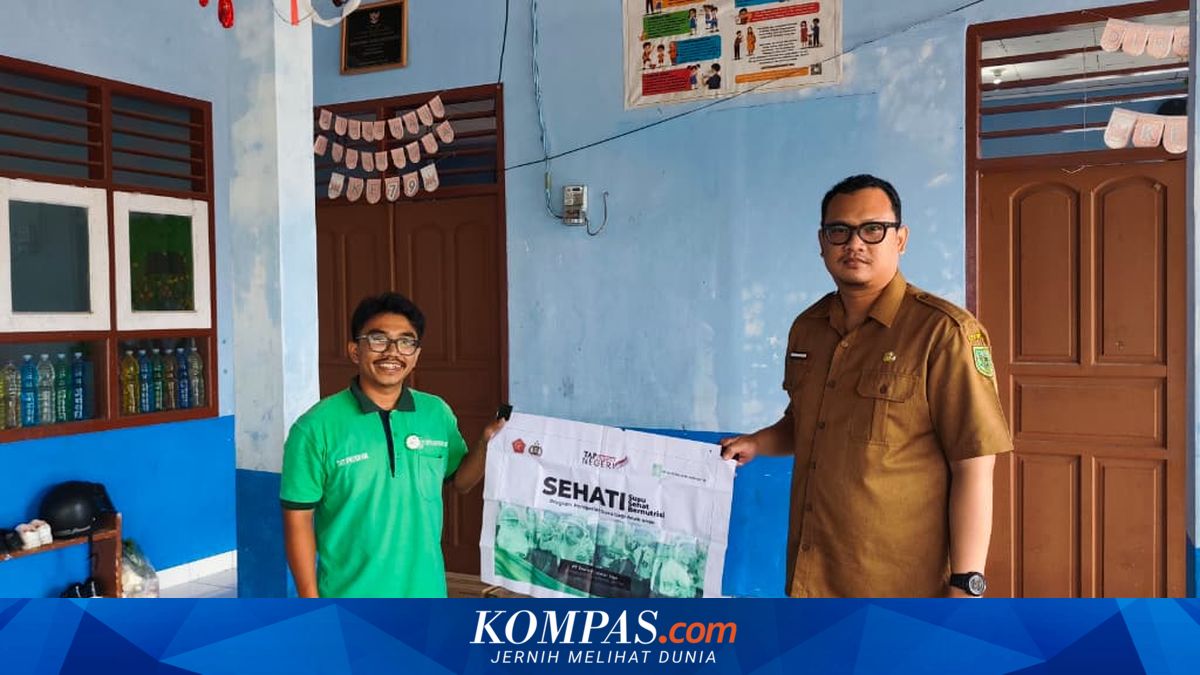
The free milk programme in several schools is beginning to show its impact on increasing children’s enthusiasm for learning while serving as part of strengthening human resources quality from an early age.
At SDN 001 Biatan Ilir in Berau, East Kalimantan, this change is felt by parents. Children are now more enthusiastic about going to school since the introduction of the Nutritious Healthy Milk Programme (SEHATI).
“As a representative of the parents, I thank PT DLJ for the SEHATI programme, which helps meet the nutritional needs of the children,” said Kartini in her statement on Tuesday (31/3/2026).
“The children also often talk enthusiastically when they get home from school after receiving the milk, saying that the milk is tasty and makes them more motivated to learn,” she continued.
Kartini believes that amid the challenges of meeting daily needs, this programme helps maintain a balance in children’s nutritional intake while providing positive experiences at school.
“I and my friends are very happy to receive milk from PT Brahma Binabakti (BBB). It tastes fresh and delicious,” said Zahira.
“So it makes us more motivated to learn in class and feel healthier,” she added.
The SEHATI programme is part of the TAP for the Nation sustainability initiative run by PT Triputra Agro Persada Tbk. This programme targets schoolchildren in the company’s operational areas, such as Jambi, Central Kalimantan, and East Kalimantan.
Milk distribution is carried out routinely with the aim of helping to meet children’s nutrition while supporting a more optimal learning process.
“This programme provides additional nutritional intake that is important for the growth of primary school children, thereby helping to support their health and development during their schooling years,” she said.
“We, along with the entire teaching staff, express our thanks to the company for their care and real contributions through this programme,” continued Fardia.
She hopes that the programme can continue and develop in the long term.
More broadly, programmes like SEHATI are seen as part of efforts to strengthen national human resource quality through nutritional interventions from school age. With healthier physical conditions and improved learning focus, children are expected to have greater opportunities to develop and contribute in the future.