
School and Parental Education Key to Perfecting PP Tunas Implementation
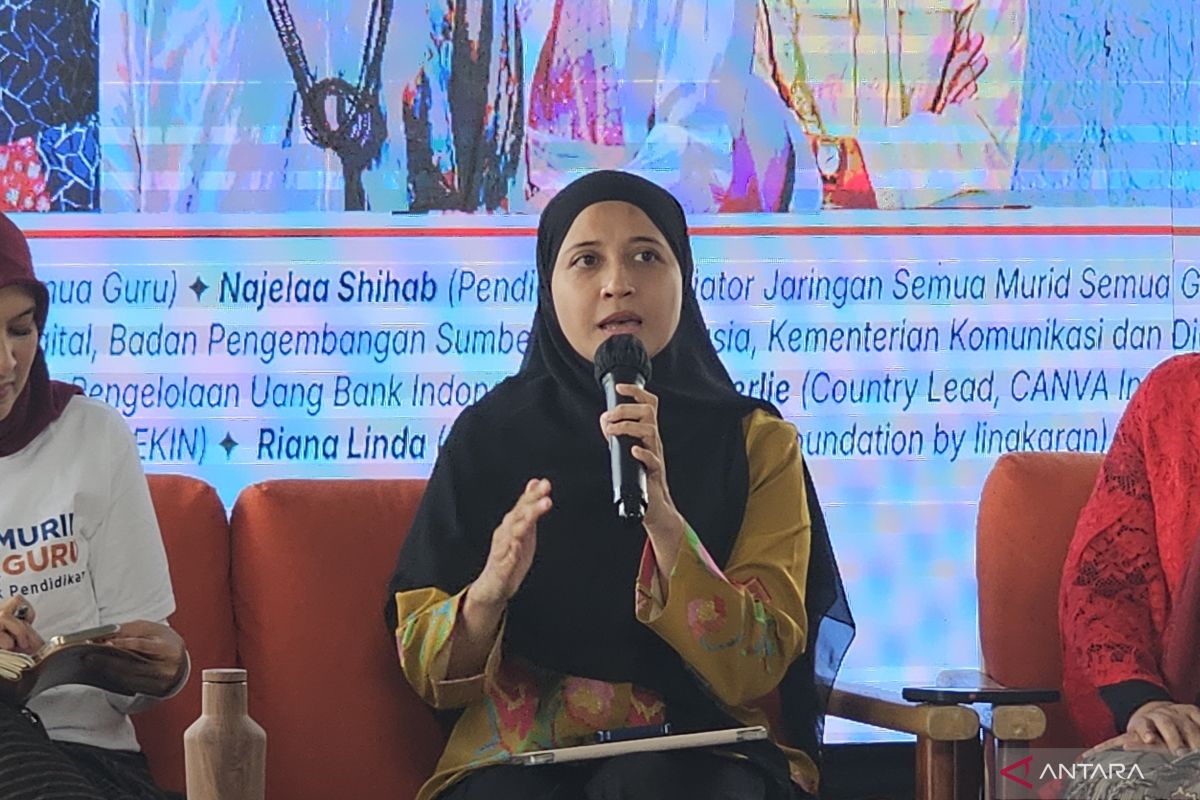
Jakarta (ANTARA) - The Head of Digital Literacy Development at the Human Resources Development Agency of the Ministry of Communication and Digital (Kemkomdigi), Rizki Ameliah, stated that education in the form of digital literacy for schools, children, and parents is key to perfecting the implementation of PP Tunas.
PP Tunas, which is Government Regulation (PP) Number 17 of 2025 on the Governance of Electronic System Providers in Child Protection, indeed emphasises the responsibility of digital platforms to provide safe digital systems for children, but digital literacy for the public is another task that must not be overlooked.
“From the government’s side, we are carrying out education. So it’s not just about regulating the PSE. We do regulate the PSE and they adjust accordingly, but the government still has homework to ensure that PP Tunas is well implemented at home and in school,” said Rizki in response to a journalist’s question during a discussion in Jakarta on Tuesday.
According to her, the reason digital literacy must be provided evenly to teachers and parents is because school and home are the environments closest to children for accessing digital spaces.
The digital literacy provided to parents and teachers includes ways to accompany children in accessing healthy content in line with the national digital literacy principles of CABE (Cakap Digital, Aman Digital, Budaya Digital, Etika Digital) to recognising the companion features provided by digital platforms to monitor children.
“Don’t let us overdo it at school. We’ve guarded our children at home by restricting internet access at home, but at school they have free access to it. So the homework isn’t just at home but also at school,” she said.
To ensure that digital literacy for parents and teachers runs effectively and massively, Rizki said the government cannot go it alone and needs collaborators such as parental communities and educational communities to disseminate that digital literacy information.
Therefore, Kemkomdigi, in addition to actively rallying cadres to the regions, is also opening up potential collaborations with communities that have concerns for children.
In addition, Kemkomdigi is also actively assisting digital platforms in educating features to parents and teachers so that in the future the available technology can be utilised optimally.
“We (Kemkomdigi) are also providing assistance to platform friends to educate the public about what features are available on those digital platforms. So it’s not about prohibiting or blocking, but more about access restrictions,” said Rizki.