
Scepticism Shadows ASN WFH Policy
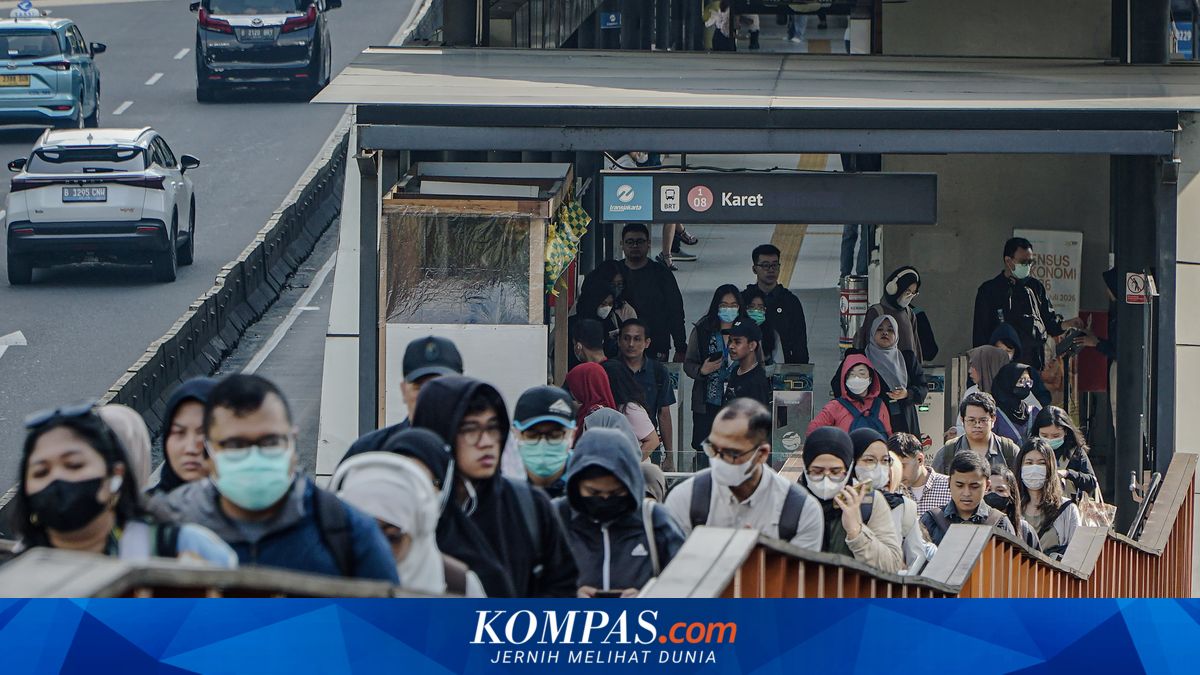
The work-from-home (WFH) policy for civil servants (ASN) is set to be implemented again amid global pressures, particularly the rise in energy prices and demands for state budget efficiency.
The government hopes that reducing the mobility of millions of ASN can curb fuel consumption, lower office operational costs, and simultaneously accelerate bureaucratic digitalisation.
The plan is for WFH for ASN in both central and regional areas to be implemented simultaneously starting this Friday.
However, behind this policy, more fundamental questions from the public arise: is the bureaucracy ready to work from home without having to go to the office?
To date, Indonesia’s bureaucratic culture still heavily relies on presence. “Going to the office” is often an indicator of work, even if it does not necessarily reflect productivity.
In this context, WFH is not merely a technical policy, but a cultural test. It forces the bureaucracy to shift from a presence-oriented approach to a performance-oriented one.
Normatively, the direction of this change is clear. Law Number 5 of 2014 on ASN emphasises that ASN must be professional and based on a merit system.
This is reinforced by Government Regulation Number 30 of 2019 on Civil Servant Performance Assessment, which mandates performance measurement based on results through Employee Performance Targets (SKP).
In other words, the tools for a flexible, performance-based bureaucracy are already available.
Experiences during the COVID-19 pandemic showed that the bureaucracy was able to adapt to remote work. Virtual meetings, online coordination, and digital services developed rapidly.
However, on the other hand, not a few agencies experienced a decline in work effectiveness, especially in coordination and direct services.
This serves as a warning that flexibility without system readiness and work culture can risk lowering performance.
This time, WFH is not driven by a pandemic crisis, but by an energy crisis, namely the need for fiscal efficiency.
Savings policies, including restrictions on official travel, indicate that the state is seeking ways to hold back the budget burden amid the swelling pressure of energy subsidies.