
Scenes of Jakarta Civil Servants Ahead of Weekly Work-from-Home on Fridays
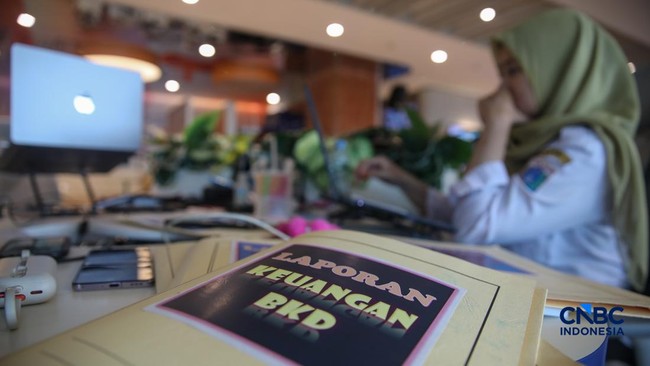
A number of Civil Servants (ASN) were completing their work at the Jakarta Provincial Government Building (Balai Kota DKI Jakarta) on Wednesday (1/4/2026). The government has officially implemented work from home (WFH) for civil servants (ASN) one working day per week, every Friday, to improve energy efficiency in the face of global conflicts. “The implementation of WFH for ASN in central and regional governments, one working day per week, namely every Friday, is regulated in the Circular Letter of the Minister for State Apparatus Empowerment and Bureaucratic Reform (Menpan RB) and the Circular Letter of the Minister of Home Affairs (Mendagri),” said Coordinating Minister for the Economy Airlangga Hartarto during a press conference in Seoul, South Korea, on Tuesday (31/3). The government is also restricting mobility, including limiting the use of official vehicles by 50 percent, except for operational purposes and electric vehicles. The Jakarta Provincial Government (Pemprov DKI Jakarta) is also ready to implement the work-from-home (WFH) policy every Friday for Civil Servants (ASN). This was conveyed by Jakarta Governor Pramono Anung after holding a plenary leadership meeting to follow up on the central government’s policy. Pramono stated that this policy follows the regulations in the Circular Letter of the Minister of Home Affairs and related ministry decisions. However, WFH does not apply to all employees, particularly those in public service sectors and strategic positions. These vital sectors, such as health, firefighting (Gulkarmat), Satpol PP, Transportation Agency, and other public services, will continue to work in the field as usual. This policy applies to employees in the administrative sector. The WFH quota stipulated by the Jakarta Provincial Government is in the range of 25 percent to a maximum of 50 percent.