
Savouring Artistic Japanese-Italian Fusion at RIN Culinary Art
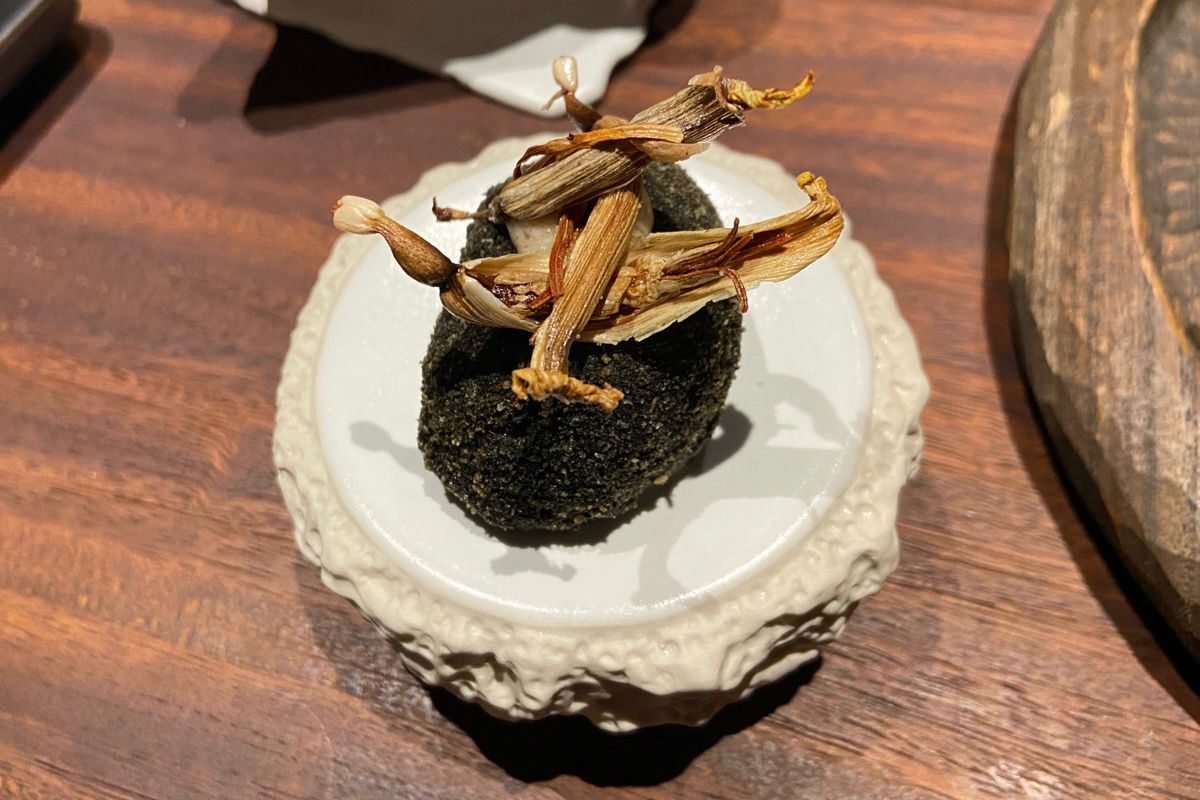
Of course, diners may focus on the flavour, but during a delightful dining experience, there’s much more to recall. That, in my view, is our uniqueness.
RIN Culinary Art, a fine dining restaurant, offers a dining experience that blends Japanese and Italian culinary techniques with the richness of Indonesian local ingredients. This is conveyed through meticulously crafted artistic presentations, creating an intimate and personal dining atmosphere.
Located in the Wijaya area of South Jakarta, RIN Culinary Art embraces the omakase concept, where customers entrust the menu entirely to the chef.
Dishes are curated using the finest available ingredients, seasonal produce, cooking techniques, and desired flavour harmony. Each course is served sequentially by the chef, with limited seating, creating a closer, interactive, and exclusive dining experience.
“Fine dining is often quite serious, but our chefs are more like artists. Every dish tells a story, not just focusing on the food itself,” said General Manager Ken Kuwako during an intimate media lunch in South Jakarta on Tuesday.
The concept is immediately felt as guests enter the intimate space with limited seating. Warm tones combined with minimalist Japanese interior design deliver a personal and calming dining experience.
Amid Jakarta’s bustling modern restaurants, RIN aims to offer a slower, more contemplative dining pace. Visitors are not merely there to enjoy the dishes but also to understand the creative processes behind each course.
Unlike typical omakase concepts that pair dishes with wine, RIN selects each course with specially curated teas. This choice is part of the restaurant’s philosophy to create a more refined tasting experience that aligns with Asian character.
At RIN, tea is not merely a beverage accompaniment. Each variety is chosen to enhance the flavour, aroma, and texture of the dishes, creating a more cohesive sensory harmony throughout the dining session.
Chef Yohhei Sasaki, with experience at restaurants in Japan, Singapore, and Michelin-starred establishments in Italy, blends Japanese and Italian culinary techniques through the use of locally sourced Indonesian ingredients.