
Saving Landfills: Organic Waste Management as a Realistic Solution
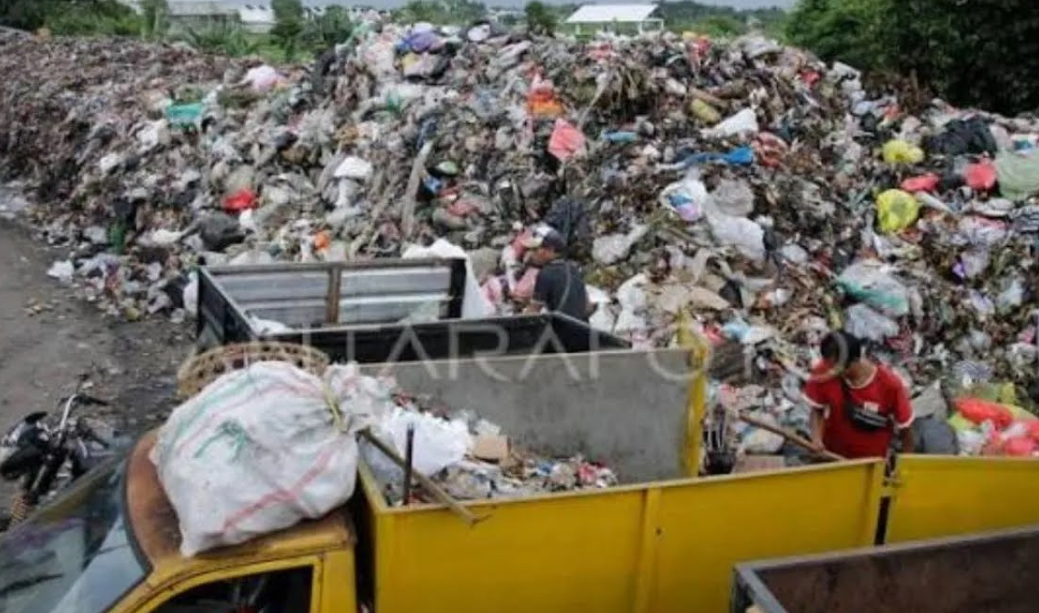
Addressing the looming threat of landfills reaching full capacity by 2028 requires extraordinary and effective measures. Professor of Civil and Environmental Engineering at IPB University, Arief Sabdo Yuwono, emphasizes that the key to saving landfills lies in managing waste at its source, specifically by preventing organic waste from ending up in the final waste disposal site.
“Organic waste must be managed at its source. It is still possible,” said Arief when contacted on Tuesday (February 25).
He believes that the remaining time, less than two years, should be used to formulate emergency response measures.
“If it is analyzed that 2028 will reach maximum capacity, then the remaining time, less than two years, must be used to find effective solutions,” he said.
According to him, the issue of landfills approaching their capacity cannot be addressed with ordinary approaches. If landfills are forced to operate beyond their technical lifespan, the risks include not only a decline in service quality but also threats to safety and the environment.
Overloaded landfills can trigger landslides, increased leachate pollution of soil and water bodies, and methane gas explosions. In addition, social conflicts with local residents are likely to occur due to odors and health problems.
Therefore, Arief urges the government to view this issue as a national emergency, similar to handling natural disasters.
“The target of stopping open dumping can be achieved if emergency measures are taken. The President needs to intervene directly if this condition is considered an emergency. Just like how natural disasters are viewed as emergencies,” he emphasized.
He believes that the target of stopping open dumping by 2026 is not impossible, but it requires extraordinary intervention, not just normative policies. Without an extraordinary approach, this target risks becoming just a slogan.
As a realistic step, Arief proposes gathering cross-sectoral resources to work collectively. The government is also expected to allocate special funds for emergency waste management, separate from the regular budget.
“Cross-sectoral resources should be gathered to address this together. Emergency waste funds should be allocated, separate from the regular budget. Emergency response measures should be developed, not just slogans,” he said.
With the time rapidly approaching 2028, Arief emphasizes that the next two years will determine whether Indonesia can overcome the threat of a landfill crisis or face an open waste emergency.