
Saudi Arabia Tightens Umrah Regulations During Ramadan; Indonesian Ministry of Hajj Urges Travel Operators to Comply with New Rules
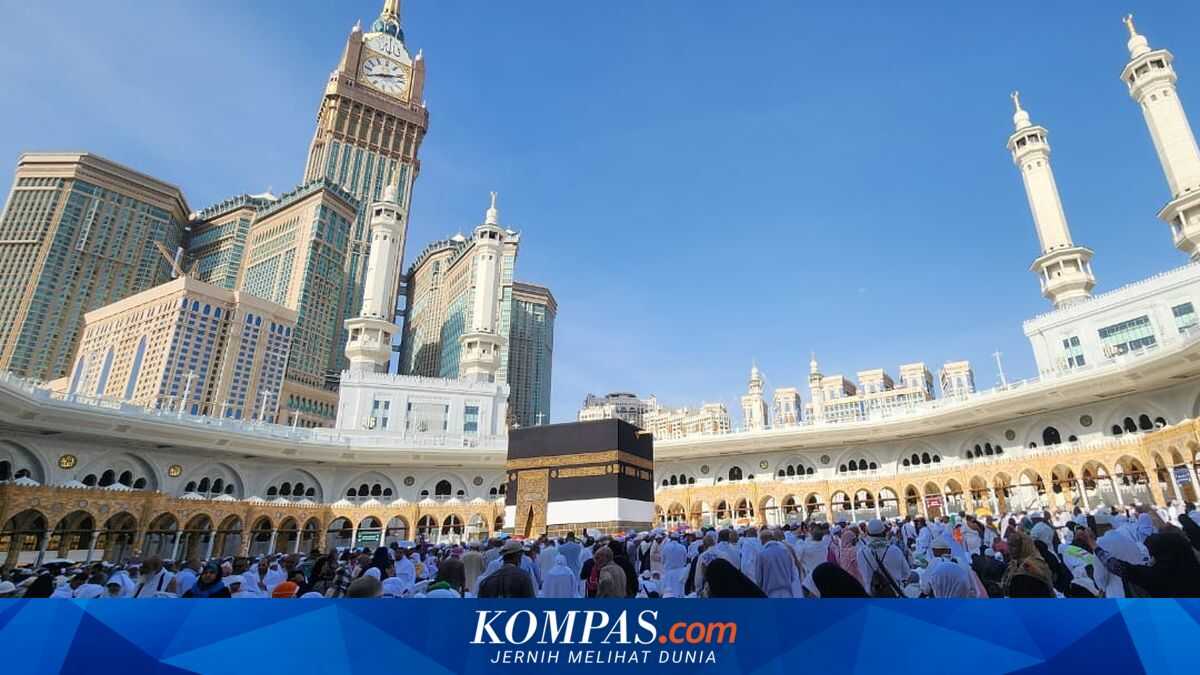
JAKARTA – The Saudi Arabian government has issued guidelines for pilgrims undertaking umrah during the peak Ramadan 1447 H season to adhere to new regulations concerning pilgrim service packages.
The new regulations relate to catering packages, taking into account food availability and hygiene standards, as well as hotel availability during stays.
Puji Raharjo, Director General of Hajj and Umrah Operations at Indonesia’s Ministry of Hajj and Umrah, stated that the policy aims to ensure the safety and comfort of Indonesian pilgrims whilst performing worship in the Holy Land.
“The Saudi Arabian government wants to ensure all pilgrims receive clear and guaranteed services, especially during the peak Ramadan season. For this reason, umrah travel operators (PPIU) must comply with the service package regulations that have been established,” said Puji Raharjo in a statement on Saturday (28 February 2026).
The new requirements are threefold. Firstly, every umrah package must clearly state catering services. This requirement is intended to guarantee food availability for pilgrims whilst in the Holy Land.
Secondly, pilgrims are not permitted to depart for Saudi Arabia without a genuine, pre-approved umrah package. The package must encompass all core service components to ensure pilgrim safety and service quality.
Thirdly, umrah operators are required to monitor pilgrim conditions whilst in Saudi Arabia through coordination with local partners (syarikah).
Puji emphasised that the Ministry of Hajj and Umrah will disseminate these regulations to all umrah operators to prevent violations that could harm pilgrims.
“We request all umrah travel operators to immediately adjust their service packages. Pilgrims must not depart without certainty regarding accommodation, food, and other basic services,” he said.
Akhmad Fauzin, Director of Special Hajj and Umrah, added that the policy also aims to strengthen operational discipline amongst Indonesian umrah operators. According to Fauzin, pilgrim numbers surge sharply during Ramadan, necessitating stricter service oversight.
“Saudi Arabia wants to ensure pilgrim arrivals are more orderly and accommodation is clearly defined. This also protects pilgrims from unrealistic or incomplete umrah packages,” said Fauzin.
“We remind prospective pilgrims to ensure their umrah packages include tickets, hotels, transport, food, and other services before departure,” Fauzin added.
The Ministry of Hajj and Umrah hopes that implementation of these regulations will improve service quality for Indonesian pilgrims whilst ensuring the Ramadan umrah programme proceeds safely and in an orderly manner.