
Saudi Arabia Restricts Poultry Imports; Indonesia Strengthens Animal Health Standards
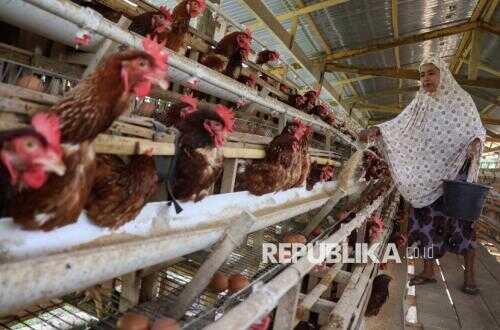
The Indonesian Government, through the Ministry of Agriculture (Kementan), is strengthening animal health standards and biosecurity oversight following Saudi Arabia’s policy restricting poultry imports from several supplying countries, including Indonesia.
The Director-General of Livestock and Animal Health (Dirjen PKH) at the Ministry of Agriculture, Agung Suganda, asserted that the government is leveraging this sanitary restriction as an opportunity to strengthen Indonesia’s position in global livestock trade.
“Reinforcing animal health systems is the fundamental foundation of international market trust. Therefore, we ensure biosecurity, disease surveillance, and the consistent implementation of zoning and compartmentalisation as national standards,” Suganda stated when confirmed in Mataram, West Nusa Tenggara, on Friday (27 February 2026).
The Ministry of Agriculture characterised the Saudi Food and Drug Authority’s (SFDA) policy restricting poultry and egg imports as a precautionary sanitary measure that is standard practice in international livestock trade. Indonesia remains on the list of countries subject to Saudi Arabia’s poultry import restrictions.
According to Suganda, this policy is not new but rather part of longstanding sanitary measures that are periodically updated in line with global developments in poultry disease, particularly following the increase in avian influenza cases since the mid-2000s. Indonesia was first placed on Saudi Arabia’s temporary ban list in 2004 as the global avian influenza outbreak spread.
The policy forms part of a dynamic animal health risk management mechanism that is regularly reviewed by the destination country’s authorities. The Ministry of Agriculture views this position as part of the standard technical process in veterinary trade, which does not directly reflect the overall current condition of Indonesia’s national animal health systems.
From an economic perspective, the policy’s impact on Indonesia’s poultry industry is assessed as limited, as poultry product exports to Saudi Arabia remain relatively small, whilst the domestic market continues as the primary support for production.
Nevertheless, the government is using this situation as momentum to strengthen animal health system credibility and export readiness. Suganda emphasised that the government continues to push for market access through veterinary diplomacy and value-addition strengthening.
“Our approach is not merely to open markets, but to ensure Indonesian livestock products are presented with globally recognised standards. Processed products represent a strategic pathway and evidence of national industry readiness,” he stated.