
Saudi Arabia Condemns Iran's Attacks on Gulf States and Closure of Strait of Hormuz
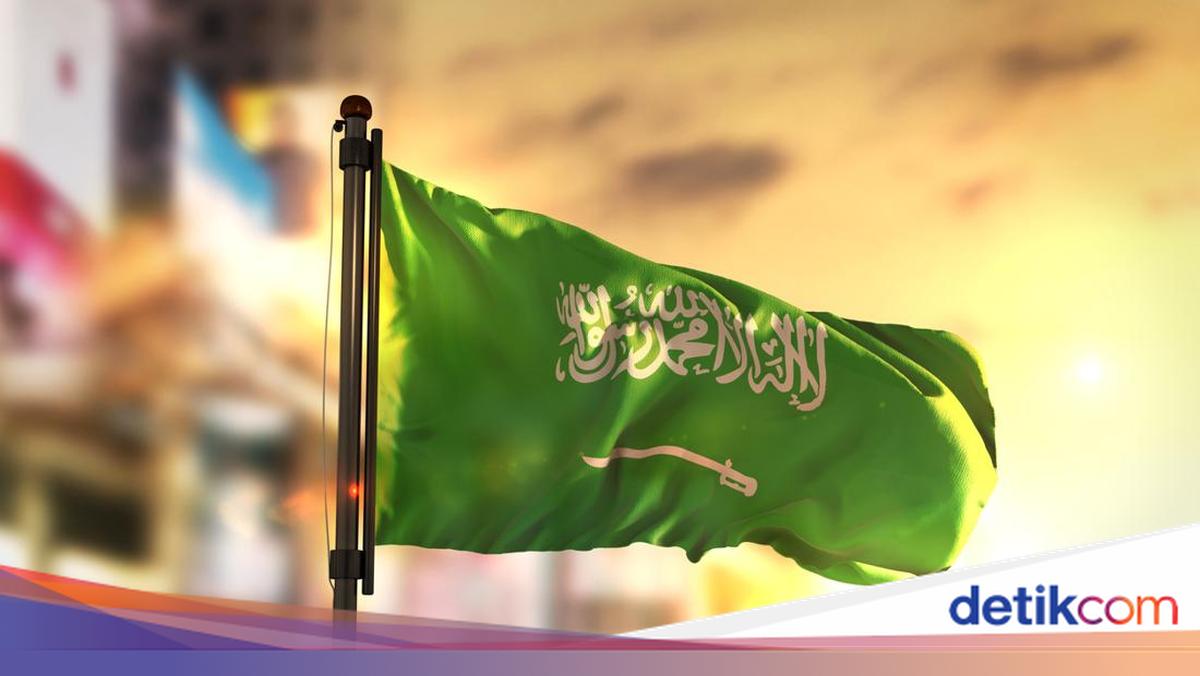
The Saudi government has once again expressed its condemnation of Iran’s retaliatory attacks against Gulf states, which are also its neighbours. Riyadh has also criticised Tehran’s move to close the Strait of Hormuz, an important waterway for global energy supplies.
Saudi Arabia’s latest condemnation, as reported by Al Arabiya on Wednesday (25/3/2026), was delivered by Saudi Arabia’s representative at the United Nations Human Rights Council, Ambassador Abdulmohsen bin Khothaila.
In his condemnation, Abdulmohsen bin Khothaila described Iran’s attacks on Gulf states as “aggression”.
“Iran’s aggression cannot be justified,” said Abdulmohsen bin Khothaila in his statement.
He emphasised that Iran must take responsibility for its actions.
Furthermore, Abdulmohsen bin Khothaila warned Tehran not to continue its current policy, as it would yield no results.
“Iran must review its miscalculations,” he stated.
In addition to condemning Iran’s attacks on its neighbouring states, Abdulmohsen bin Khothaila also criticised Tehran’s actions disrupting navigation in the Strait of Hormuz in the Arabian Gulf.
Tensions in the Middle East region have been continuously escalating since the United States (US) and Israel launched a large-scale joint attack on Iran on 28 February.
A total of at least 1,340 people were killed as a result of the US-Israel attacks in various regions of Iran, including the country’s supreme leader, Ayatollah Ali Khamenei.
Tehran retaliated with waves of missile and drone attacks against targets in Israel and Gulf states hosting US military assets.
Saudi Arabia became one of the main targets of Iran’s missile and drone attacks, although Riyadh has routinely reported that its air defences successfully thwarted most of Tehran’s attacks in its territory.
Iran’s retaliatory attacks triggered damage and casualties in Israel and Gulf states. At least 13 US troops in Gulf states were killed due to Iran’s waves of retaliatory attacks. Another 290 US troops were injured, with 10 of them suffering serious injuries.
Meanwhile, the Strait of Hormuz, a strategic waterway for global energy supplies, has been affected by the war. Since early March, Iran has effectively blocked passage through the Strait of Hormuz by attacking merchant ships and only allowing a few vessels to pass.
This has had a serious impact on global trade, with shipping costs increasing and global oil prices soaring. It is known that before the war broke out, about 20-30 percent of daily global oil consumption and about one-fifth of global Liquefied Natural Gas (LNG) passed through this important waterway.