
Saudi Arabia and UAE appear united, but tensions simmer beneath the surface
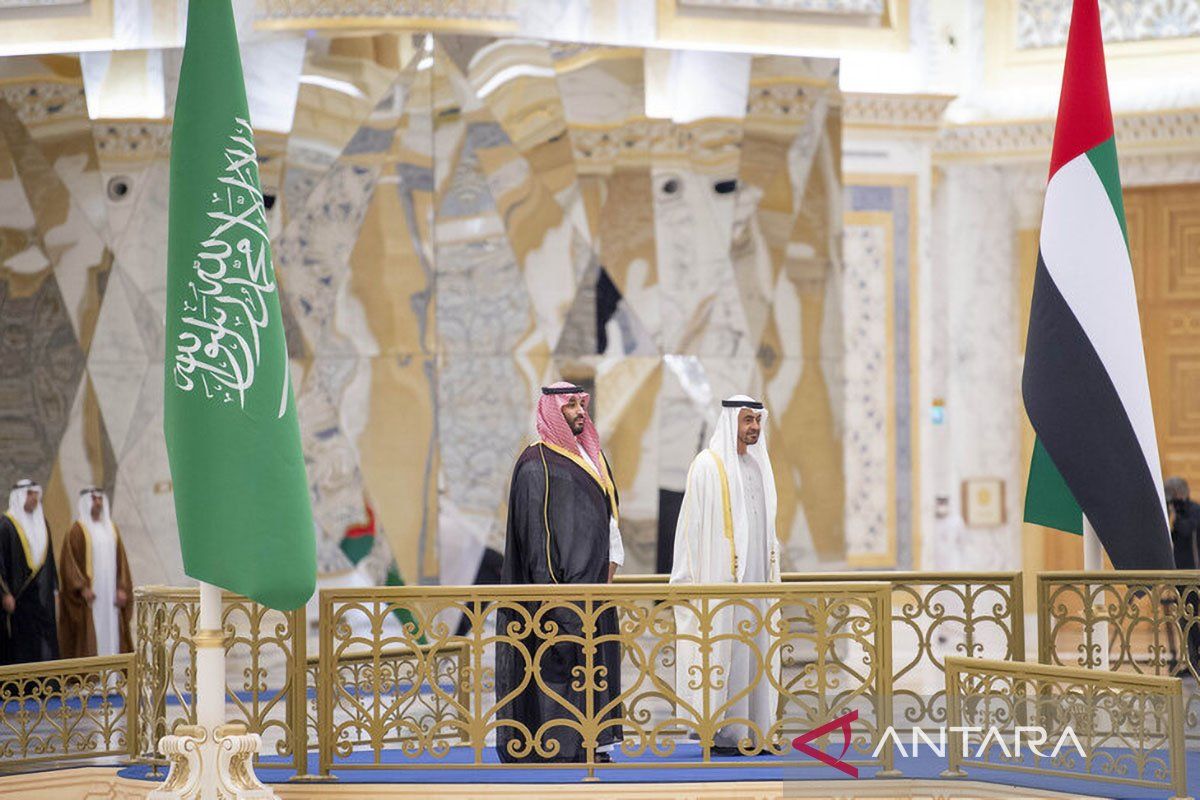
The rift between the UAE and Saudi Arabia may be a temporary strategy, driven by current regional dynamics. The UAE’s decision to leave the Organization of the Petroleum Exporting Countries (OPEC) on 1 May, amid intensifying conflicts between Iran and the Israel-US alliance, has exposed public friction between the two Gulf states. Despite both viewing Iran as a national security threat, Saudi Arabia and the UAE have frequently disagreed on various issues in recent years. Ten years ago, Crown Prince Mohammed bin Salman (MBS) of Saudi Arabia and Sheikh Mohammed bin Zayed Al Nahyan (MBZ) of the UAE were close allies. Though from different generations, they shared a common goal of challenging the status quo. They initially cooperated to suppress the Arab Spring uprisings in the 2010s, preventing them from spreading to the Gulf and threatening their authoritarian regimes.Both nations united against the Hou in Yemen since 2018 and jointly isolated Qatar from 2017 to 2021 over accusations of supporting terrorism. However, their cordial relationship began to sour after MBS expressed ambitions to position Saudi Arabia as the Middle East’s businesshub, a role traditionally held by Dubai in the UAE. The UAE viewed this as an economic threat, especially as Saudi Arabia required international companies awarded government contracts to establish regional offices in Riyadh. According to the New York Times on 5 May, around 600 multinational corporations had set up regional offices in Riyadh by March 2025. This development has further frustrated the UAE. Meanwhile, the UAE has long been constrained by Saudi Arabia through OPEC, which limits its oil production via quotas largely controlled by Riyadh. The UAE sees OPEC as a barrier to producing as much oil as it desires, hence its decision to exit the organisation. What was once a cordial relationship has turned into covert competition.Ironically, the first signs of a split emerged over Yemen, where the two countries diverged on its future. Saudi Arabia seeks a stable united Yemen to safeguard its national security and regional stability, while the UAE prefers a separate government that benefits its own interests. The friction then extended to Sudan. While Saudi Arabia backs the official government to maintain stability there, the UAE supports the non-state actor, the Rapid Support Forces, which opposes Islamists. Saudi Arabia desires stability in Sudan as unrest there would negatively impact Egypt, its key ally, which plays a crucial role in maintaining balance in the Middle East and along the Red Sea, bordering Saudi Arabia’s western coastline.