
Saudi Arabia and Egypt Reportedly Secretly Building New Logistics Corridor to Bypass Strait of Hormuz
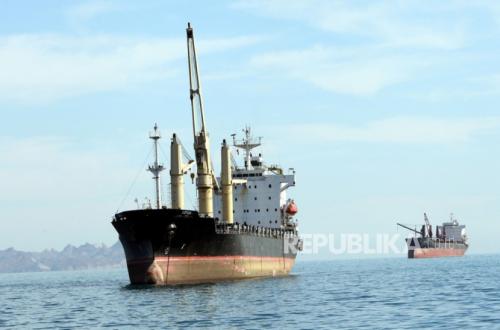
REPUBLIKA.CO.ID, CAIRO – Saudi Arabia and Egypt are reportedly building a new logistics corridor in secret, as per The New Arab on Thursday (16/4/2026), to secure supplies for Gulf region countries from international markets. This new logistics corridor is being constructed amid security issues and high geopolitical tensions resulting from the US-Israel war with Iran.
The new corridor utilises ports in Egypt’s Mediterranean region and the Red Sea, connecting them to ports in the Red Sea near Saudi Arabia. This route creates a ‘bridge’ linking logistics pathways that helps Gulf countries avoid the current conflict in the Strait of Hormuz.
In recent weeks, hundreds of tonnes of cargo have reportedly flooded Egypt’s Damietta Port. The cargoes arrived from Europe, particularly from Trieste Port in the Adriatic Sea.
These hundreds of cargoes were then transferred to Safaga Port in the Red Sea before being sent to Gulf markets via Saudi Arabia’s ports such as Duba Port in the Red Sea.
According to maritime transport experts, the new logistics corridor reduces transit times and costs, impacting the overall prices of goods sold in Gulf countries’ markets. “Regardless of prices and cargo arrival times, the new corridor provides an alternative maritime route that is currently disrupted by the Iran war,” said Egyptian maritime transport expert Ahmed al-Shami.
Al-Shami estimates that Persian Gulf countries will become dependent on this new corridor for trade with Europe and other regions, especially if threats from Iran to freedom of navigation in the Strait of Hormuz continue for an unpredictable period.
“Increased dependence on this corridor will occur in the future, however, it is important for Mediterranean and Red Sea ports to better prepare to handle large numbers of container ships,” Al-Shami added.
This new logistics corridor emerged after Egypt launched a Ro-Ro ship transit service aimed at building a secure connection between European and Gulf markets without disruptions. The new corridor has become crucial following the ongoing closure actions in the Strait of Hormuz and Iran’s desire to impose toll fees on ships passing through the strait.