
Satellite Imagery Reveals Widespread Damage to Israeli Bases as Iran Retaliates
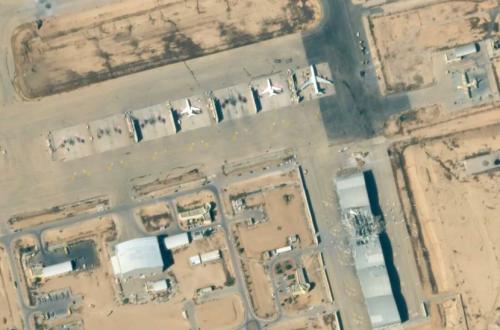
Tel Aviv — High-resolution satellite imagery analysed by the mapping company Soar is reported to reveal extensive damage at several Israeli military facilities as a result of Iranian retaliatory missile and drone strikes in the ongoing war between the United States-Israel and Iran. The findings were cited by several Israeli media outlets.
YnetNews reported that the analysis, which used Sentinel-2 satellite data and additional imagery sources, found visual changes at various military facilities in the occupied Palestinian territories, in both the northern and southern areas. The affected sites include air bases, intelligence centres, and logistical facilities.
The findings add to a growing body of assessments attempting to gauge the impact of Iranian strikes during the conflict. In the fighting, Iran has repeatedly launched missiles and drones at Israeli targets.
One location described as among the most clearly damaged is Ramat David Air Base. Based on comparisons of imagery from before and after the strikes, two points inside the base appear to have sustained damage from the Iranian missiles.
The analysis notes that one area was previously used for supporting vehicles and military equipment, while another area functioned as a fueling and maintenance zone for combat aircraft. Image comparisons show significant physical changes at both locations.
Damage was also reported at Nevatim Air Base, Israel’s largest military installation and the primary operational hub of the F-35I “Adir” fighter jet fleet. Satellite imagery shows changes in the base’s defensive positions on 25 March.
Nevatim has long played a critical role in Israel’s air operations and hosts a range of advanced military aviation infrastructure.
Separately, another analysis identified changes around the Mishar intelligence facility near Safed. The site is associated with Unit 8200, one of Israel’s most important intelligence divisions.
According to the analysis, the structural changes indicate the attack likely occurred between 5 and 10 March.