
Sarong Warfare and Ramadan's Wounds
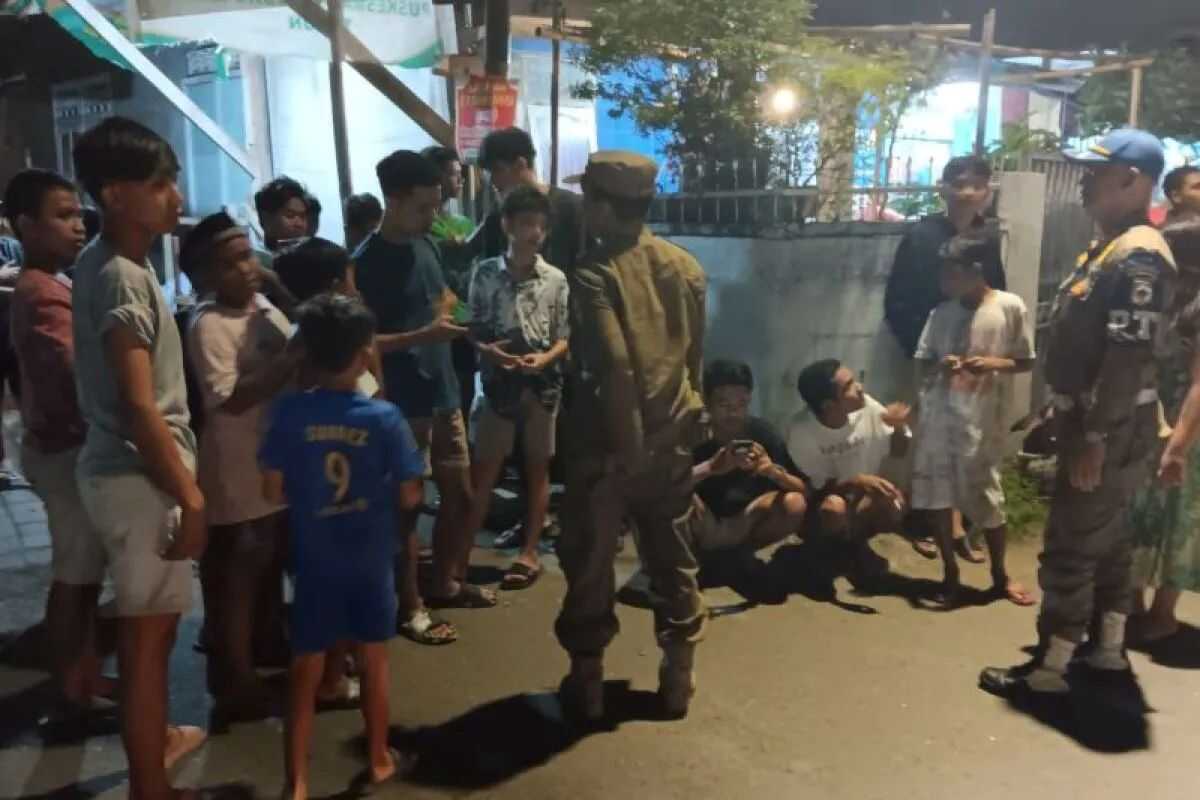
Mataram—On Ramadan nights across various neighbourhoods in Mataram City, West Nusa Tenggara (NTB), what should be a tranquil sanctuary sees a troubling phenomenon: groups of youths running through streets with sarongs wrapped around their hands, some stuffed with stones or hard objects. What originally began as play has transformed into violent confrontations, with what was intended as light-hearted fun escalating into gang fights.
The sarong warfare phenomenon has returned to public attention during Ramadan 1447 Hijrah. The Mataram City Government has openly called on parents to supervise their children more intensively. The local education authority has also emphasised strict sanctions for students involved, including suspension from school. Police have increased night patrols through the period until dawn prayer time. In Dompu, two youths were detained by police following sarong warfare-style gang fighting that involved stone-throwing and arrows.
Ramadan, which should serve as a space for spiritual development, is instead being tested by the explosion of unmanaged youthful energy.
Shifting Traditions
Sarong warfare is not inherently a tradition of violence. In many regions, it was once merely a children’s game before dawn prayers. Sarongs were twisted and struck gently, accompanied by laughter. It was an expression of joy welcoming the fasting month.
Problems emerge when this game undergoes distortion. Sarongs are filled with stones, tied with belts, and even metallic objects. In some cases, sarong warfare becomes a gateway to gang violence between rival groups.
Authorities in Dompu have documented confrontations that go far beyond simple sarong striking, involving stone-throwing and arrows. This means it is no longer play, but violence wrapped in traditional terminology.
In Mataram, locations such as Udayana, Jalan Lingkar, Sekarbela, Jempong, and Adi Sucipto have become focal points of concern. Authorities must maintain vigilance from after dawn prayers until sunrise. Routine patrols are conducted, with loud exhausts and illegal racing also brought under control. This demonstrates that sarong warfare is not an isolated phenomenon, but part of a spectrum of youth delinquency strengthening during high-risk hours.
National data from the Ministry of Women Empowerment and Child Protection in recent years shows that trends of violence involving children remain high, both as victims and perpetrators. In the local context, sarong warfare is a concrete manifestation of this violence potential, which requires prevention from the outset.
Ramadan creates a different timeframe. Children and youths wake earlier, nighttime activities extend longer, schools adopt more flexible schedules. Uncanalled energy easily seeks outlets. Without supervision, public spaces transform into arenas for displays of bravado.