
Saporkren Villagers Develop Ecotourism While Remaining Vigilant Against Nickel Mining
Jakarta (ANTARA) - Residents of Saporkren village, South Waigeo, Raja Ampat Regency, Southwest Papua, have developed homestay-based ecotourism and birdwatching activities after abandoning hunting and illegal logging practices, whilst remaining vigilant about the potential impact of nickel mining on the environment and tourism sector.
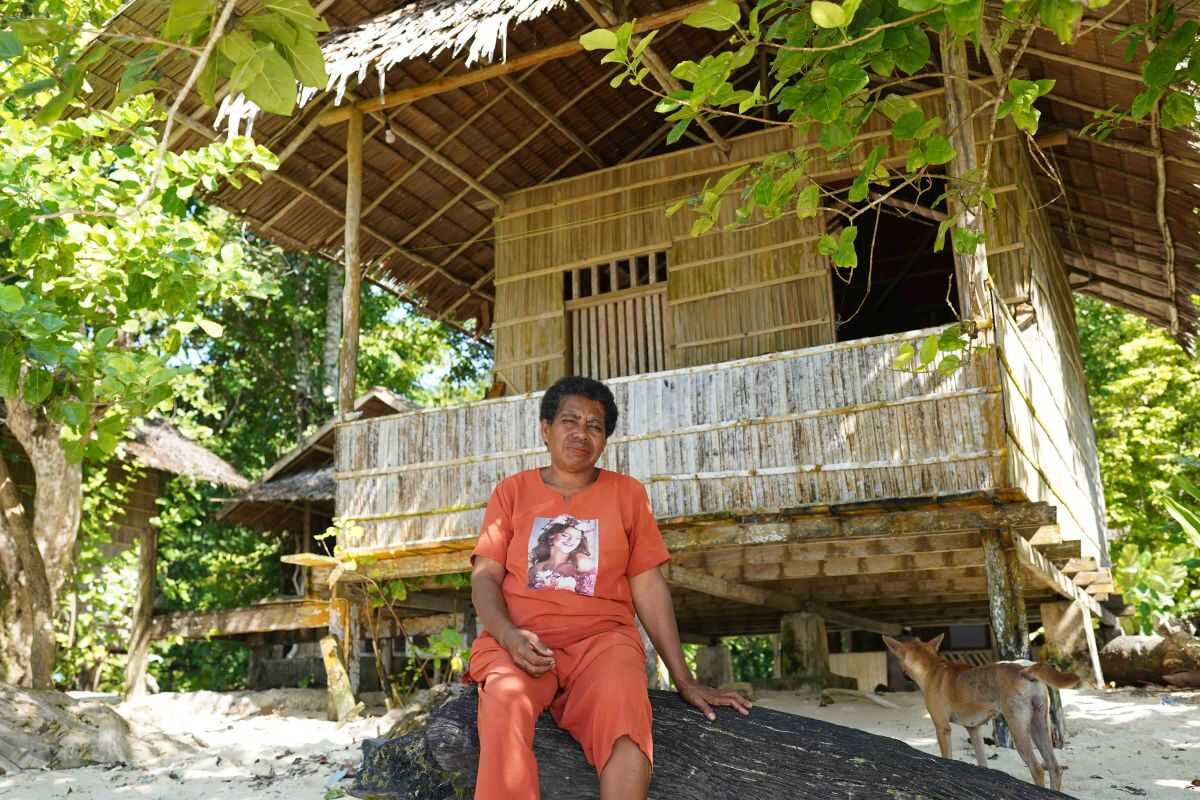
In a press statement received in Jakarta on Tuesday (24/2), Enggelina Dimara, known as Mama Engge, owner of Warimpurem Homestay, spoke at the Cooperative Partners Meeting on Enhancing Local Community Resilience through Sustainable Economic Development organised by the EcoNusa Foundation. She revealed that before establishing her homestay in 2010, she hunted birds for sale to make ends meet. After receiving conservation mentoring, she ceased hunting and turned to managing a homestay.
Birdwatching of birds-of-paradise is one of the flagship attractions of ecotourism activities in Saporkren village. When guests wish to go birdwatching, she typically contacts other villagers who serve as guides.
In Saporkren, tourists can observe the red bird-of-paradise (Paradisaea rubra) and Wilson’s bird-of-paradise (Cicinnurus respublica), as well as at least 102 other bird species including the Papuan hornbill, Victoria crowned pigeon, lorikeets, white cockatoos, and palm cockatoos. Other endemic wildlife such as the Waigeo cuscus can still be found in the forests surrounding the village.
A similar transformation was experienced by Magareta Morin, known as Mama Morin, who established Yenkankanes Homestay in 2013. Before opening the accommodation, Mama Morin’s husband was a chainsaw operator who felled trees using a mechanical saw to extract timber from the forest.
According to her, since managing the homestay, logging activities have ceased and her family has shifted to supporting nature-based tourism. The homestay business has also stimulated the local economy through purchases of fish from fishermen and vegetables from community gardens.
Data from the Raja Ampat Regency Central Statistics Agency recorded 42,150 tourist visits in 2025, an increase from 32,147 visits in 2024, with approximately 87 per cent comprising international tourists.
Regarding mining, of the five nickel mining concessions that previously operated in Raja Ampat, as of 2025 only one company remains active — PT Gag Nikel on Gag Island, with a concession area of approximately 13,136 hectares. The four other permits were revoked by the government due to administrative considerations and environmental impact.
“When mines are present, the sea is destroyed. Perhaps I will die tomorrow. But what about our children and grandchildren?” said Mama Engge.
She assessed that mining activities risk causing sedimentation that leads to sea turbidity, damages coral reefs, and disrupts fish populations that serve as a source of livelihood for fishermen and a tourism attraction.