
Sapo-Sapo Fish Siomai Issue Causes Concern, Vendors Speak Out
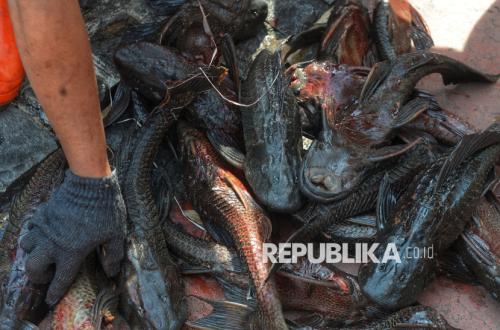
The utilisation of sapo-sapo fish as a raw material for siomai in Jakarta has once again become a topic of discussion. However, sapo-sapo fish contains high levels of heavy metal residues, making it dangerous for consumption. Republika sought comments on the issue from several siomai vendors in the Central Jakarta area. However, the vendors claimed they do not use sapo-sapo fish as an ingredient in the food they sell. One siomai vendor, Aden (21 years old), revealed that the food he sells contains no sapo-sapo fish at all. According to him, the raw materials for the siomai he makes are mackerel, skipjack tuna, flavour enhancers, garlic, and pepper. “For me, I use mackerel mixed with skipjack tuna,” he said when met by Republika on Monday (20/4/2026). According to him, it is difficult for street vendors to use mackerel as a raw material for making siomai. This is because the price of mackerel is quite expensive. As a result, siomai vendors typically mix it with skipjack tuna to make the selling price more affordable. “Usually, if it’s pure mackerel, it’s sold for Rp25,000 and above. If it’s a mackerel-skipjack tuna mix, it’s usually Rp10-20,000,” he said. Nevertheless, he is aware that there are still siomai vendors who use sapo-sapo fish as the main ingredient. This is because the price of sapo-sapo fish is much cheaper. “It seems like in other areas, there are some. But in this area, it’s not visible yet. You can tell if it’s sapo-sapo because it’s dark, the siomai looks a bit dark,” said Aden. He added that the taste of siomai made from sapo-sapo fish is also different from the usual. According to him, the siomai tastes more fishy and chewy. Aden explained that there is usually a specific supply chain for those vendors to buy sapo-sapo fish. This is because the fish is not freely sold in the market. Nevertheless, he assured that the siomai he sells is safe for consumption because it does not use sapo-sapo fish. In fact, the siomai he sells has previously been tested by the relevant health department for safety. “It has been tested by the health department before fasting, and it’s stamped as safe siomai,” said the vendor who has been selling for two years. He is not too worried about the sapo-sapo fish siomai issue. This is because he has never made siomai from sapo-sapo fish. “Whether worried or not, well, because we’re honest in making it,” he said.