
Sanusi's Story: Eleven Years as RT Chief in Kebon Pala and Ready to Evacuate Residents During Floods
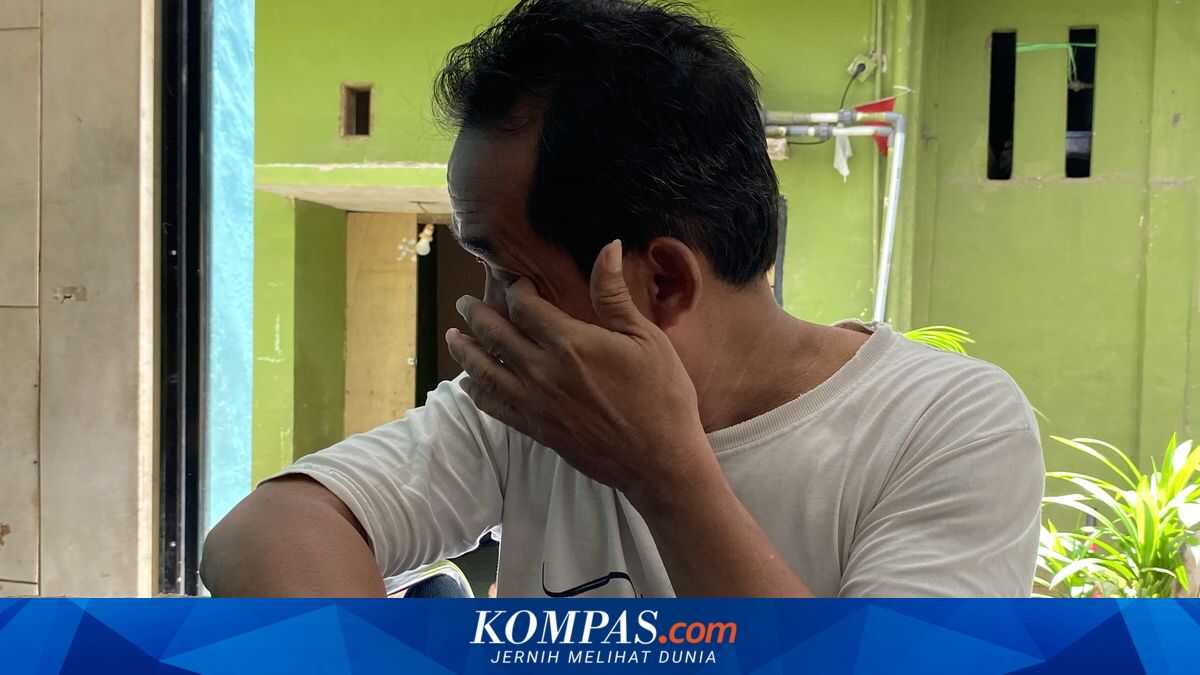
For residents of RT 13 RW 04 Kebon Pala, Kampung Melayu, East Jakarta, the rainy season is not merely a change of season. Each heavy downpour upstream in Kali Ciliwung can be a signal of danger that forces them to prepare for floods that arrive suddenly. In the middle of this, Sanusi has undertaken a heavy role as RT Chief for the last eleven years. Not only does he manage residents’ admin, he is also the first person to be on alert when water levels begin to rise. Over more than a decade in office, Sanusi faces one recurring issue: floods from the Kali Ciliwung overflow. Each rainy season his responsibilities extend beyond administrative tasks. “To be honest I’m tired too, because every flood residents complain. But if there is a disaster I will still go down to help,” Sanusi told Kompas.com at his home on Tuesday 3 March 2026. Walking along the narrow alley of RT 13 RW 04 Kebon Pala reveals the contrast between residents’ lives and the flood threat from Kali Ciliwung, which flows not far from the settlement. Behind walls, the damp earth smell and mud residue seem part of daily life here. For more than three decades, floods are no longer a stranger, but part of a life cycle that forces residents to adapt to uncertainty. A striking sight is electric poles and walls marked with water-height indicators. The red line at 200 centimetres bears witness to how often the area is flooded. The survival strategy is reflected in the architecture of homes. Almost every building here has two to three storeys. For them, the ground floor is often willing to be flooded, while the upper floor becomes the last bastion to save possessions and family members when the floodwaters rise. Young children with bright school bags pass along a gangway only wide enough for one motorcycle. They appear unfazed by the fact that their playground can turn into a river within hours. Yet behind the laughter lies a collective trauma formed over the years. Social life in Kebon Pala also contains irony. Community closeness is strong, but it is formed by experiences of facing the same disasters each year. According to Sanusi, major floods in RT 13 began to occur more frequently since the late 1990s. “The biggest floods started around 1996. Before 1996 there were floods, but not as big,” he said. Floods again came in 2002 and peaked in 2007. Water even entered the second floor of his house. “Even on the second floor it was up to waist-deep,” he said. After that, big floods occurred again in 2013 and 2020. In recent years, however, Sanusi says the frequency of floods has actually increased, forcing residents to slowly adapt. In RT 13 RW 04 Kebon Pala there are about 96 households occupying 53 buildings. Most homes now have two to three storeys. “Many houses here are now two or three storeys,” Sanusi said. The multi-storey houses are not only built for space due to population density. “In one house there can be two to four households, because married children usually still live here,” he added. However floods have also given residents a reason to raise their homes. “One reason is floods, but also population density,” he said. He noted that multi-storey homes are the most realistic way for residents to survive floods that come almost every year. “Many residents here are home traders. If floods hit, they cannot sell. Mattresses, clothes, wardrobes often get damaged,” he said. In several incidents, residents do not have time to save their belongings. “If floods come suddenly, many wardrobes may topple over. Residents’ items are all submerged,” he said. Government aid has indeed come, but not regularly. “If there is aid for houses from Baznas, such as building stilts for residents, it happened. But in recent years that kind of aid hasn’t come again,” Sanusi said. For Sanusi, the rainy season means far less rest time. He must continue to monitor water conditions from upstream Kali Ciliwung. “If there is information that water is rising in Depok with friends and acquaintances there, usually about six hours later the water arrives here,” he said. The information becomes a signal for Sanusi to wake residents to prepare for floods. “If there is news, I wake residents to get ready,” Sanusi said.