
Samsung Opens the Window Wider, Galaxy S26 Ultra Nightography Reaches New Level
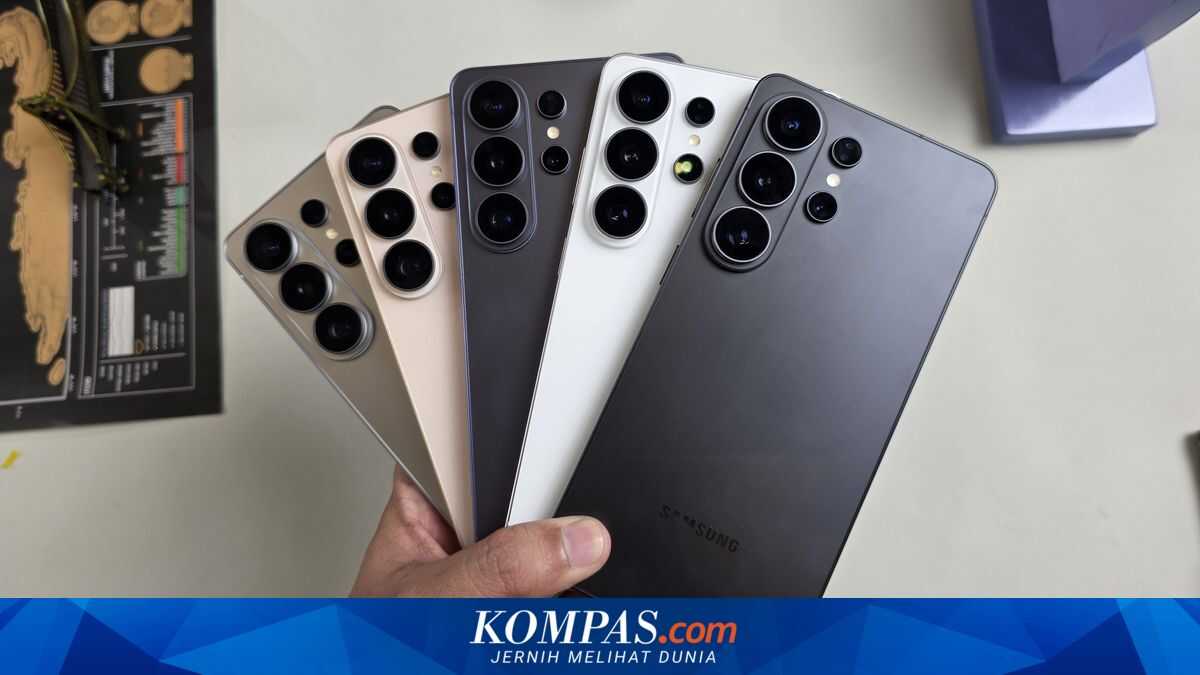
On paper, the camera specifications of Samsung’s Galaxy S26 Ultra appear identical to its predecessor, the Galaxy S25 Ultra. Both smartphones feature four rear cameras comprising a 200 MP main camera, a 10 MP telephoto camera, a 50 MP periscope telephoto camera, and a 50 MP ultra-wide camera. The front houses a 12 MP selfie camera.
However, one should not hastily conclude that performance remains unchanged. Although the resolution figures remain constant, Samsung confidently promises significant improvements in photo and video quality on its latest flagship device.
If the resolution configuration appears similar, what then is the “secret weapon” behind the increasingly sharp night-time images of the Galaxy S26 Ultra?
One of the main improvements lies in the hardware aspect, particularly the lens aperture. The 200 MP main camera on the Galaxy S26 Ultra now features an f/1.4 aperture, wider than the previous generation’s f/1.7. Samsung claims this opening allows the sensor to capture approximately 47 percent more light.
The larger the lens opening, the more light enters the sensor. This lens aperture can be likened to a window opened wider, in which case the room receives more light. In the context of cameras, this results in brighter night-time photos and videos while helping to reduce noise.
An improvement also appears on the 50 MP periscope telephoto camera. Its aperture now stands at f/2.9, wider than its predecessor which had an f/3.4 aperture. Samsung states this improvement allows the camera to capture approximately 37 percent more light.
With greater light input, the quality of night-time photos, including when using zoom, is claimed to be brighter and more detailed.