
Samarinda DPPKB strengthens benefits of MBG 3B programme to prevent new stunting cases
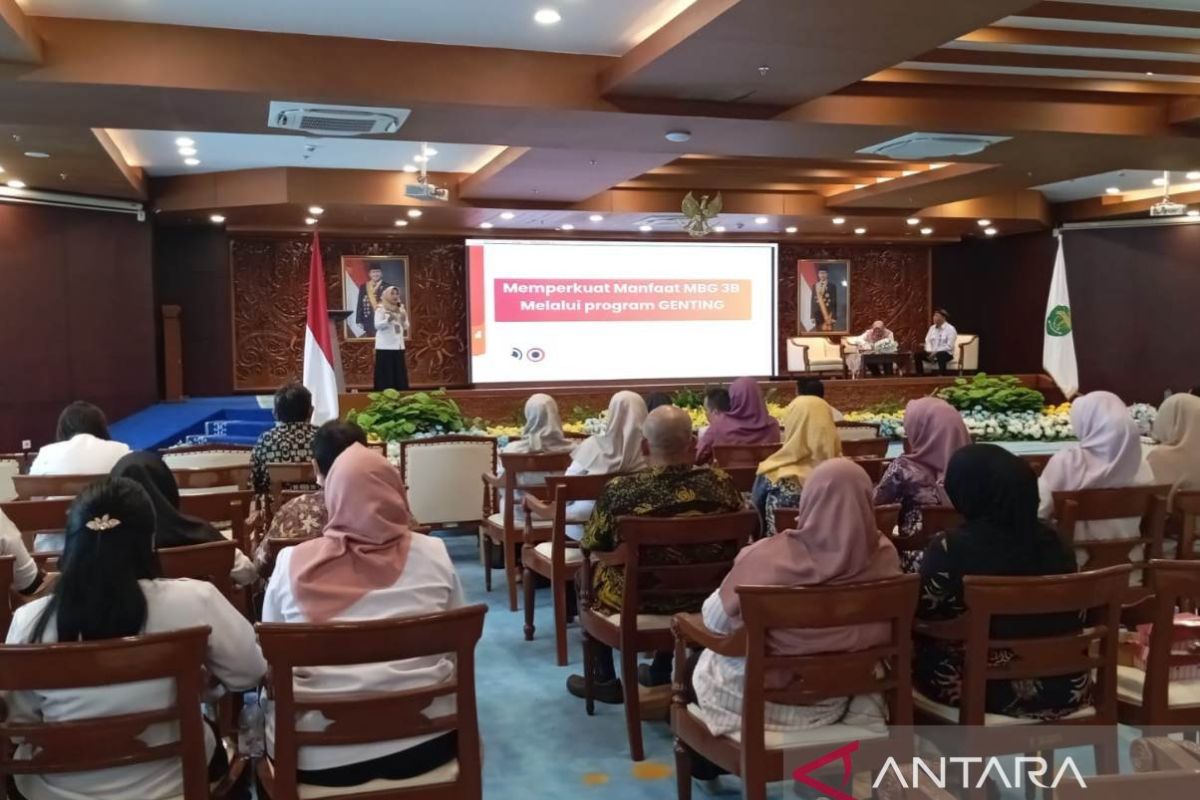
Samarinda (ANTARA) - The Population Control and Family Planning Agency (DPPKB) of Samarinda City, East Kalimantan, is strengthening the benefits of the Free Nutritious Meals (MBG) programme for pregnant women, breastfeeding mothers, and toddlers (3B) to prevent the emergence of new stunting cases. In addition, balanced and regular nutritional fulfilment is one way to address children who are already stunted, provided they are under five years old, and more effective if under two years. “In handling stunting, there are at least two interventions that can be carried out, namely specific interventions and sensitive interventions,” said the Head of Samarinda City DPPKB, Deasy Evriyani, in Samarinda on Thursday. Specific interventions, she said, are direct actions related to fulfilling nutritional intake and health, such as providing nutritious food and vitamin supplementation. She mentioned that there are currently 56 Nutrition Fulfilment Service Units (SPPG) in Samarinda. Of this number, there are still 4 units in the preparation submission stage, so the total operating units are 52, while those serving MBG 3B are 36 SPPG units. Meanwhile, the total number of MBG 3B beneficiaries in Samarinda is 3,052 recipients, consisting of 328 pregnant women, 501 breastfeeding mothers, and 2,223 toddlers. In distributing MBG 3B to recipients, they are assisted by hundreds of Family Accompaniment Teams (TPK) and dozens of family planning extension officers (PKB) as well as field family planning officers (PLKB) spread across all sub-districts. At the distribution stage, she continued, cadres or accompaniments receive MBG from SPPG at the agreed delivery points, while in placement to transfer using ompreng, food security and the surrounding environment must be considered. The next process is distributing and eating together at the location, as well as providing nutrition and food security education, evaluating child weight development according to measurement results. Cadres’ other tasks include delivering food to recipients’ homes who do not come to the location. At the target homes, cadres monitor consumption and educate on nutrition and stunting prevention efforts according to family issues. “In some areas, it is agreed that distribution twice a week is still carried out at the designated location such as posyandu or cadre’s house. Recipients come according to the schedule to eat together on that day and take home food for the next two days,” she said.