
Salary Cuts and Work-From-Home: Multiple Nations Unite to Conserve Energy Amid Iran War
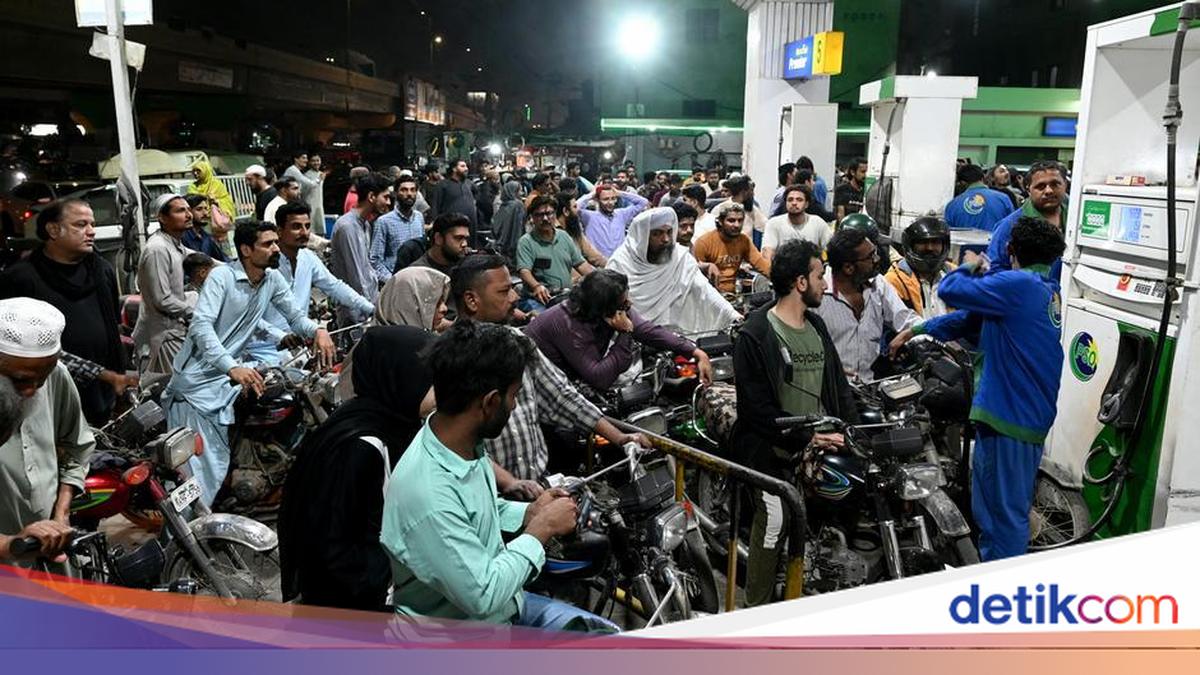
The US-Israel-Iran conflict continues to shake global energy supplies, with impacts increasingly felt across several Asian nations. Pakistan, Thailand, Bangladesh, and Vietnam have simultaneously announced emergency measures to curb fuel and electricity consumption amid unprecedented price spikes.
Pakistan: School closures and ministerial salary cuts
Prime Minister Shehbaz Sharif announced a series of austerity measures on Monday, 9 March. Starting the following week, all schools across Pakistan will close for two weeks, affecting approximately 40 million students. Higher education institutions and universities will switch to online lectures during the same period.
Government offices, except banks, will operate only four days per week, with half of civil servants working from home. Official vehicle fuel quotas will be halved for two months, with exceptions only for ambulances and public buses. Purchase of new official vehicles has been suspended until June 2026.
At the official level, cabinet ministers and government advisers have agreed to forgo their salaries and allowances. Federal and local legislative members are expected to voluntarily cut salaries by 25%. The government has also banned Ramadan evening feast celebrations.
Pakistan has increased petrol and diesel prices by 55 rupees (approximately Rp3,316) per litre, the largest increase in the nation’s history. Because nearly all its energy needs depend on imports, inflation in Pakistan is highly vulnerable to fluctuations in global fuel prices.
“To stabilise the economy, we have made difficult decisions,” Sharif said in his televised address.
Thailand implements work-from-home and stair-climbing
In Thailand, Prime Minister Anutin Charnvirakul ordered civil servants to work from home starting Tuesday, 10 March, except those required to serve the public directly.
Other mandatory measures include setting air-conditioning temperatures between 26-27 degrees Celsius, wearing short-sleeved shirts instead of formal attire, turning off lights and electrical equipment when not in use, and avoiding lifts in favour of stairs.
Official overseas travel has been suspended. The government also urged the public to carpooling to reduce fuel consumption.
Should the situation worsen, the government plans stricter measures, such as dimming shop signs, cinema displays, and commercial building lights, and closing petrol stations at 22:00.
Thailand currently has energy reserves for approximately 95 days ahead. 68% of its energy needs are supplied by natural gas, and it is seeking additional LNG supplies from the United States, Australia, and South Africa.
Bangladesh closes universities to conserve electricity
Bangladesh has shut down all state and private universities as part of emergency energy conservation measures, accelerating Eid al-Fitr holidays.
The government believes university campuses consume large amounts of electricity for dormitories, classrooms, laboratories, and air-conditioning. The closure is also expected to reduce traffic congestion that has been wasting fuel. Government and private schools in Bangladesh have been closed since the beginning of Ramadan, so nearly all educational institutions in the country are now on holiday.
Schools using foreign curricula and private tutoring centres have also been requested to suspend operations temporarily.
Bangladesh depends on imports for 95% of its energy needs. The government implemented daily fuel purchase restrictions from Friday, 6 March onwards following panic buying and hoarding. The severe gas crisis has even forced four of five state-owned fertiliser plants to cease operations, with existing gas supplies redirected to power plants to avoid widespread blackouts.
Bangladesh has also been forced to purchase LNG from the spot market at significantly higher prices to cover the supply shortfall.
Long queues at Vietnamese petrol stations; import tariffs suspended
In Vietnam, the Ministry of Trade requested business operators to encourage employees to work from home to conserve fuel consumption. The government also called on the public not to hoard or speculate on fuel.
Vietnam is among the countries most affected by supply disruptions caused by the Iran war, given its high dependence on energy imports from the Middle East. Since the end of last month, petrol prices in Vietnam have risen 32%, diesel 56%, and kerosene has surged 80%. Long queues of vehicles were seen at various petrol stations in Hanoi on Tuesday, 10 March.
In emergency response, Vietnam decided on Monday, 9 March to suspend fuel import tariffs, effective until the end of April. Prime Minister Pham Minh Chinh also directly contacted leaders of Kuwait, Qatar, and the United Arab Emirates to secure fuel and crude oil supplies for his country.