
Sailfin Catfish Invasion: Can AI Become the Secret Weapon?
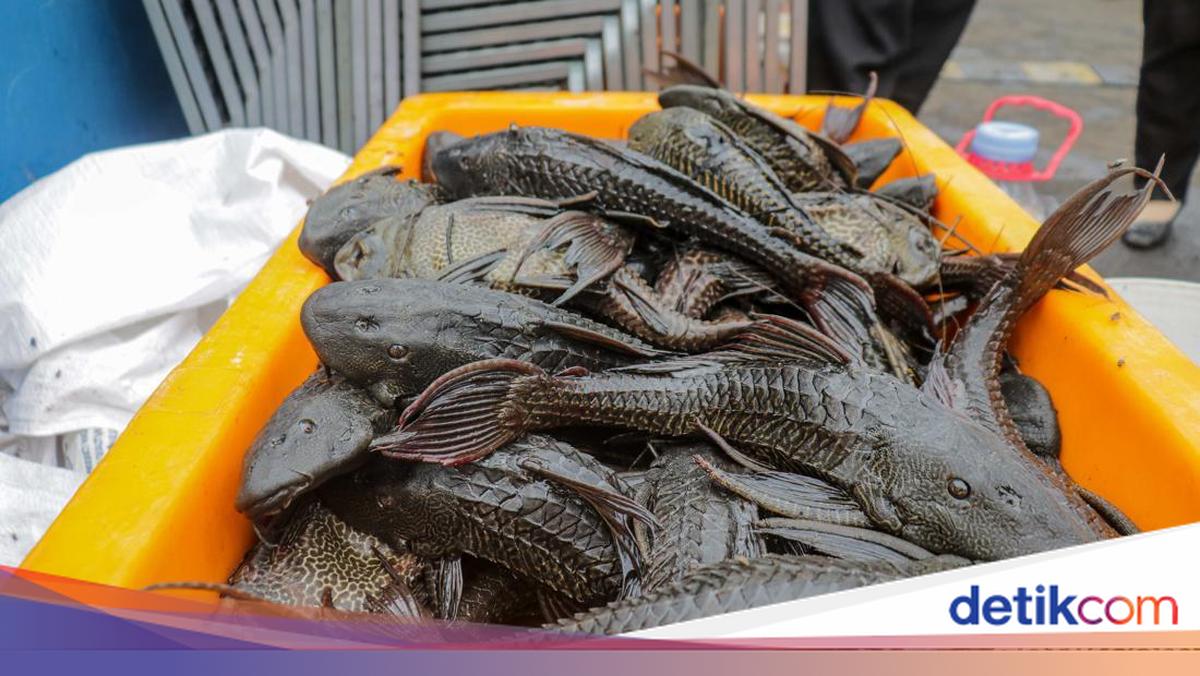
The sailfin catfish (Pterygoplichthys spp.) is one of the prominent invasive species in freshwater ecosystems, particularly in Indonesia. Its presence poses a serious threat to the environment by disrupting local biodiversity and damaging natural habitats. Initially introduced through the ornamental fish trade, this species has since proliferated rapidly in various waterways, competing with local fish for resources and altering ecosystem balance.
Recent studies indicate that populations of freshwater species, including those affected by invasives like the sailfin catfish, have declined by around 84% since 1970. This figure underscores the urgency of more serious efforts in monitoring and managing aquatic ecosystems.
In this context, artificial intelligence (AI) is beginning to play a crucial role as a transformative technology in detecting and managing invasive species. Advances in computer vision enable more efficient tracking of sailfin catfish through motion detection algorithms that can distinguish objects from their backgrounds, even when parts of the fish’s body are obscured.
For example, a simple and fast background subtraction script based on the Python programming language and OpenCV allows real-time video processing, enabling fish to be identified as they move through the water. This capability is vital for supporting ecological assessments and designing more effective control strategies.
However, the use of AI in biodiversity monitoring still faces major challenges, particularly regarding the quality and representation of training data. Many available datasets are fragmented or biased, which can reduce the accuracy of AI models. Therefore, comprehensive data collection efforts and robust validation methods are needed to improve the quality of AI-based analysis of invasive species populations like the sailfin catfish.
One emerging approach is citizen science, involving the public in biodiversity data collection via smartphone technology. This method is seen as capable of bridging data gaps while strengthening broader ecological monitoring systems.
From an impact perspective, the presence of sailfin catfish not only threatens ecosystems but also has social and economic implications. In some polluted waters, this fish is known to contain high concentrations of heavy metals, raising concerns about food safety and human health. This is a significant issue for communities, particularly fishermen and consumers of freshwater fish.
For stakeholders ranging from government, researchers, to fisheries actors, the utilisation of AI opens up great opportunities to enhance the effectiveness of aquatic resource management. This technology can support data-driven decision-making, accelerate early detection of invasive species spread, and bolster more targeted conservation policies.
Meanwhile, for the wider public, integrating technology and public participation through citizen science not only raises environmental awareness but also provides an active role in maintaining ecosystem sustainability. Thus, the combination of technological innovation and multi-stakeholder collaboration is key to addressing the sailfin catfish threat while promoting sustainable fisheries management in Indonesia’s waters.
Artificial Intelligence in Fisheries
Artificial intelligence (AI) is increasingly transforming the landscape of fisheries and aquaculture management. This technology offers innovative solutions for monitoring, behaviour analysis, and fish species identification.
As it develops, AI provides various tools that can enhance sustainability as well as operational efficiency in the fisheries sector.
One key breakthrough is the development of AI systems for identifying fish species, particularly in monitoring invasive species like the sailfin catfish. By leveraging computer vision algorithms, AI can analyse underwater images and classify fish species accurately.
This approach addresses the limitations of traditional methods that still rely on manual observation.
The success of these systems heavily depends on the quality of training data. The better and more representative the data used, the higher the identification accuracy achieved.
Monitoring Behaviour and Disease Management
AI also plays a vital role in monitoring fish behaviour and health in aquaculture systems. With the help of sensors and cameras, AI systems can detect early signs of stress or disease.
Research shows that advanced AI techniques can identify abnormal behaviours or physical conditions such as wounds or body colour changes, which indicate health issues. This approach enables faster interventions, reduces antibiotic use, and improves overall fish welfare.
In aquaculture practices, AI helps optimise feeding strategies tailored to individual fish characteristics, such as genetics, age, and weight. This not only boosts growth rates but also reduces feed waste.
AI-based models can also analyse environmental factors like temperature and nutrient levels to predict fish growth and devise optimal feeding schedules. The result is increased productivity alongside more sustainable aquaculture practices.
The future of AI application in detecting and controlling sailfin catfish populations in Indonesia’s waters looks highly promising. This technology is expected to play a key role in enhancing the effectiveness of invasive species management strategies, through predictive modelling, machine learning, and real-time monitoring systems.
AI has the potential to…