
Safeguarding the industrial lifeline from plastic supply disruptions
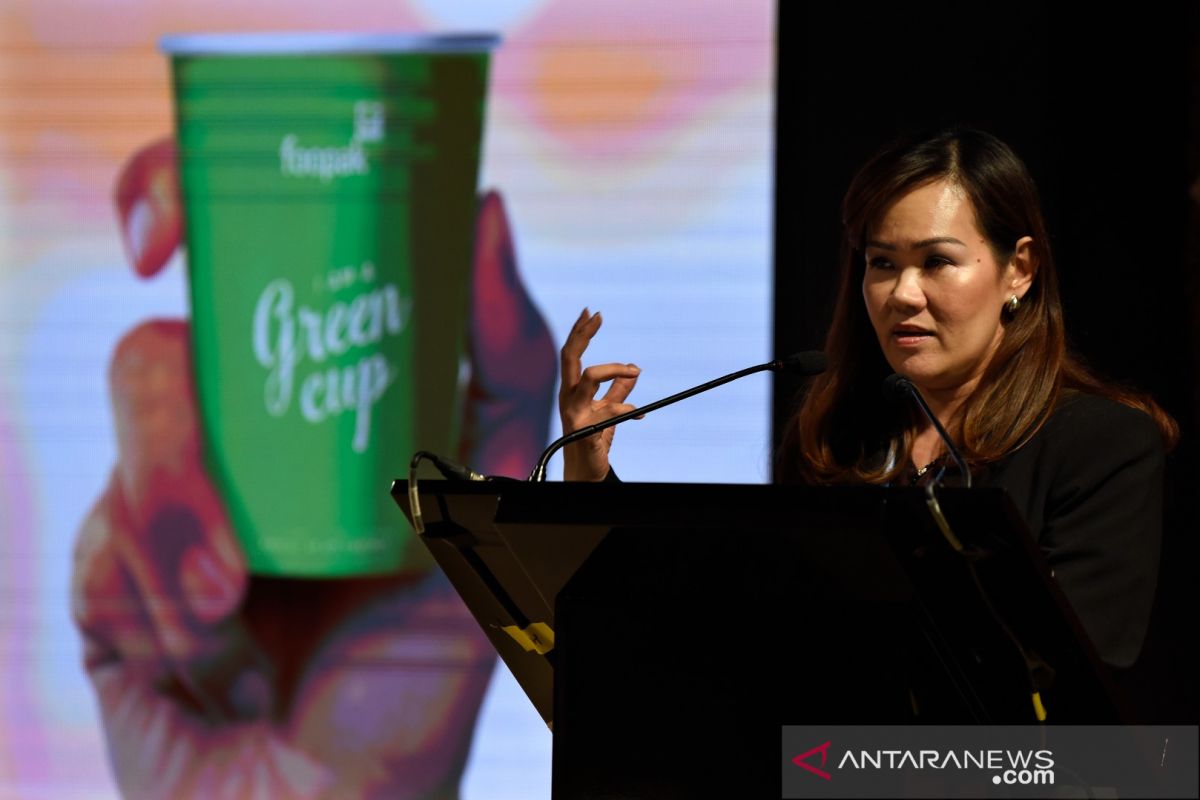
The Ministry of Industry is currently accelerating the use of non-plastic packaging, namely aseptic paperboard-based alternatives, as packaging options for industrial products.
Jakarta (ANTARA) - Recently, pressures from the conflict in the Middle East have disrupted the global supply chain of raw materials and plastic supplies. Plastic is an essential component supporting various sectors, particularly industry.
When plastic supplies are disrupted, the effects can spread widely from upstream to downstream industries, from producers to consumers.
Global geopolitical tensions and distribution route disruptions have delayed the delivery times of raw materials such as naphtha. Previously, distribution could be completed in two weeks, but now it can take more than a month.
These obstacles not only impact production delays but also increase logistics costs and, of course, pressure industry margins.
In such situations, the Indonesian government chooses not to be merely reactive.
Efforts to maintain national plastic resilience are being carried out comprehensively, from upstream to downstream, for large industries to small and medium industries (IKM).
Minister of Industry Agus Gumiwang Kartasasmita emphasised guarantees of plastic availability from industry players.
He stated that to date, the industry has still been able to maintain safe stocks, even as global pressures continue.
This statement serves as an important signal for the business world, given that supply is the main foundation for production sustainability.
Without it, industries risk capacity reductions or even operational halts on a certain scale.
On the other hand, industry players are also demonstrating their commitment to maintaining stability.
Domestic petrochemical producer Lotte Chemical Indonesia prioritises domestic market needs, especially for downstream sectors dependent on plastic raw materials.
This step is crucial to ensure that domestic needs do not lose out to export demands.
Moreover, for the food and beverage industry, plastic is more than just a complement. Without adequate packaging, the risk of product damage increases, ultimately reducing profits and supplies.
The Indonesian Food and Beverage Entrepreneurs Association (GAPMMI) emphasised that certainty of raw material availability is vital for maintaining production and food distribution continuity.
It also stressed that disruptions in the packaging sector can directly impact price stability and product availability in the market.
Efforts to maintain