
Safeguarding Fiscal Health, Said Abdullah Urges Government to Reallocate Non-Urgent Expenditure
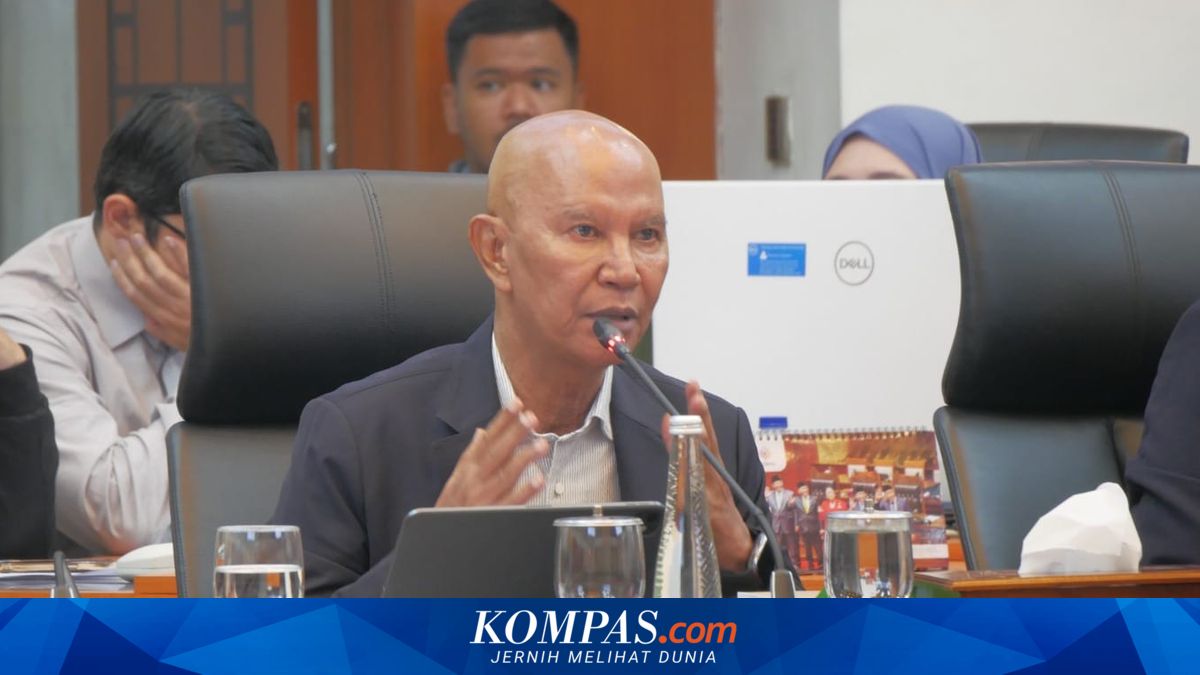
Chairman of the House of Representatives Budget Agency (Banggar) DPR RI Said Abdullah has stressed the importance of safeguarding the health of the State Revenue and Expenditure Budget (APBN) amid escalating global geopolitical conflicts.
According to him, global dynamics could potentially pressure Indonesia’s fiscal stability if not anticipated with appropriate measures.
To maintain a healthy, stable, and sustainable fiscal position, Said urges the government to reallocate state expenditures deemed non-urgent.
This step is considered essential to focus fiscal space on priority sectors that have a more direct impact on the economy and public protection.
He explained that such reallocation could be carried out on budget items that have not yet been disbursed by the State Treasury Budget Section (BA BUN).
Additionally, Said also provides room for the government to utilise the Excess Budget Balance (SAL) in a measured manner.
Based on his calculations, the current SAL position stands at around Rp 370 trillion. This is seen as a fiscal buffer in facing global uncertainties.
Said assesses that the size of the SAL indicates that the government still has sufficient manoeuvring room to maintain national economic stability without panicking. Moreover, there are still nine months left in the fiscal year.
Furthermore, Said stated that once reallocation has been carried out, the government must still maintain inflation targets and rupiah depreciation through a mix of fiscal and monetary policies.
“A mix of fiscal and monetary policies is needed, and their collaboration must be demonstrated to the public, both by Bank Indonesia (BI) and the government,” he asserted.
With a combination of expenditure reallocation, measured utilisation of SAL, and strong policy coordination, the government is expected to maintain the resilience of the APBN while ensuring national economic stability remains intact amid global geopolitical dynamics.