
Safeguarding Digital Spaces for Children
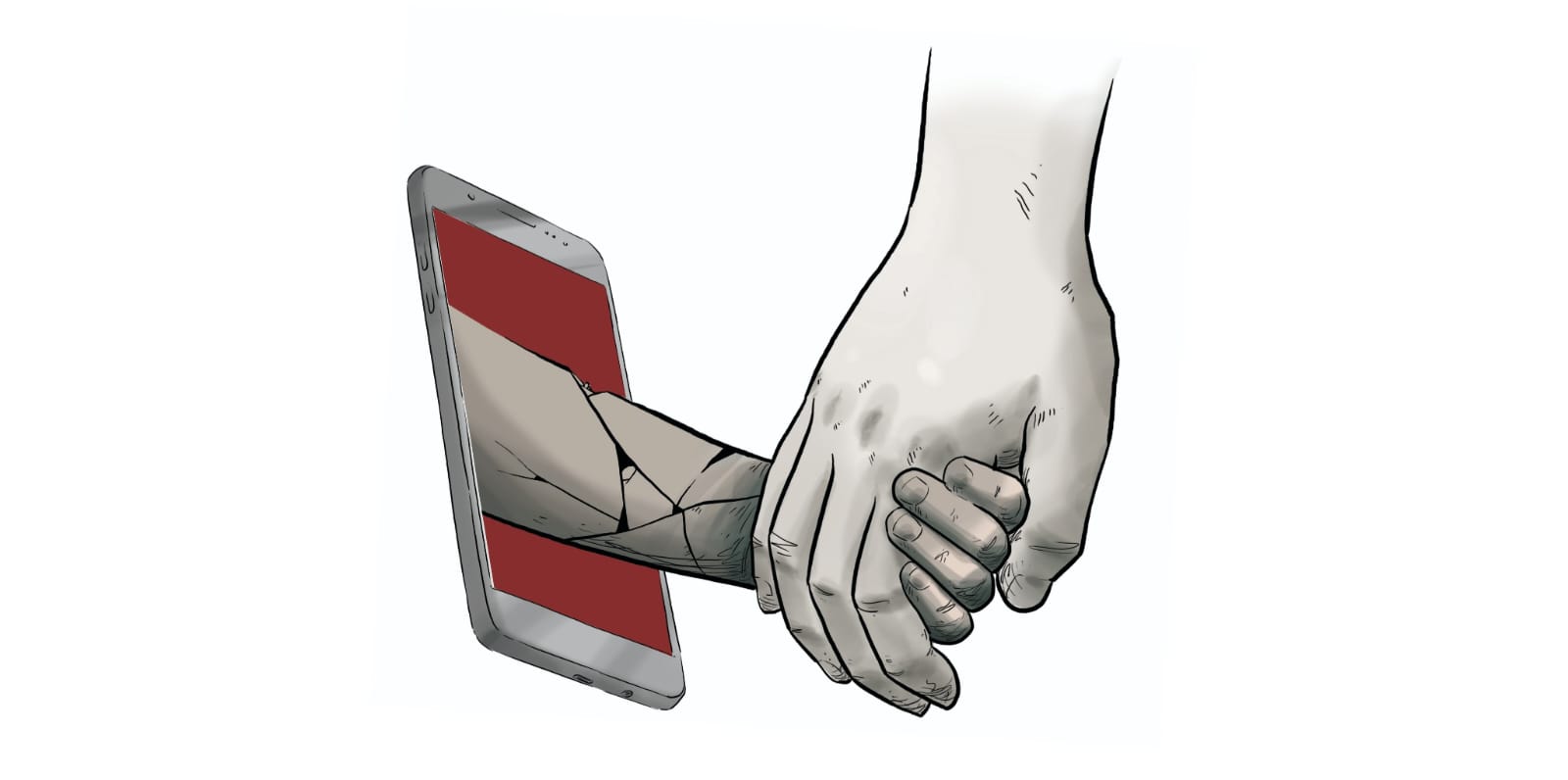
Children face increasingly serious threats in digital spaces—from pornography exposure, cyberbullying, to online fraud. The state cannot allow parents to fight alone against algorithmic forces.
This statement by Communications and Digital Minister Meutya Hafid represents more than a warning. It is an honest acknowledgement from a government minister that digital spaces, long regarded as spaces of freedom, harbour serious threats to child development.
THE MINISTERIAL REGULATION
To address these concerns, the government issued Ministerial Regulation of the Communications and Digital Ministry Number 9 of 2026 as an implementation rule for Government Regulation Number 17 of 2025 on Digital System Management in Child Protection (PP Tunas). Through this regulation, the government takes firm steps by suspending access to accounts of children under 16 years old on high-risk digital platforms, including social media.
Implementation will begin on 28 March 2026 with the deactivation of accounts belonging to children under 16 on high-risk digital platforms in accordance with applicable provisions.
The policy is not without reason. Reality shows that digital spaces have become a new arena that is not always safe for children. In 2023, a cyberbullying case occurred involving a celebrity content creator and a vocational student on work placement. The case was filmed and uploaded to social media, spreading rapidly. As a result of the spread, the student reportedly lost confidence and even considered abandoning their placement due to pressure after the video went viral.
Cyberbullying differs from conventional bullying, which is limited to physical spaces such as schools. Social media bullying can occur 24 hours a day and reaches a far wider audience. A single post can go viral within minutes and humiliate someone before thousands or even millions of people.
NEW PSYCHOLOGICAL PRESSURE
This phenomenon becomes increasingly complex because digital spaces have become part of everyday life for Indonesian children. A survey by the Indonesian Internet Service Providers Association (APJII) shows that Indonesia’s internet users have reached more than 221 million people, or nearly 80% of the total population.
Notably, almost half of these users are children and teenagers. This means digital spaces are no longer merely supplementary spaces but also part of the child’s environment for growth and development.
Additionally, digital spaces bring new psychological pressures to young people. Social media creates an intensely competitive culture of social comparison. Figures and lifestyles presented on social media that reflect perfection become a new standard for children to make social comparisons. This standard is often irrational because it shows only the appearance, not the process of achieving such perfection. Many teenagers ultimately feel their lives are not attractive enough when compared to what they see on their phone screens.
From the perspective of developmental psychology, psychologist Albert Bandura’s social learning theory explains that humans learn behaviour through observation and imitation. Children tend to imitate behaviour they see from figures considered popular or influential.
In the era of social media, such figures can be influencers, celebrities, or even followers. When children are continuously exposed to content displaying consumerist lifestyles, aggressive behaviour, or unrealistic beauty standards, such behaviour has the potential to become a model they imitate. Bandura also explains the concept of reinforcement in media exposure. With social media, behaviour reinforcement occurs through likes, comments, and follower numbers. For teenagers seeking social recognition, this mechanism can become a powerful psychological driver to continually present themselves in certain ways.
Erik Erikson’s psychosocial theory of personality explains that adolescence is the stage of identity versus role confusion. At this stage, teenagers are trying to understand who they are and how they want to be seen by others. Social media drastically expands this process of identity seeking.
Whereas previously social evaluation came only from family and school friends, teenagers now receive evaluation from digital spaces. Such public expectation becomes a source of stress if teenagers cannot escape their identity crisis. As a result, teenagers become less confident and experience social anxiety.
THE MORAL RESPONSIBILITY OF DIGITAL PLATFORMS
For these reasons, regulations such as Ministerial Regulation No. 9 of 2026 become very important. Through this regulation, the government also establishes a phased implementation of child protection policies on digital platforms. Initial implementation will begin on 28 March 2026, with the deactivation of accounts belonging to children under 16 on high-risk digital platforms. Platforms in this category include YouTube, TikTok, Facebook, Threads, Instagram, X, Bigo Live, and Roblox.
This measure sends a clear message: digital platforms can no longer regard themselves as merely neutral technology providers. They have moral and social responsibility to protect children. Digital platforms need to provide stricter age verification systems, content categorisation according to age groups, and swift reporting mechanisms for harmful content. Additionally, algorithm design must consider long-term psychological impacts on child and teenage users.