
Safe Ways to Clean Rat Droppings to Prevent Hantavirus Transmission
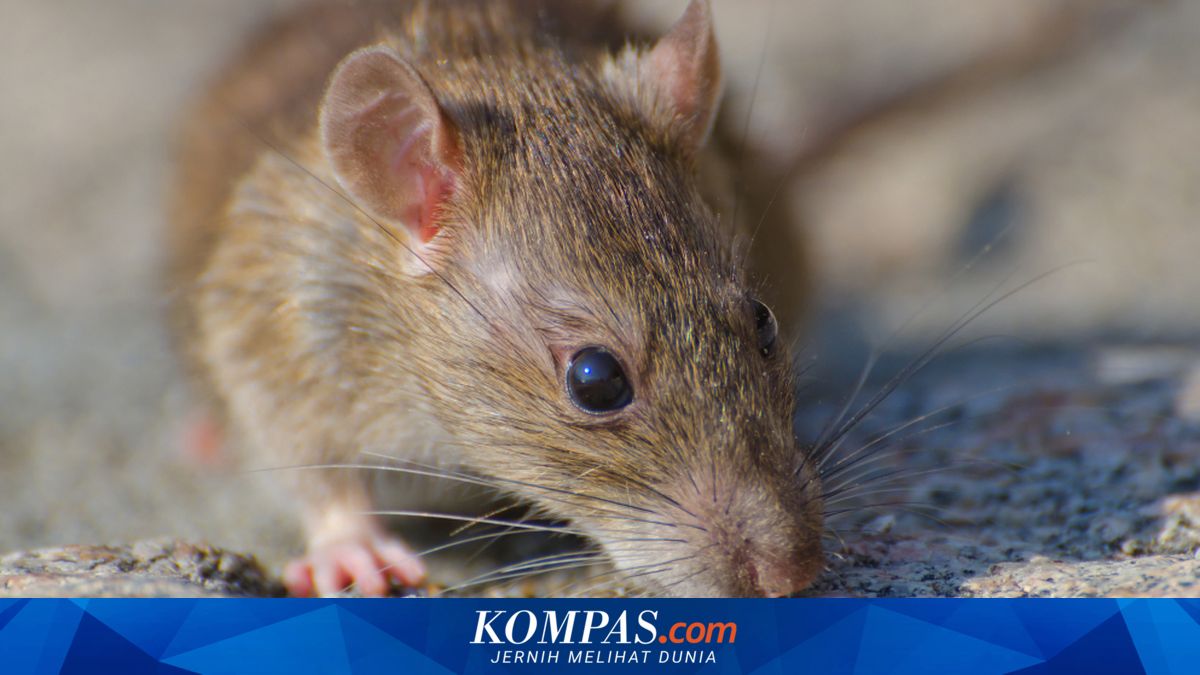
The re-emergence of hantavirus on the global stage has sparked concerns about the potential spread of a disease carried by rodents. In response, IPB University’s Head of the Health Entomology Laboratory at the Veterinary Medicine and Biomedical Sciences Faculty, Prof. Upik Kesumawati, urged the public to stay vigilant without panicking. Hantavirus is a group of zoonotic viruses, primarily carried by rats. In Indonesia, the virus has been detected through various studies since the 1980s.
Prof. Upik warned that sweeping or vacuuming dry rat droppings directly is extremely dangerous, as virus particles can become aerosolised and inhaled. ‘Do not sweep or vacuum nest material and dry droppings directly because viral particles can become airborne and inhaled. First wet the area with a disinfectant solution,’ Upik said, as quoted from IPB’s website. After spraying and moistening with disinfectant, the droppings may be cleaned safely to prevent the virus from becoming aerosolised in the air. In addition, transmission can occur via direct skin contact with rat droppings on wounds, and by consuming food contaminated with the virus.
Based on official guidelines from the Ministry of Health of the Republic of Indonesia (Kemenkes RI), hantavirus infection can typically progress to two clinical syndromes with relatively high fatality rates:
Early symptoms resemble influenza-like illness, including fever, muscle pains (especially in the thighs, back, and shoulders), malaise, headache, and nausea/vomiting. However, entering days 4 to 10, the condition of patients with HPS can rapidly deteriorate, characterised by coughing, acute shortness of breath, and a drastic drop in blood oxygen levels.
This variant is of particular concern because it has a rare ability to transmit between humans, though cases remain very rare.
As a mitigation step in home environments, the public is advised to: (Note: guidelines recommend population control of rodents and disciplined cleanliness to break the transmission chain.)
In home environments, population control of rodents and maintaining sanitary environmental cleanliness remain frontline measures to cut off the hantavirus transmission chain in communities.