
Safe, Secure and Happy Homecoming
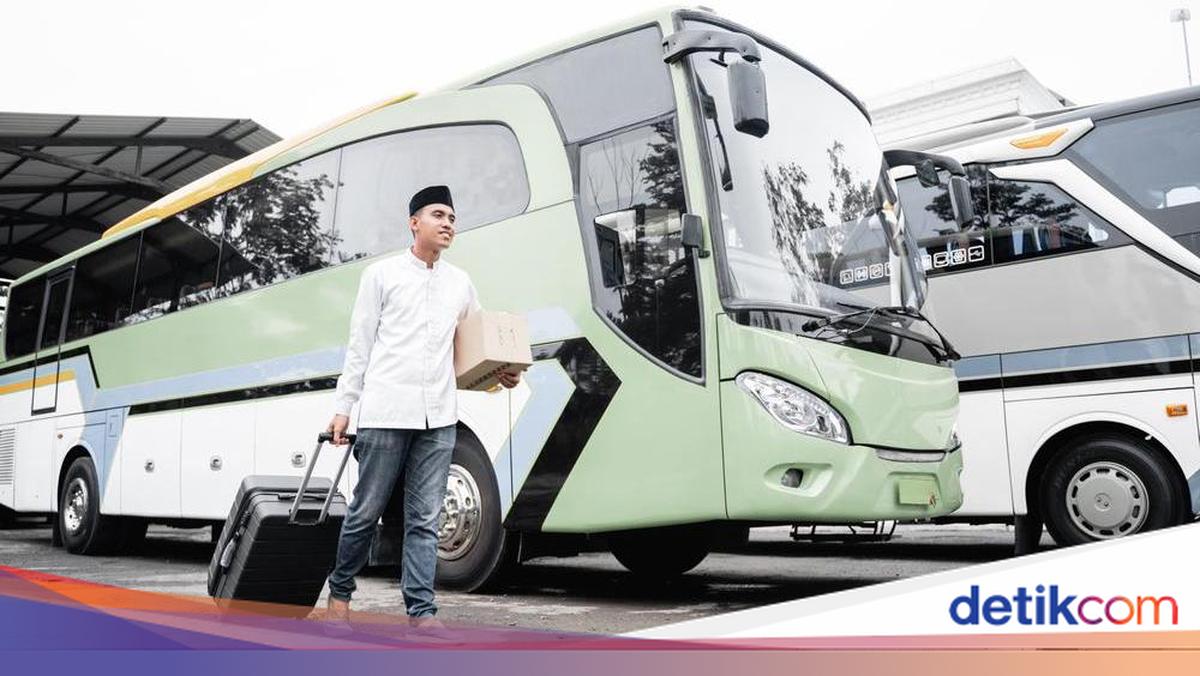
The celebration of Eid al-Fitr 1447 H according to the Islamic calendar is scheduled for 21-22 March 2026, though the actual date may shift depending on the start of Ramadan. The Eid celebration, commonly known as Lebaran, represents a major event for the Indonesian Government, particularly regarding transportation services for the homecoming exodus.
This is because millions of people will travel simultaneously towards similar destinations, with the largest concentration originating from the Greater Jakarta region. The tragic incident in 2016 when 17 people died in a traffic jam at the Brebes East Toll Gate (Brexit) has remained a significant concern for the Government in organising subsequent Lebaran homecoming transport services. Since 2017, the Lebaran homecoming transport operation has adopted a theme or tagline. The 2026 homecoming tagline is “Safe Homecoming, Happy Family,” though some suggest adding “Safe, Secure and Happy” to emphasise the paramount importance of safety in transportation.
According to a survey conducted by the Transportation Policy Board (Badan Kebijakan Transportasi) of the Ministry of Transportation, the peak outbound traffic during 2026 Eid is projected for 18 March (three days before Eid) and the peak return traffic for 27 March (six days after Eid), provided work-from-anywhere policies are implemented on 16-17 March during the outbound period and 25-27 March during the return period.
Homecoming movements fluctuate yearly. Between 2007 and 2019, outbound traffic showed an increasing trend. However, between 2020 and 2021, due to COVID-19 and travel restrictions, homecoming traffic was extremely low. Following the pandemic, homecoming traffic increased again. According to the Transportation Policy Board survey, the estimated number of travellers reached 79.4 million in 2022, 123.8 million in 2023, surging to 193.6 million in 2024, then declining to 146.48 million in 2025 (52% of the total population), and projected at 143.91 million in 2026 (50.60%), representing a 1.75% decrease. Thus, over the past two years there has been a declining trend compared to 2024.
The decrease in homecoming traffic is primarily attributed to sluggish national economic conditions, prompting many citizens to curtail travel during the 2025 and 2026 Lebaran periods. Civil servants in the Greater Jakarta region, who have historically dominated private vehicle usage, may see reduced numbers in 2026 due to cuts in their official travel allocations since 2025, which previously provided supplementary income.
The US-Israel conflict with Iran, which has implications for rising fuel prices, will further contribute to reduced homecoming traffic in 2026. Significant increases in fuel prices combined with high toll charges will increase private transportation costs, causing people to reconsider whether to travel. This is particularly true for families with limited means who are still financing their children’s education; they will prioritise school fees over homecoming travel.
Another contributing factor to the decline is that age groups who previously felt obligated to travel five years ago due to elderly parents no longer feel compelled to do so, as their parents have passed away. Consequently, the actual decrease could reach 10% from 2025 realisations rather than merely 1.75%. This decline will contribute to smoother traffic flow.
If the Government aspires to facilitate massive movement to stimulate regional economic growth, there remains an alternative: redirect the work-from-anywhere (MBG) budget allocated for 18-24 March to subsidise public transportation services, making them affordable to all citizens. Distributing work-from-anywhere benefits during Eid is clearly wasteful, given the daily budget of Rp 1 trillion. If this budget were redirected to subsidise public transport during Eid, it would certainly encourage more massive movement, thereby stimulating economic activity in the regions. Limited free homecoming quotas are insufficient to encourage widespread movement.
Increasing Safety
Safety concerns remain paramount during Lebaran homecoming operations. Safety is the primary and foremost consideration, as there is no benefit in travelling home if one does not arrive safely. The 2025 Lebaran homecoming transport services are commendable for reducing both the number of accidents and fatalities. There were 1,458 accident cases, a 31% reduction, whilst fatalities decreased to 419 deaths, representing a 53% reduction compared to the same period in 2024.
The reduction in accidents and fatalities during the 2025 Lebaran season merits recognition. The Head of the National Police Traffic Corps (Kakorlantas Polri), Inspector General Agus Suryonugroho, during the launch of Operation Ketupat 2026 (“Safe Homecoming, Happy Family”) organised by Korlantas Polri in collaboration with Detik, expressed hope that accidents and fatalities during 2026 Lebaran will further decrease given the Government’s improved preparations. The tagline “Safe Homecoming, Happy Family” is intended to inspire collective action towards realisation.
One effort to achieve safe and secure homecoming involves reducing the number of motorcyclists among travellers. This is based on two decades of data from Korlantas Polri indicating that motorcycles account for over 70% of traffic accidents, both in daily traffic and during Lebaran homecoming periods. Motorcycle travellers must be particularly cautious regarding damaged national and regional roads. Extra vigilance is especially necessary on regional roads where riders are already fatigued upon arrival, whilst road conditions are frequently potholed. The risk of traffic accidents increases significantly when potholes are obscured by rainwater and thus invisible.