
Safe Driving on Functionally Opened Toll Roads with Limited Lighting
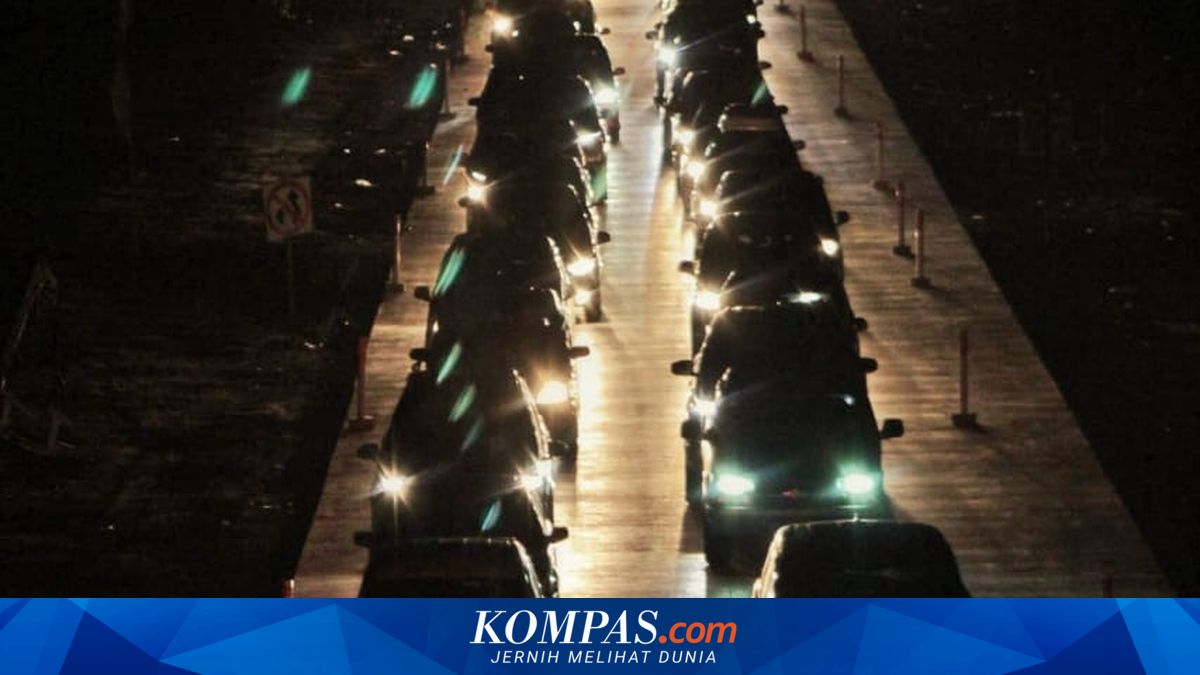
SOLO – A surge in vehicle traffic during the mudik holiday exodus period has prompted authorities to open several toll road sections on a functional basis to help relieve traffic congestion.
However, unlike fully operational toll roads, some functionally opened toll segments still have limited facilities, particularly regarding lighting and safety signage.
Although functionally opened toll roads are generally not operated beyond evening hours, drivers must remain vigilant as road conditions can become dark in the late afternoon, especially during overcast weather or reduced visibility.
“On typical routes, drivers are usually guided by reflective markers called cat eyes. The difference is that functionally opened toll roads often lack these devices, resulting in minimal lighting and minimal signage,” Sony told Kompas.com on Friday, 13 March 2026.
These devices help drivers identify lane boundaries in dark conditions. Meanwhile, on functionally opened toll roads, such facilities are often not yet fully available. Consequently, driver visibility becomes more limited, particularly at night or when driving through middle road segments far from toll gates.
He advised drivers not to drive excessively fast despite seemingly empty road conditions. Speed should be adjusted according to visibility range and the condition of road boundaries on both left and right sides.
“Don’t just press the accelerator even when the road is empty. Adjust your speed according to visibility distance and the condition of road boundaries (left and right), ideally a maximum of 60 km/h,” he said.
In addition, drivers must always be prepared to brake to anticipate potential hazards ahead of their vehicle.
“Be ready to brake or cover the brake to anticipate dangers ahead, such as people or animals crossing, motorcycles passing, flying dust, and so forth,” he said.
Sony also emphasised the importance of using headlights properly to maximise visibility without disturbing other drivers.
“Turn on high beam whenever the oncoming lane is clear, then switch to low beam so as not to disturb other drivers,” Sony said.
He added that drivers can also utilise the assistance of passengers to increase vigilance during the journey.
“Ask your co-driver to help guide the journey,” he said.
By increasing alertness and adjusting speed and visibility distance, drivers are expected to navigate toll road sections opened on a functional basis more safely despite limited lighting conditions.