
Safe Consumption Limits for Instant Noodles According to Doctors
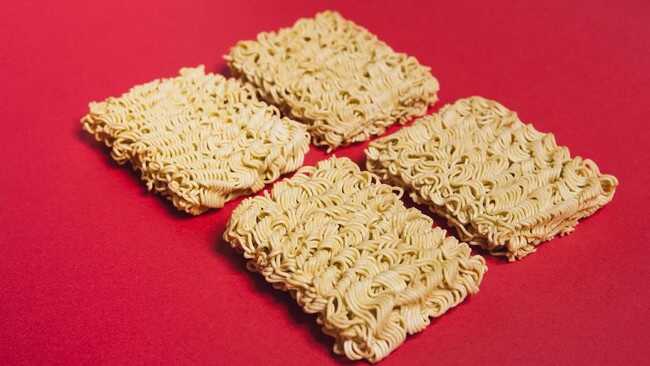
Instant noodles are a favourite food for many people, but their excessive consumption is frequently associated with health problems. Medical experts have issued warnings regarding the high salt and preservative content in a single serving.
An orthopaedic surgeon from Mumbai, Dr Manan Vora, has cautioned that excessive instant noodle consumption can have adverse effects on health. Through an Instagram video, he stressed that consuming instant noodles occasionally is not problematic, but making it a daily staple can damage health in the long term.
“Eating instant noodles occasionally will not damage your health, but if you rely on it every day, the impact will be felt. Switch to real food. Protect your gut, energy, and long-term health,” Dr Vora stated. “Instant noodles are not instant comfort, but instant damage,” he added.
According to Dr Vora, many people are already aware that instant noodles are an ultra-processed food. However, he believes the risk is actually increasing due to the growing popularity of extremely spicy products such as Buldak ramen, which is trending among Gen Z consumers.
Dr Vora identified three “red flags” commonly found in nearly all instant noodles that make them dangerous if consumed too frequently.
1. TBHQ: Synthetic preservative that triggers oxidative stress
One ingredient highlighted was TBHQ (Tertiary Butylhydroquinone), a synthetic preservative used to extend the shelf life of processed products. According to Dr Vora, TBHQ is an artificial antioxidant that keeps oils and fats from becoming rancid quickly, and can trigger oxidative stress if consumed frequently, placing additional strain on the body.
2. Polystyrene cups that release microplastics
Many cup noodle products use polystyrene packaging, a type of synthetic plastic. When hot water is added, the risk of microplastic release increases.
“Once you add hot water, microplastics can escape and enter your body. This increases inflammation and irritates the gut over time,” Dr Vora explained.
Microplastic exposure has been linked to various health disorders in several studies.
3. Artificial colourings, flavourings, and MSG that trigger cravings
Dr Vora also highlighted the high content of artificial colours, synthetic flavourings, and MSG (monosodium glutamate), all of which make instant noodles taste richer and more addictive.
“This is an ultra-processed formulation that makes the taste stronger, increases cravings, and is engineered to have a long shelf life,” he said.
Although instant noodles remain safe occasionally, Dr Vora emphasised that making them a primary food source can cause chronic inflammation, digestive disorders, accumulation of oxidative stress, and nutritional imbalances.
Meanwhile, Dr Sungadi Santoso (Dr Sung), a physician from Surabaya who frequently educates the public about daily food, revealed that instant noodles registered with BPOM have undergone safety testing, including sodium benzoate preservatives and tartrazine colouring, which are actually still safe if consumed within reasonable limits. However, the main problem emerges when someone eats instant noodles every day, sometimes multiple times daily.
Dr Sung explained that instant noodles are high in carbohydrates and fats but low in protein, vitamins, minerals, and phytonutrients. If made a daily menu without additional nutritional supplementation, the body can eventually experience nutritional deficiencies, such as iron, calcium, and essential vitamin shortages.
“This condition can cause a person to become easily fatigued, drowsy, have difficulty concentrating, and be susceptible to illness,” Dr Sung stated.
He also highlighted the very high sodium content in instant noodle seasonings. If consumed continuously, excessive salt intake can trigger high blood pressure and other disorders.
“Initially the body can adapt, but over time the preservatives and colourings that should be neutralised accumulate instead. Body weight increases, obesity risk rises, and other degenerative diseases emerge,” he explained.