
Sacrificial Waste Can Be Converted into Organic Fertiliser
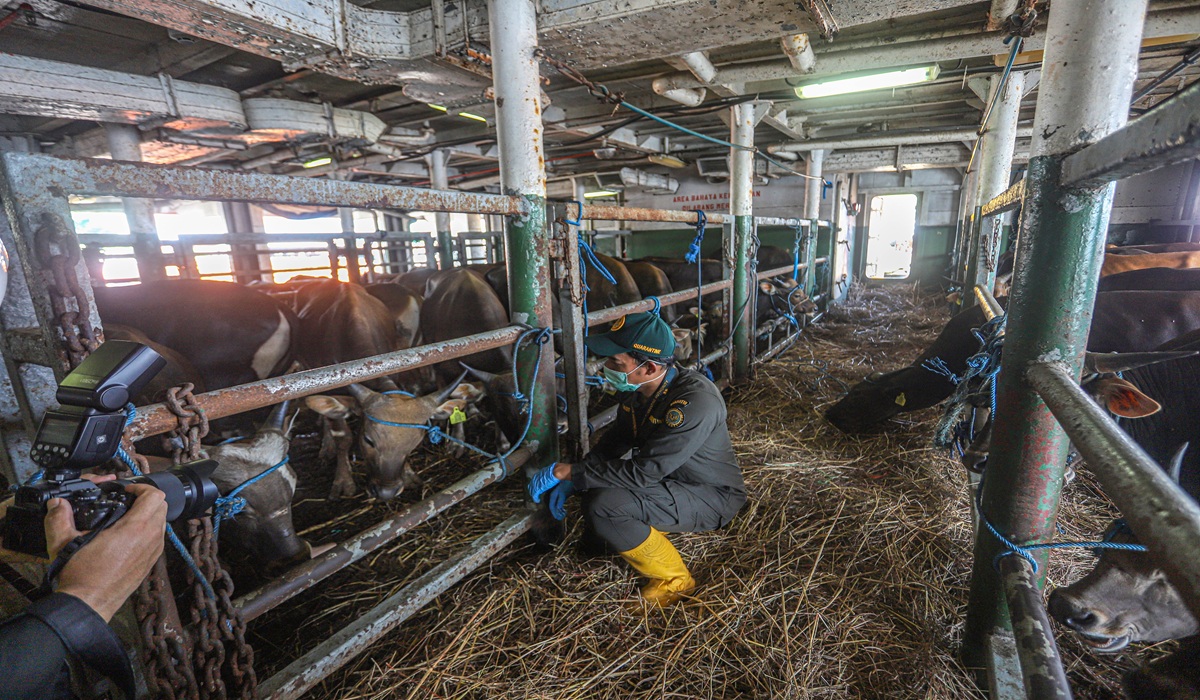
Leading up to Eid al-Adha, the surge in sacrificial animals has once again raised concerns about waste that could pollute the environment if not properly managed. IPB University expert Salundik stated that sacrificial animal waste requires proper handling due to its large volume and widespread distribution.
According to him, sacrificial waste falls into two main types: sales area waste and slaughter site waste. Sales area waste typically consists of animal manure and leftover green feed that accumulates as animals are held before Eid al-Adha.
‘Since livestock is gathered in large numbers around 20 days before Eid al-Adha, the accumulation becomes massive,’ Salundik said on Tuesday (26 May).
He explained that 50 cows, each producing around 20 kilograms of manure daily, could generate up to 20 tonnes of waste during the holding period.
Meanwhile, slaughter site waste poses higher risks as it includes blood, rumen contents, and digestive tracts, which could cause contamination, especially in urban areas with limited land.
‘Waste from slaughter sites requires special handling due to higher contamination risks,’ he said.
Salundik urged the public to utilise organic waste from sales areas, such as faeces and feed remnants, to create value-added products.
He noted that this waste can be processed into organic fertilisers like compost or vermicompost.
‘Faeces and feed remnants can be turned into organic fertilisers such as compost or vermicompost. This is a practical solution that also offers economic value,’ he explained.
However, he acknowledged that managing slaughter site waste remains challenging due to uncertain livestock numbers, scattered slaughter locations, and limited processing land.
He stressed that sacrificial waste management needs to be more planned and coordinated, particularly in urban areas. Besides reducing environmental pollution, utilising organic waste can support sustainable circular economy practices. (H-4)