
Russia-China Veto, US-Iran War, and the Reasons the World is Now Awaiting 'Hell Day'
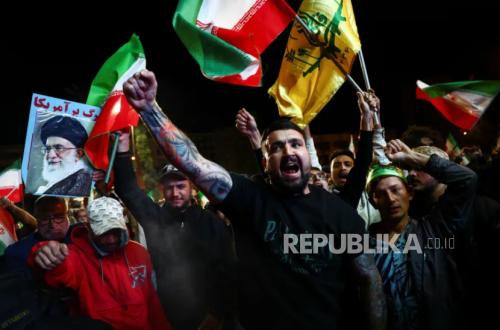
Amid the escalation of war between the United States and Iran, the world seems to stand on the edge of an abyss. The threat issued by Donald Trump of a massive attack, described by some analysts as “Hell Day,” is not mere military rhetoric. It portrays the possibility of systemic destruction: total power outages, disruption of water supplies, and the collapse of civilian life within days. This threat does not arise in a vacuum. It stems from a long impasse at the negotiating table. After more than 40 days of war, both sides have arrived with mutually opposing demands. The United States has proposed a package of tough demands that essentially require Iran to halt its entire nuclear programme, open full access for inspections, limit missile capabilities, and sever support for regional allied networks. In contrast, Iran has come with equally substantial demands: a complete cessation of aggression, lifting of sanctions, war compensation, recognition of its role in the Strait of Hormuz, and the withdrawal of US military forces from the region. These differences are not merely technical but reflect two clashing world visions. For Washington, this is an effort to maintain dominance and the security of allies. For Tehran, it is an existential struggle to preserve sovereignty. This impasse is further exacerbated by the failure of global diplomacy. The United States’ attempts to gain legitimacy through the UN Security Council, particularly to secure energy routes in the Strait of Hormuz, have failed following the exercise of veto rights by Russia and China. The resolution expected to serve as the basis for international intervention collapsed before it could be implemented. This demonstrates that the world is no longer under a single axis of power. Even global institutions like the UN are unable to act as effective mediators in conflicts of this magnitude. In such a situation, the “Hell Day” threat becomes the last resort, a unilateral military path that risks triggering far wider destruction. Especially when the conflict has touched a sensitive point: no longer just oil, but water.