
Rushing on the Road, Stopped Forever
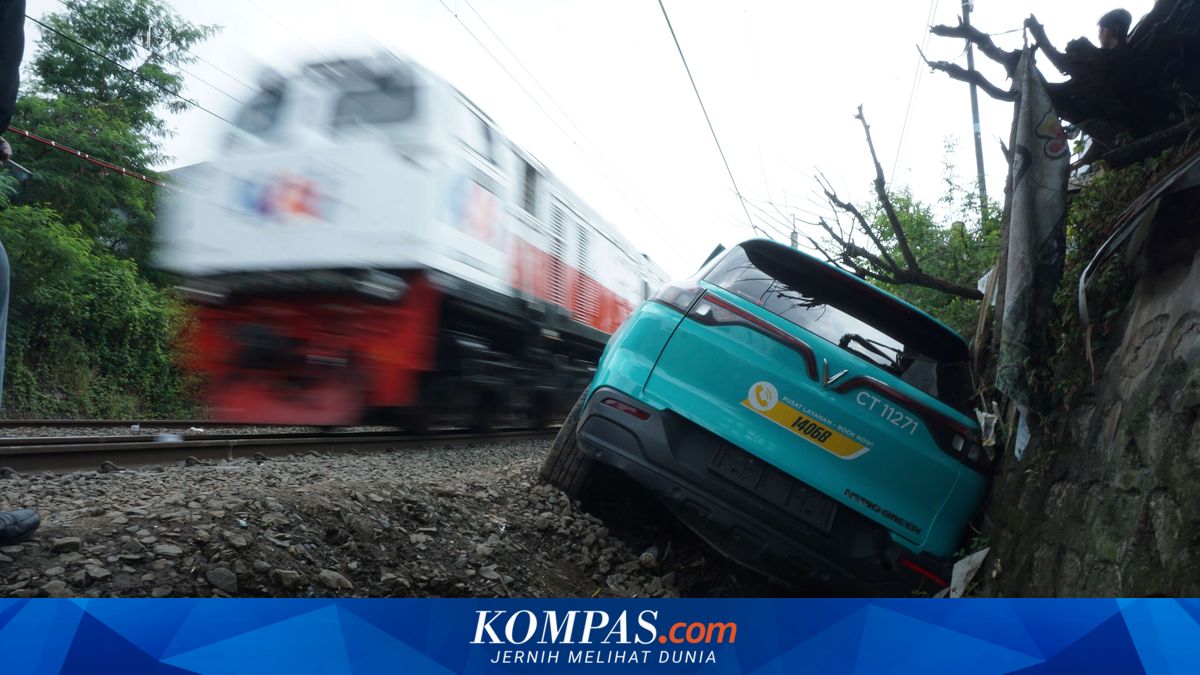
One second to cross the railway barrier may seem like a trivial decision. Yet, for some people, it becomes the last second of their lives.
The train accident that occurred in Bekasi some time ago serves as a bitter reminder. A chain of events began with a vehicle trapped at the crossing, leading to a fatal collision.
The incident between the long-distance train and the commuter train killed at least 15 people and injured dozens of others.
This tragedy is not merely an accident but a reflection of a recurring problem: impatience on the roads.
Level crossings are points where railway tracks meet roads, making them one of the most vulnerable areas.
Data shows that Indonesia has thousands of such crossings, including hundreds without adequate safeguards.
In the past five years alone, around 1,499 accidents have been recorded at railway crossings. Most of these incidents involved violations by road users.
These figures are not just statistics but stories of lives lost. These events often occur due to one simple thing: unwillingness to wait.
The phenomenon of crossing barriers is no longer a rare occurrence. In many situations, it has even become something considered “normal”.
We often see drivers choosing to proceed when the warning lights are already flashing. Some cite being in a hurry, while others simply follow the flow.
In this situation, individual decisions turn into collective behaviour. The problem is that what is at stake is not just time, but safety.
Impatience on the roads reflects something deeper, namely a culture of instant gratification. We are accustomed to wanting things quickly, to arriving immediately, and to overtaking.
In this logic, waiting is seen as a loss. However, in the context of safety, waiting is actually an investment.
Railway crossings are not merely physical spaces but spaces of rules.