
Rushing B50: Chasing Targets, Forgetting Research?
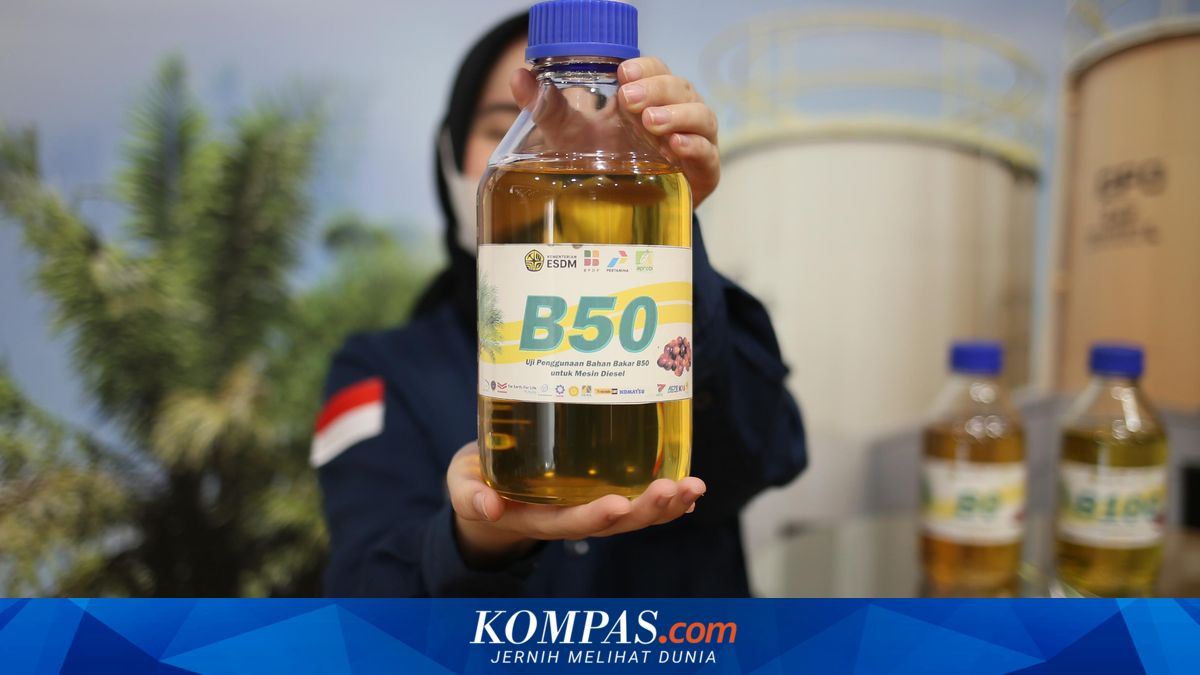
Indonesia has just announced something that no other country in the world has ever done. Starting from 1 July 2026, all diesel fuel in Indonesia must contain 50 percent biodiesel based on palm oil. This policy is known as B50. It places Indonesia in an unmatched position on the global biofuel policy map, as no other country has been as ambitious in enriching biodiesel. It may even seem hasty and somewhat forced, even though the road test is not yet complete and the factory capacity is not sufficiently established. In comparison, the European Union limits the biodiesel blend to 7 percent. Brazil, long considered the world leader in biofuel programmes, took 15 years to increase from B2 to B15. The United States is still struggling to pass B20. Indonesia, in a single announcement, has leapfrogged all of them at once. The question is not whether this ambition is correct in terms of regulation, but whether the foundation to support this ambition is truly capable of meeting national needs. The B50 announcement on 1 April 2026 is not purely from a well-prepared plan that has been in place for years. The policy was rushed due to the war in Iran driving global crude oil prices above 100 US dollars per barrel, and the price spread between fossil diesel and palm-based biodiesel narrowing dramatically to the lowest point in the last 41 months. However, three months later, the position completely reversed. B50 was announced to take effect from July 2026. Such a rapid change in direction is not a sign of policy flexibility, but an indication that external pressures have overwhelmed internal preparedness. The government began B50 road testing in August 2025, covering passenger vehicles, trains, ships, heavy equipment, and power plants. Protocols for such testing require six to eight months of continuous operation to validate compatibility. When B50 was announced in April 2026, the testing was actually not yet complete. This fact is not a technical detail that can be ignored. Research by the International Council on Clean Transportation (ICCT) confirms that blends from B30 to B40 already exceed manufacturer specifications for most vehicles operating on Indonesia’s roads. Vehicle manufacturers globally only provide warranties up to B5 or B10. B20 is the absolute limit in certain highly controlled applications. B50 is uncharted territory for anyone in the world for mass application on unmodified engines. The Indonesian Mining Association has expressed strong rejection of the policy’s implementation. Not because they do not support the energy transition policy, but because their heavy equipment—worth billions of rupiah—is designed for fuel standards that are far different. Manufacturer warranties will be voided. Maintenance cycles will shorten. Operational costs will rise, without any subsidy compensation because this sector falls into the non-PSO category. On the supply side, to meet B50 needs consistently across the Indonesian archipelago, five new biodiesel factories are required, each with a capacity of one million kilolitres per year.