
Rupiah Weakens to Rp17,105 as US-Iran Conflict Threat Shakes Markets
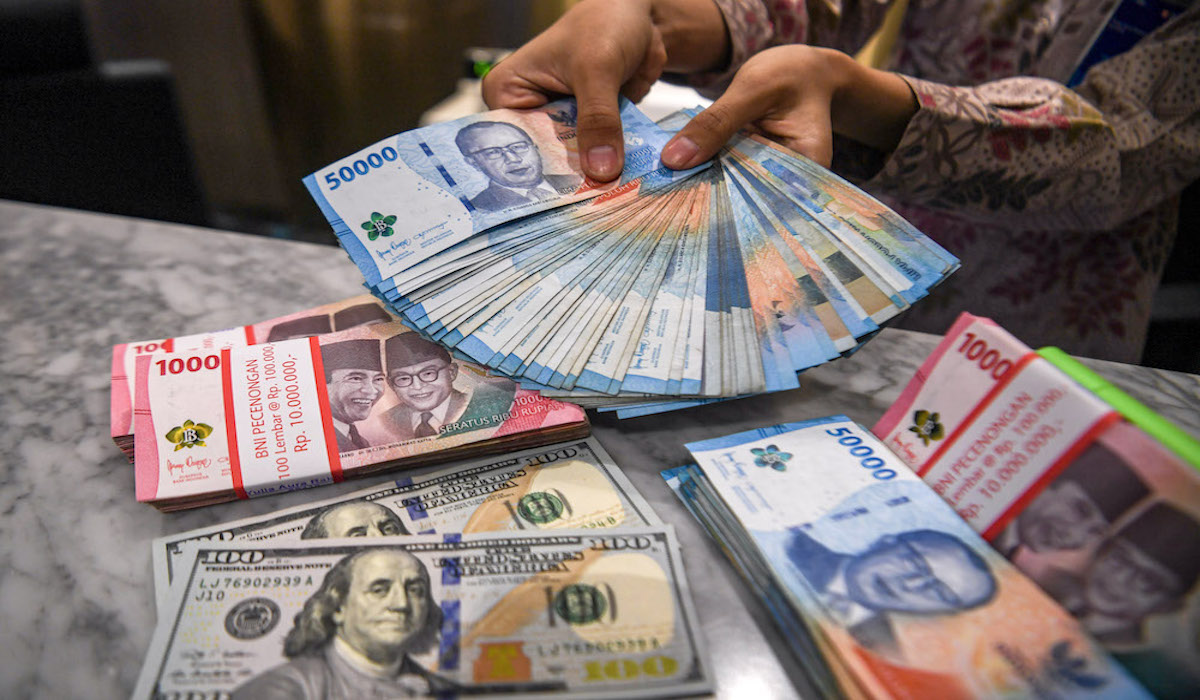
The rupiah exchange rate closed weaker in Tuesday afternoon trading, dragged down by rising market concerns over the potential escalation of conflict between the United States and Iran. Increasing geopolitical pressure has led market participants to avoid risky assets and seek refuge in the US dollar.
At the close of trading, the rupiah fell 70 points or 0.41% to Rp17,105 per US dollar, compared to the previous close at Rp16,980 per US dollar.
Currency and commodity analyst Ibrahim Assuaibi believes this rupiah weakening is inseparable from the heightened tensions in the Middle East, especially ahead of the deadline given by US President Donald Trump to Iran regarding the reopening of the Strait of Hormuz.
According to him, the market is now preparing for the worst-case scenario. Disruptions to tanker routes in recent weeks have tightened global energy supply projections and raised risk premiums, particularly in the oil market.
Iran, Ibrahim continued, has rejected the US proposal, which includes a 45-day ceasefire and the gradual reopening of the Strait of Hormuz, while discussing broader negotiations on lifting sanctions and reconstruction. Instead, Tehran demands a permanent end to the conflict, binding guarantees against repeated attacks, the lifting of sanctions, and compensation for damages caused.
On the other hand, Trump is said to have emphasised that the Tuesday deadline is final. If Iran does not comply, Washington is reportedly considering strikes on key Iranian infrastructure, including power plants and bridges. This statement clarifies that the risk of broader conflict is no longer a vague threat but a tangible factor now being priced into the market.
This tension is assessed to have disrupted perceptions of global energy supply stability. As a result, oil prices have been pushed higher, inflation concerns have resurfaced, and the room for manoeuvre for central banks, including the Fed, has become increasingly complicated.
In addition to geopolitical factors, investors are also holding positions ahead of the release of US inflation data on Friday. That data is seen as crucial because it will provide new clues on the direction of Federal Reserve interest rate policy.
In line with the rupiah’s weakening in the spot market, Bank Indonesia’s Jakarta Interbank Spot Dollar Rate (JISDOR) also fell to Rp17,092 per US dollar, from the previous Rp17,037 per US dollar.
The rupiah exchange rate against the US dollar continues to face pressure at the opening of Tuesday morning trading, 7 April 2026.
The weakening of the rupiah exchange rate against the US dollar is assessed to have the potential to trigger a rise in national food prices due to increased import and agricultural production costs.
Economist from Indef, Rizal Taufikurahman, assesses the probability of rupiah weakening at the start of trading as quite high in line with the increasing Iran-Israel and US conflict.
Indonesia Head of Research at DBS Group, William Simadiputra, believes the US Dollar Index (DXY) is still moving volatilely.