
Rupiah Weakens to Rp16,868 per US Dollar Amid Middle East Conflict
The brutal and deadly attack by Israel and the United States on Iran on Saturday, 28 February, shocked the world.
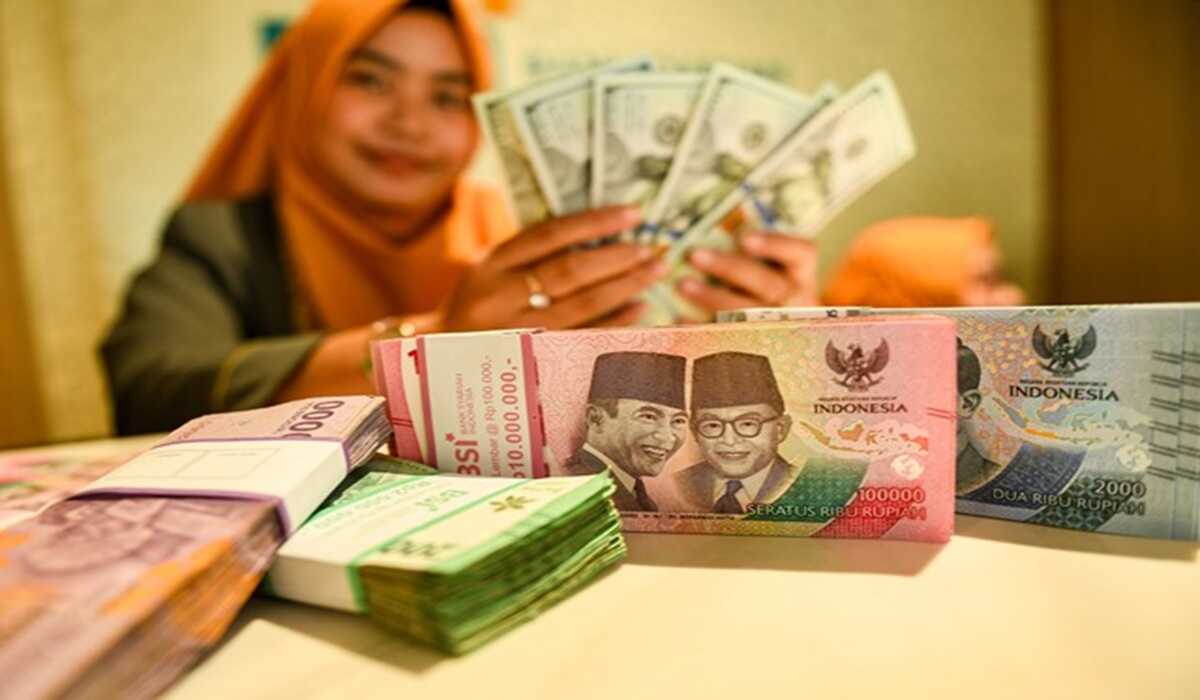
The rupiah closed weaker by 81 points, or 0.48 per cent, at Rp16,868 per US dollar on Monday, 2 March. According to Permata Bank Chief Economist Josua Pardede, the rupiah’s weakness was triggered by war in the Middle East.
From a financial markets perspective, Pardede explained, the conflict between Iran, the United States, and Israel is prompting investors to reduce exposure to risky assets and shift funds to safer alternatives, causing the US dollar to strengthen and increasing funding costs for developing nations.
In addition, he noted that beyond rupiah weakness, Iran’s closure of the Strait of Hormuz could cause market turbulence, particularly supply disruption risks affecting the Indonesian economy.
As tensions escalate in the Middle East between Iran, the United States, and Israel, oil and liquefied natural gas tankers in the Strait of Hormuz are being held up. Activities at major ports have been temporarily suspended, causing shipping and insurance costs to rise whilst energy supply pressures increase.
“Market attention is now turning to the Strait of Hormuz because tanker flows could slow or be halted, with shipping and logistics also disrupted,” he said on Monday, 2 March.
This, he suggested, could drive global energy inflation. Oil prices, he added, have surged sharply.
According to his assessment, a full closure of the Strait of Hormuz could push oil prices beyond the $100 per barrel level. Although currently trading around $76.4 per barrel.
The closure of the Strait of Hormuz impacts global supply chains. Any minor shocks, he said, could cause logistics costs to rise.
“Projections of oil tanker rental rates potentially reaching 300,000 US dollars per day demonstrate the magnitude of pressure on energy transport costs as Strait of Hormuz risks increase,” he explained.
A stronger dollar and rising oil prices, according to him, make the currencies of energy-importing nations more vulnerable to pressure. Bank Indonesia (BI) has stated it will continue to monitor financial market dynamics carefully and respond appropriately to maintain rupiah stability amid the Middle East conflict.