
Rupiah Weakens Due to Increased Demand for Safe Haven Assets
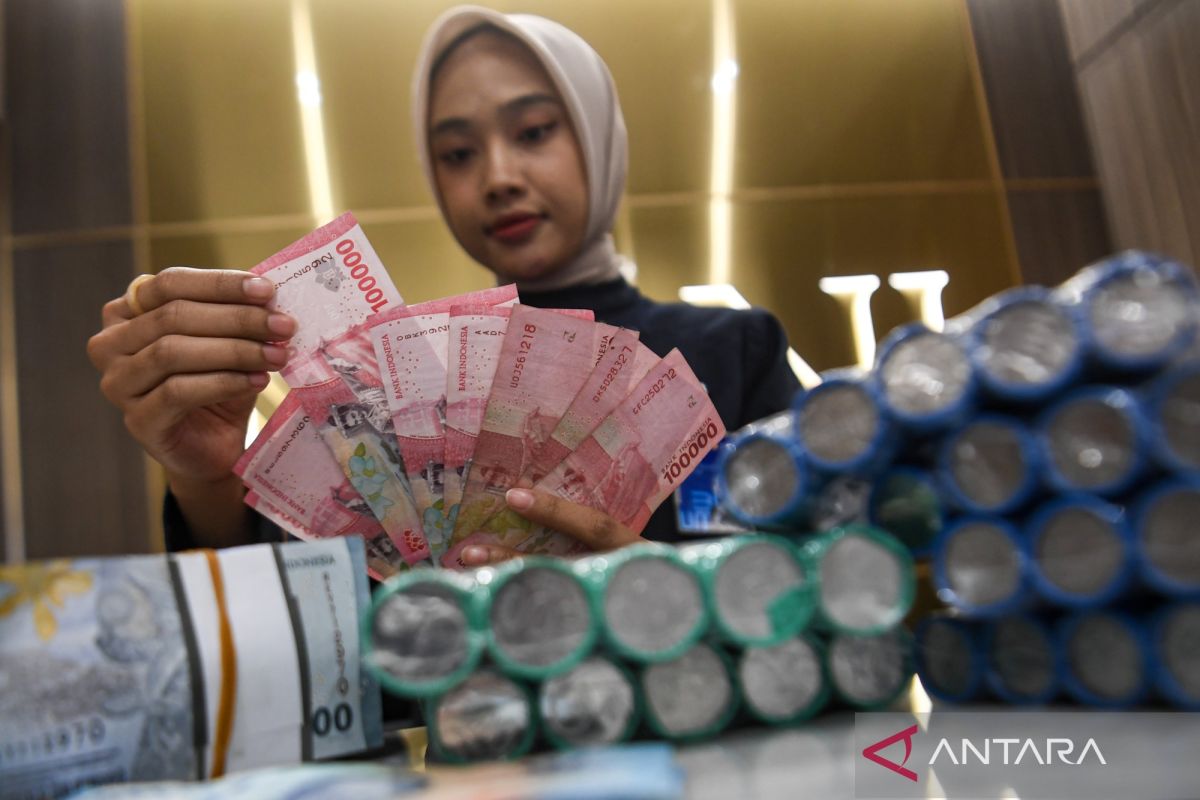
Jakarta (ANTARA) - The rupiah exchange rate closed lower today, weakening by 83 points or 0.48% to Rp17,326 per US dollar from the previous close at Rp17,243 per US dollar. Muhammad Amru Syifa, Research and Development at the Indonesia Commodity & Derivatives Exchange (ICDX), stated that the rupiah’s depreciation was triggered by increased demand for safe haven assets amid geopolitical tensions in the Middle East. “From a global perspective, the rupiah is under pressure from the stable US dollar index at a high level (around 98.6) and rising safe haven demand due to Middle East geopolitical tensions,” he told ANTARA in Jakarta on Wednesday. Concerns over global inflation stemming from rising energy prices are further strengthening the US dollar and prompting capital outflows from emerging markets, including Indonesia. Additionally, expectations that the US Federal Reserve will maintain high interest rates for longer are limiting room for rupiah appreciation. Furthermore, he explained that the issue of replacing the Federal Reserve Chair adds to the uncertainty. “If Jerome Powell’s successor leans more hawkish, markets will anticipate prolonged high interest rates, potentially strengthening the US dollar and pressuring the rupiah. Conversely, if policy direction is more dovish, this could open space for stabilisation or rupiah strengthening,” he said. Looking at domestic sentiment, Indonesia’s economic fundamentals are considered relatively stable, with inflation still within target and Bank Indonesia’s interest rate at 4.75% to safeguard exchange rate stability. Amru opined that macroeconomic indicators also show a fairly solid condition, reflected in sustained economic growth and a resilient financial system. However, according to him, dominant external pressures are limiting policy space, making rupiah movements vulnerable to global dynamics. To maintain stability, Bank Indonesia relies on interventions in the spot market, while being active in the Non-Deliverable Forward (NDF) and Domestic Non-Deliverable Forward (DNDF) markets. “This strategy is deemed effective in managing market expectations without significantly depleting foreign exchange reserves, although structural challenges related to external resilience still need to be monitored,” Amru stated. According to him, market participants are also cautious ahead of key data releases this week, including April inflation and March trade balance. Previous data showed March inflation slowing to 3.48%, though risks of an increase remain open due to high global oil prices. “On the other hand, the February trade surplus was below expectations due to a surge in imports, raising concerns about external balance,” the ICDX Research and Development stated. Bank Indonesia’s Jakarta Interbank Spot Dollar Rate (JISDOR) on Wednesday also moved lower to Rp17,324 per US dollar from the previous Rp17,245 per US dollar.