
Rupiah Weakens as US Dollar Approaches Rp17,000
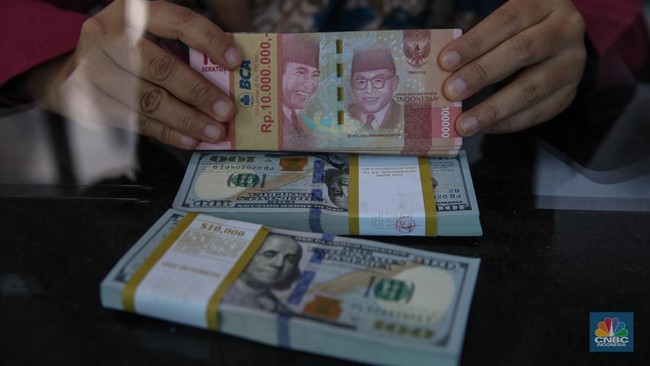
Jakarta – The rupiah opened the first trading session of the week on Monday, 9 March 2026, with depreciation against the US dollar, as the greenback strengthened in global markets.
According to Refinitiv data, the Indonesian currency opened depreciated by 0.47% to the position of Rp16,980 per US dollar. This followed the previous week’s close on Friday, 6 March 2026, when the rupiah had weakened 0.15% at the level of Rp16,900 per US dollar.
Meanwhile, the US dollar index (DXY) at 09:00 WIB was observed to strengthen sharply by 0.68% to the level of 99.655.
The rupiah’s movement in today’s trading remains shadowed by external sentiment, particularly the strengthening of the US dollar in global markets.
The US dollar index continues to strengthen and move towards the highest level in more than three months. This strengthening occurs as world oil prices have broken through US$100 per barrel, amid concerns that prolonged conflict in the Middle East could trigger disruptions to global energy supplies over a longer period.
These conditions are driving increased demand for safe-haven assets, including the US dollar. This demonstrates that investors are once again redirecting their funds to dollar-denominated assets amid high global uncertainty. As a result, emerging market currencies, including the rupiah, are again coming under pressure.
On the other hand, market participants are also beginning to adjust inflation expectations following the outbreak of conflict last week. This situation reinforces the view that the US central bank, the Federal Reserve, will likely delay interest rate cuts.
At the same time, the geopolitical situation in the Middle East has also not shown signs of abating. Iran appointed Mojtaba Khamenei, son of Supreme Leader Ayatollah Ali Khamenei, as successor to Iran’s top leader. This step signals that hardline groups still hold strong control in Tehran amid conflict with the United States and Israel.
These developments further heighten market concerns. Particularly, US President Donald Trump had previously been reported to reject Mojtaba as a figure.
With no signs yet of the Middle East conflict ending, while tanker ships remain reluctant to transit the Strait of Hormuz, market participants are now preparing for the possibility of a prolonged period of high energy prices.