
Rupiah weakens as Strait of Hormuz remains closed
General sentiment remains risk-off, oil prices are still high, the Strait of Hormuz remains closed, and investors are not yet fully confident.
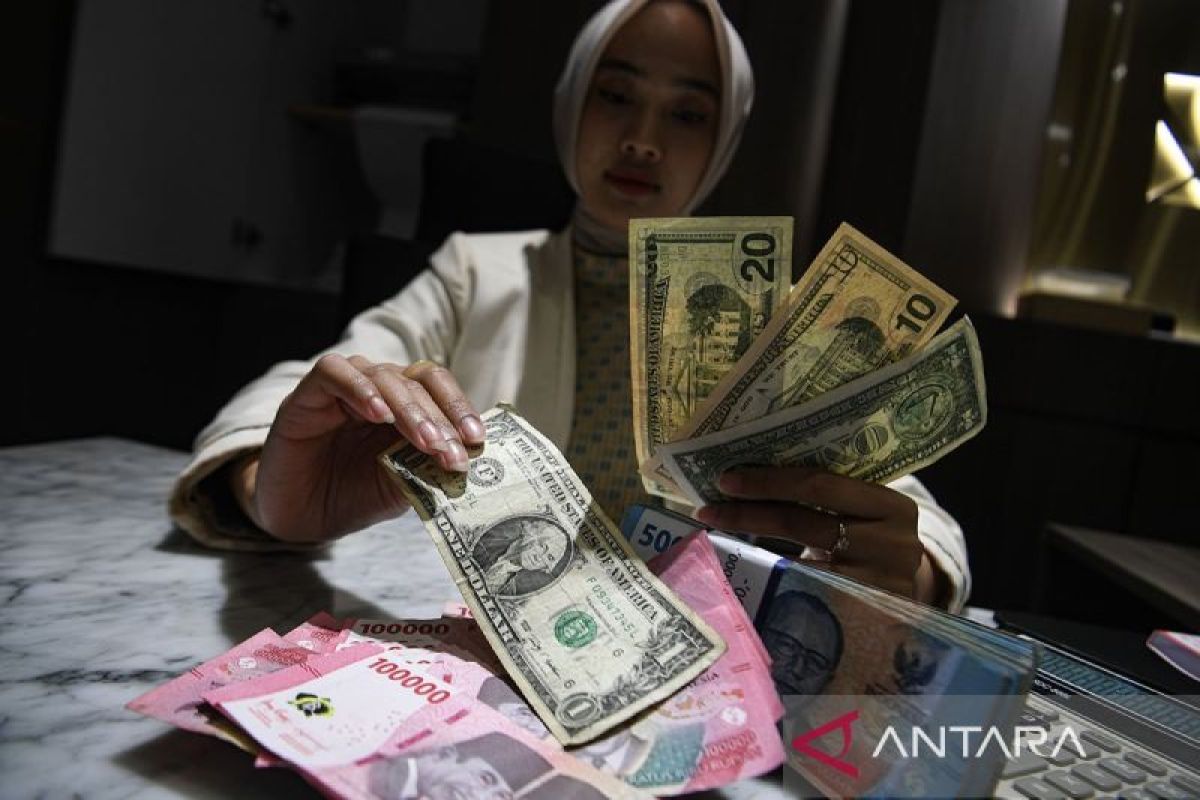
Jakarta (ANTARA) - The rupiah exchange rate opened lower in trading in Jakarta on Wednesday morning, weakening by 22 points or 0.13 percent to Rp16,920 per US dollar from the previous close of Rp16,898 per US dollar.
Currency analyst from Doo Financial Futures, Lukman Leong, said the rupiah’s weakening was influenced by the Strait of Hormuz, which remains closed.
“General sentiment remains risk-off, oil prices are still high, the Strait of Hormuz remains closed, and investors are not yet fully confident and continue to be cautious in monitoring developments,” he told ANTARA in Jakarta on Wednesday.
Quoting Sputnik, Iran has taken steps to ensure that transit ships not affiliated with the United States (US) or Zionist Israel can pass through the Strait of Hormuz. The blockade of the Strait of Hormuz was triggered by US and Israel operations against Iran.
As is known, the Strait of Hormuz is the main route for shipping oil and liquefied natural gas from Persian Gulf countries to global markets.
The blockade of that route has affected oil export and production levels in the region.
“The current WTI (West Texas Intermediate/crude oil produced in Texas, US) price is $88 per barrel and Brent $98 per barrel,” he said.
On the other hand, there is hope for de-escalation in Iran’s war against US-Israel aggression following reports that the US has given Iran a plan that could end the conflict.
Anadolu reported that US President Donald Trump said he had ordered a delay in all attacks on power generation and energy infrastructure for the next five days.
Trump added that this was because dialogue with Tehran over the past two days had been “very good and productive”.
However, Iran’s parliamentary speaker Mohammad Bagher Ghalibaf denied that his side was negotiating with the United States and called the news “fake” to manipulate the oil and financial markets.
Ghalibaf added that the Iranian people demand “full and regret-inducing” punishment for the aggressors, while all officials stand firmly in support of the country’s leader and people until the war’s objectives are achieved.