
Rupiah Weakens 7 Points Amid Hormuz Strait Blockade and Rising Oil Prices
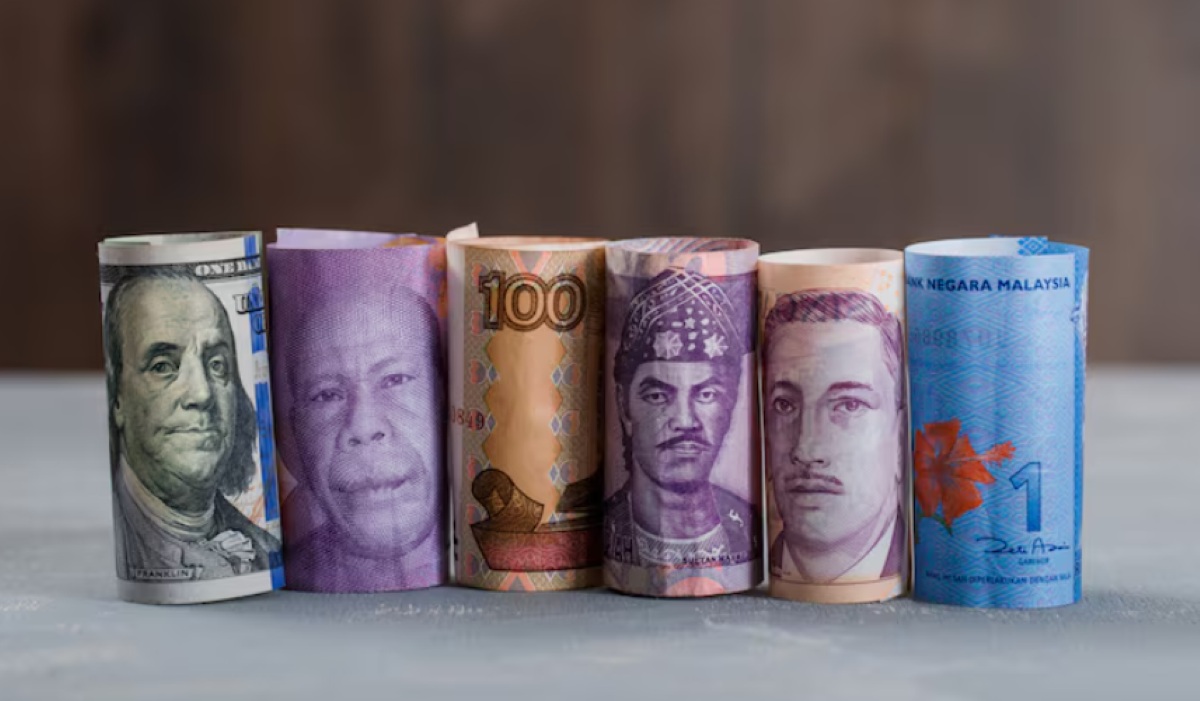
The Indonesian rupiah closed weaker against the US dollar on Thursday afternoon, 12 March 2026. Downward pressure on the currency coincided with a sharp rise in global crude oil prices resulting from escalating Middle East conflict that has disrupted global energy supply routes.
Market data showed the rupiah weakened 7 points, or 0.04 per cent, to 16,893 per US dollar compared to the previous close of 16,886 per dollar. Meanwhile, Bank Indonesia’s Jakarta Interbank Spot Dollar Rate (JISDOR) also recorded weakening to 16,899 per US dollar.
Money market analyst Ibrahim Assuaibi explained that the primary negative sentiment stemmed from reports of oil distribution disruptions in the Gulf region. Global oil prices were reported to have briefly surged above the US$100-per-barrel threshold following reports of attacks against international tanker vessels.
“Two international oil tankers have been reported struck near Iraq. Additionally, Oman has begun evacuating its main oil export terminal, whilst Iran appears to be blockading the Hormuz Strait, which supplies approximately one-fifth of global oil,” Assuaibi stated in his analysis from Jakarta.
Beyond geopolitical factors, market participants also monitored economic data releases from the United States. The February 2026 US Consumer Price Index rose 0.3 per cent month-on-month, up from 0.2 per cent in the preceding month.
Although the inflation figure aligned with market expectations, uncertainty remained elevated. Investors have now shifted focus entirely to the Personal Consumption Expenditures (PCE) inflation data scheduled for release on Friday, 13 March 2026.
“PCE data represents the Federal Reserve’s preferred inflation benchmark. This figure will be a determining factor in expectations surrounding future US interest rate policy,” Assuaibi added.
Ongoing military tensions between the United States-Israel alliance and Iran, despite claims of peace efforts from President Donald Trump, have prompted investors to shift towards safe-haven assets such as the US dollar. This trend is expected to continue exerting pressure on emerging market currencies, including the rupiah.
The government and Bank Indonesia are expected to continue monitoring this volatility, given that crude oil prices exceeding US$100 per barrel could create spillover effects on domestic energy subsidy burdens and national inflation stability throughout 2026.