
Rupiah Undervalued: Bank Indonesia's Seven Strategies to Strengthen the Rupiah
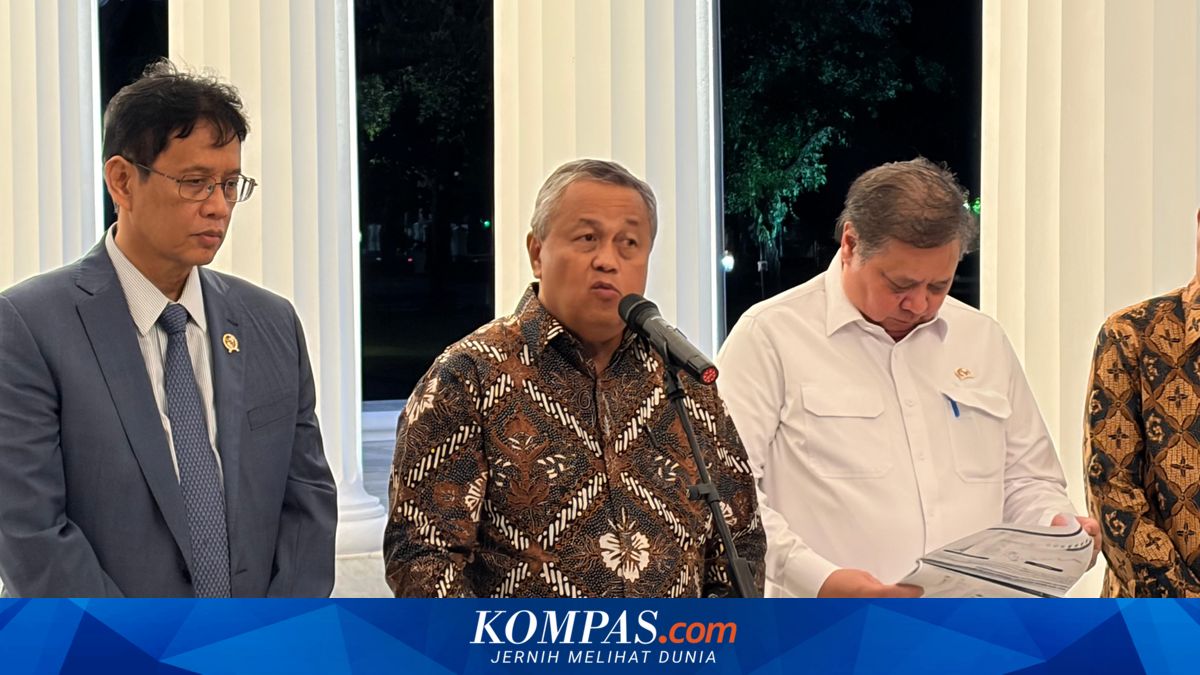
JAKARTA, KOMPAS.com - Bank Indonesia Governor Perry Warjiyo assesses that the current rupiah exchange rate is in an undervalued condition or below its fundamental level. This is reflected in several solid macroeconomic indicators, such as 5.61% economic growth in the first quarter of 2026 and annual inflation of 2.42%. “The current exchange rate is undervalued. It is undervalued, and going forward, we are confident it will stabilise and strengthen. Why undervalued? Our fundamentals are strong,” Perry said during a press conference of the Financial System Stability Committee (KSSK) at Merdeka Palace, Jakarta, on Tuesday (5/5/2026). For context, BI recorded that the rupiah exchange rate has weakened by 3.65% since the start of geopolitical tensions in the Middle East. To boost the rupiah exchange rate again, BI has prepared seven strategies to strengthen the rupiah. These effective measures have received approval from President Prabowo Subianto. “We reported to Mr President, and Mr President approved and then provided reinforcements for the seven important steps that BI is taking to make the rupiah strong and stable going forward,” he said. First, BI will continue to intervene in the foreign exchange market, both through spot transactions and Domestic Non-Deliverable Forward (DNDF) instruments domestically, as well as Non-Deliverable Forward (NDF) in offshore markets such as Hong Kong, Singapore, London, and New York. Second, BI will encourage increased foreign capital inflows by optimising Bank Indonesia Rupiah Securities (SRBI) instruments to offset outflows of foreign capital from Government Securities (SBN) and the stock market. “That is our coordination with the Minister of Finance to truly maintain the inflows from foreign portfolios, which year-to-date are still seeing inflows, and that strengthens the rupiah exchange rate,” Perry said. Third, BI will continue purchasing SBN in the secondary market as part of the synergy between fiscal and monetary policies. To date, BI’s SBN purchases have reached Rp123.1 trillion year-to-date. Fourth, BI, together with the government, will maintain adequate liquidity in banking and the money market. This is reflected in the double-digit growth of primary money, namely 14.1%.