
Rupiah to Fluctuate at Rp 16,880–Rp 17,100 per US Dollar Next Week
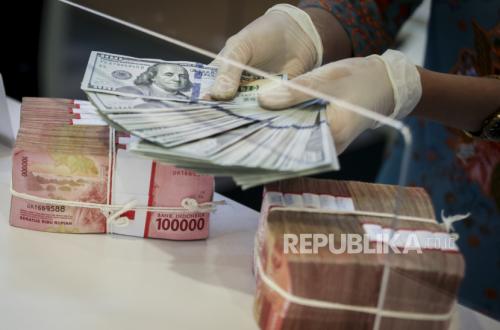
REPUBLIKA.CO.ID, JAKARTA – The movement of the rupiah exchange rate against the US dollar continues to be volatile, approaching the Rp 17,000 per US dollar level this week, amid rising global uncertainties due to the war in the Middle East. Currency and commodity analyst Ibrahim Assuaibi predicts that next week, the rupiah will trade in the range of Rp 16,880–Rp 17,100 per US dollar. “For trading on Monday next (31/3/2026), the rupiah currency will be volatile but close weaker in the range of Rp 16,980–Rp 17,030 per US dollar. The rupiah range over one week will be Rp 16,880–Rp 17,100 per US dollar,” said Ibrahim in his statement, quoted on Sunday (29/3/2026). It is known that at the close of trading on Friday (27/3/2026), the Garuda currency weakened significantly by 75 points to Rp 16,979 per US dollar, from the previous trading position of Rp 16,904 per US dollar. Ibrahim explained that there are several sentiments affecting the rupiah’s movement next week, both external and internal. The external sentiment weakening the rupiah is mainly related to uncertainties in the global situation due to the war between the US, Israel, and Iran. This is indicated by statements from US President Donald Trump that are often inconsistent. “US President Donald Trump said talks to end the war with Iran are going well and that he will stop attacks on the country’s energy facilities for 10 days. Although Trump announced a halt to attacks on Iran’s energy infrastructure, the US has also sent thousands of troops to the Middle East, with Trump considering whether to use ground forces to seize Iran’s strategic oil centre on Kharg Island,” he explained. Meanwhile, an Iranian official told Reuters that the US proposal, consisting of 15 points delivered to Tehran by Pakistan, is ‘one-sided and unfair’. The war has reduced global oil supplies by 11 million barrels per day, with the International Energy Agency describing the crisis as worse than the two oil shocks of the 1970s and the Russia-Ukraine gas war combined. “In addition, the market expects a high inflation scenario. At the beginning of the year, traders expected at least two interest rate cuts from the Federal Reserve (The Fed). However, since the conflict began and after The Fed’s policy decision on 18 March, they have reduced their dovish bets,” he continued. On the contrary, they expect a tightening of 12 basis points (bps) by the US central bank, according to Prime Market Terminal. Ibrahim noted that higher interest rates tend to burden gold by reducing its appeal as a non-yielding asset.